Rebuilding Jerusalems Walls Through Faith and Courage

Rebuild Walls Jerusalem
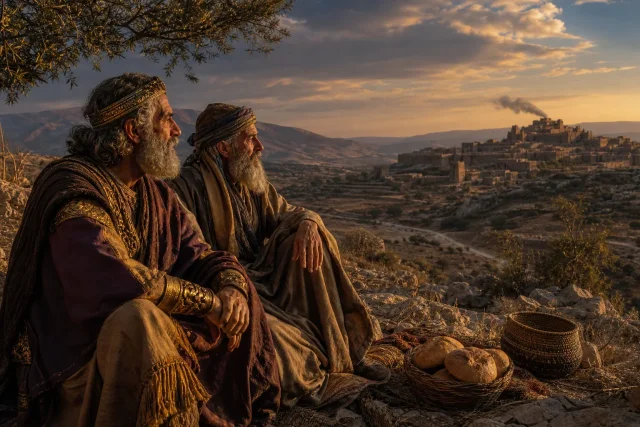
You cannot rebuild Jerusalem’s walls until you face what lies in ruins. That is where Nehemiah begins, and that is where you begin with Jesus. Picture yourself standing before a breached city at dusk, wind pushing dust through broken stones, gates blackened by old fire, silence hanging over a place once meant for singing. The death is real before any repair starts. A marriage can look functional on Instagram and still have holes in it wide enough for bitterness to march through. A bank account can hold just enough to survive while fear rules every purchase in the grocery aisle. A body can keep moving through work, traffic, and late-night scrolling while the soul sits exhausted on the curb.
When I was twenty, I nearly lost my faith in college. I had questions, pride, and a secret terror that if I looked too closely at the ruins, the whole structure would collapse. Then I stood at an archaeological dig years ago, brushing dirt from stones that had outlasted empires, and I felt this deep conviction that God does not panic at rubble. The stones cry out. History comes alive when we realize that ruined walls are not the end of the story, but they do demand honesty. Jesus never paints over collapse. He names it, enters it, and then raises what belongs to him.
Naming What Must Die
Nehemiah does not arrive in Jerusalem pretending everything is fine. He rides at night, looking carefully at shattered gates and torn defenses. You need that kind of honesty in your own life. Before walls rise, something has to die, and usually it is not vague negativity but a very specific way of living. The old identity that says you are only as valuable as your paycheck has to die. The habit of snapping at your kids after sitting in forty minutes of brake lights on I-95 has to die. The secret dependence on applause, the little performance you run in church, at work, and even in prayer, has to die.
Picture Nehemiah 2:17 in full force:
“Then said I unto them, Ye see the distress that we are in, how Jerusalem lieth waste, and the gates thereof are burned with fire: come, and let us build up the wall of Jerusalem, that we be no more a reproach.”He names the distress before he names the building. That order matters. Jesus does the same with you. He does not hand you spiritual paint and ask you to decorate your dysfunction. He calls the old self to the cross.
That death may involve false securities you have trusted for years. Maybe your wall is money, and every grocery trip becomes a panic calculation on your phone calculator app while cereal boxes and milk prices preach fear to you. Maybe your wall is control, and every family disagreement turns into a courtroom where you must win. Maybe your wall is image, and you refresh your social media feed more than you open Scripture because being seen feels safer than being known. These are not harmless habits. They are cracked fortifications that cannot protect you.
Jesus puts this with shocking clarity in Luke 9:23:
“And he said to them all, If any man will come after me, let him deny himself, and take up his cross daily, and follow me.”A cross is not a metaphor for mild inconvenience. It is death to self-rule. If you want to rebuild the walls of Jerusalem in your heart, your home, your neighborhood, then pride dies, pretense dies, and the fantasy that you can save yourself dies. Nehemiah grieves first, because real restoration begins with a funeral.
I think about students I teach who act untouchable in class, hood up, earbuds in, sarcasm ready, while inside they are carrying panic, loneliness, and father wounds. Adults do the same thing with better vocabulary and nicer shoes. You cannot rebuild with a mask on. The gospel meets you where the stones are broken, but it also demands that the counterfeit version of you stop running the city. That is the first mercy, and it cuts deep.
Then comes the dying
The Descent into Death
Once the death is named, the letting go begins, and it rarely feels dramatic in a movie-scene way. It often feels more like Gethsemane under fluorescent light. You are in your car after a cardiology appointment, hands tight on the steering wheel, hearing words about blood pressure, diet, stress, and family history, and suddenly the illusion of invincibility starts slipping away. Or you are standing in the kitchen at 11:14 p.m., dishwasher humming, spouse quiet, tension thick as wet concrete, and Jesus is asking you to surrender the need to be right. That is dying.
Nehemiah faces resistance outside the walls and inside the hearts of the people. Rebuilding always stirs opposition because broken systems prefer staying broken in familiar ways. Sanballat and Tobiah mock the work, and your own flesh does something similar. It whispers that confession is weakness, that repentance is embarrassing, that bitterness is justified, that you deserve to keep one hidden room untouched. Picture yourself walking through ancient Jerusalem with torchlight flickering against rough stone, hearing enemies laugh from the shadows. That is what dying to self feels like. You keep placing stones while voices tell you to stop.
Jesus enters this pattern long before you do. In Matthew 26:39, the text says,
“And he went a little farther, and fell on his face, and prayed, saying, O my Father, if it be possible, let this cup pass from me: nevertheless not as I will, but as thou wilt.”That prayer is not polished. It is sweat, surrender, and holy obedience under crushing pressure. You meet Jesus there when your ego starts coming apart. The death is not only about sinful behavior; it is about the self that wants the crown without the cross.
I remember my own version of that season in college. I had read enough skeptical arguments to feel clever and hollow at the same time. I wanted faith without submission, evidence without lordship. Then I started digging into the historical case for the resurrection, the witness of the Gospels, the stubborn solidity of places, names, and events. The archaeological evidence tells us these accounts are rooted in the real world of governors, roads, pools, ossuaries, and public memory. Yet the hardest part was not intellectual. The hardest part was admitting that if Jesus truly rose, then I could no longer remain in charge.
Dying also strips away old coping patterns. In traffic, you cannot baptize rage and call it personality. During financial stress, you cannot worship security and call it wisdom. In neighborhood conflict, when the guy across the street keeps blasting music past midnight and your chest tightens every time you pull into the driveway, Jesus may be killing your appetite for revenge. The old self resists because death feels unfair, exposing, and slow. Piece by piece, the Lord removes what cannot carry resurrection life.
Nehemiah’s builders work with tools in one hand and weapons in the other. That image hits hard because surrender is not passive. You pray, confess, apologize, delete numbers, set boundaries, cancel subscriptions, seek counsel, and tell the truth out loud. The death of pride can feel as sharp as surgery. The death of false peace can sound like a hard conversation at the dining room table while a half-folded load of laundry sits between you and your spouse. This is the descent. No shortcuts. No pretending. Just the mercy of God cutting away what would keep the city exposed.
In the darkness
Holy Saturday Waiting
After the dying comes that strange middle space where nothing seems finished and nothing seems alive yet. This is Holy Saturday territory. Jesus is in the tomb, the disciples are stunned, and heaven feels quiet. You know that place. You prayed, confessed, surrendered, and still the walls are not up. The marriage is less explosive but still tender. The bills are still stacked on the counter beside the Kroger receipt and the prescription copay. The test results have not come back. The neighborhood tension has cooled, but trust has not returned.
Nehemiah’s work did not rise in one breathless montage with triumphant music in the background. Stones had to be lifted, measured, fitted, and carried by tired bodies. Fun fact from ancient city construction: many wall stones were massive, irregular, and rough, which meant builders had to work patiently with what was already there, not with perfect pieces from a fantasy blueprint. That preaches. God often rebuilds your life with weathered material, redeemed memories, scarred relationships, and habits retrained over time. The waiting can feel like a dark museum gallery where you can make out shapes but not the whole exhibit.
Psalm 130:5 gives language for this season:
“I wait for the Lord, my soul doth wait, and in his word do I hope.”Waiting is not spiritual idling. It is hope under pressure. It is choosing not to run back to the old identity just because the empty space feels awkward. It is refusing to resurrect the very thing Jesus buried.
I think of the disciples on Saturday, moving through rooms with swollen eyes and stunned silence, hearing every footstep in the street, wondering if Rome or the temple guards would come next. That is not triumphalism. That is grief with no visible resolution. You may feel that when your phone stays silent after a difficult apology, when a child still seems distant, when your body still hurts, when your budget still does not stretch. You can obey in the dark without seeing the full shape of morning.
Isaiah 40:31 says,
“But they that wait upon the Lord shall renew their strength; they shall mount up with wings as eagles; they shall run, and not be weary; and they shall walk, and not faint.”Notice the order. Waiting comes before renewing. In my work with teenagers, I have watched kids want instant transformation the way TikTok delivers instant clips, but soul repair moves more like stonework than streaming. Slow does not mean absent. Silence does not mean abandonment.
The walls of Jerusalem are not rebuilt by panic. Your life in Christ is not rebuilt by frantic self-improvement. In the darkness, Jesus holds the blueprint and the tomb key at the same time. That middle day can feel endless, but it is still holy ground.
But Sunday is coming
The Unexpected Morning
Resurrection usually arrives with more surprise than spectacle. Easter morning begins in grief, spices in hand, footsteps heavy on a path still cool with dawn. Then the stone is moved. Not imagined, not wished away, but moved. That is how Jesus brings new life into your Jerusalem. Not always with fireworks, but often with a moment when you realize the thing that once mastered you does not own the gate anymore. You are in the same grocery store, under the same fluorescent lights, hearing the same total at checkout, and yet fear no longer dictates every breath. Something has shifted.
Nehemiah 6:15 records a public miracle of perseverance:
“So the wall was finished in the twenty and fifth day of the month Elul, in fifty and two days.”Fifty-two days. Real labor. Real opposition. Real completion. History comes alive when we realize that this is not a fable floating above ordinary life. It is a record of God strengthening tired people to do what seemed impossible. The same gospel power that raised Jesus from the dead works its way into your habits, your relationships, your grief, and your street address.
I have seen this in small, stubborn resurrections. A guy from our neighborhood ministry who used to explode at every slight starts pausing before he speaks. A single mom drowning in medical bills and overtime shifts begins praying in the parking lot before work, and peace starts guarding her mind even before the numbers change. A couple who spent months speaking through clenched teeth begins laughing again over takeout tacos at the kitchen counter. Not perfect. Not polished. But alive.
John 11:25 carries resurrection into the present tense:
“Jesus said unto her, I am the resurrection, and the life: he that believeth in me, though he were dead, yet shall he live.”Jesus does not merely hand out improvement plans. He is resurrection embodied. That means rebuilding Jerusalem’s walls through a personal relationship with Jesus is not mainly about grit. It is communion with the living Christ. You bring him your broken gates, and he brings his risen life.
Picture the first hints of morning over ancient stone, light catching edges that looked dead all night. That is often how recognition happens. You notice you no longer need the last word in an argument. You notice your first instinct in traffic is prayer instead of fury. You notice you can sit with a friend’s pain without making everything about yourself. Resurrection can be gradual in your awareness even when it is decisive in Christ’s power.
When I visited museum collections and held replicas of ancient tools, seals, and lamps, I was struck by how ordinary the objects were. Real people touched them, carried them, dropped them, depended on them. God’s redemptive work has always moved through ordinary human life. Sunday arrives in kitchens, hospital rooms, school hallways, city buses, and front porches. The risen Jesus meets you there, and the wall that looked impossible starts standing, stone by stone, under his pierced and living hands.
Learning to Live Again
Resurrection life is beautiful, but it is also something you have to practice. A rebuilt wall still needs watchfulness, maintenance, and people who remember why it was raised in the first place. Nehemiah does not finish the wall and then drift into carelessness. In the same way, when Jesus raises new life in you, he teaches you how to live differently on Monday morning, not only how to sing on Sunday. The old reflexes may still try to sneak back through the gates. That does not cancel resurrection. It means you are still being formed.
Romans 6:4 says,
“Therefore we are buried with him by baptism into death: that as Christ was raised up from the dead by the glory of the Father, even so we also should walk in newness of life.”Walk is the key word. This is daily life. You budget with trust instead of panic. You answer conflict with honesty instead of passive aggression. You schedule the doctor visit you kept avoiding. You put the phone down at dinner and look your family in the eye. Resurrection power gets practical fast.
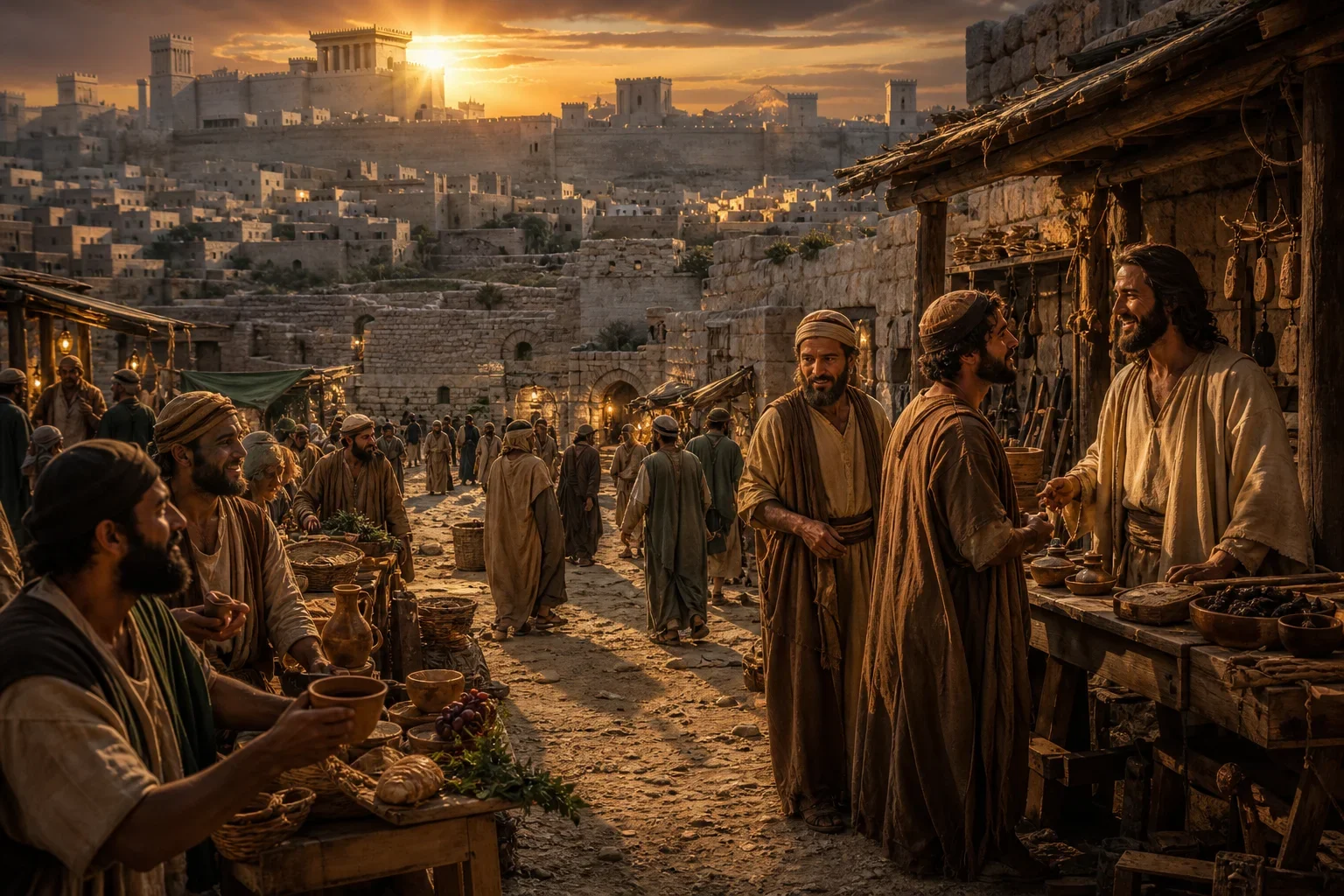
Picture yourself walking through ancient Jerusalem after the repairs, hearing merchants call out, children laugh, sandals slap stone streets, and gate hinges swing as they should. Walls are not built merely to admire them. They protect worship, community, justice, and daily flourishing. In your life with Jesus, rebuilt boundaries make room for deeper love. Saying no to destructive patterns means you can say yes to presence, generosity, confession, and courage.
I tell my students that history is not dead dates on a worksheet. It is people deciding what kind of world they will hand to the next generation. The same is true spiritually. Your resurrected life affects your block, your family, your workplace, and the kid watching how you handle stress. When a neighbor is unloading groceries and looks worn thin, resurrection life may look like carrying bags up the steps and staying long enough to listen. When traffic stalls and someone cuts you off, resurrection life may look like refusing to let rage disciple your heart. When health concerns linger, resurrection life may look like faithful prayer mixed with wise treatment and patient hope.
So here is the invitation. Let what must die, die. Bring the old identity, the false security, the proud mask, and the exhausted self to Jesus. He does not waste graves. He turns tombs into testimony and ruins into witness. I pray this over you now: Lord Jesus, tear down what cannot stand, bury what keeps your people bound, and raise in us the life of your kingdom. Rebuild the walls of Jerusalem in our hearts, our homes, and our neighborhoods, until your presence dwells there with joy.
Reflection Questions
Introspective: What parts of your story reflects the truth about Rebuild Walls Jerusalem, and what specific identity, habit, or false security must be carried to the cross?
Contemplative: Hold this paradox: Rebuild Walls Jerusalem through surrender to Jesus, not self-protection. Where do you feel the tension between dying and rising right now?
Action: What one concrete step will you take this week to rebuild with Christ at the center, whether that means making a phone call, confessing a sin, setting a boundary, or serving a neighbor on your street?
Continue Your Bible Study
Explore more lessons and deepen your understanding of scripture
View All Lessons Ask AI a Question