Lo Ammi and the Journey of God's Love and Redemption

Lo Ammi in the Bible
The Beautiful Contradiction
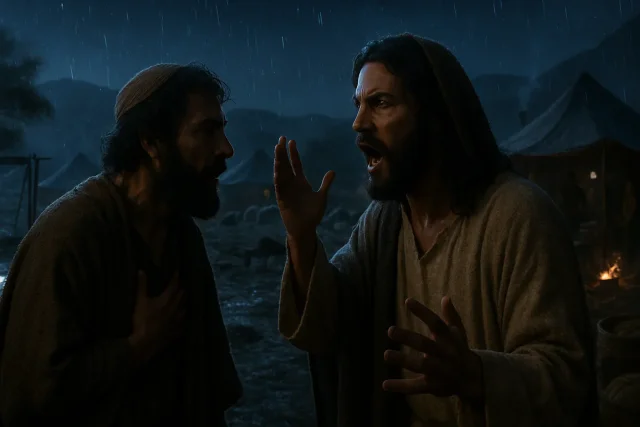
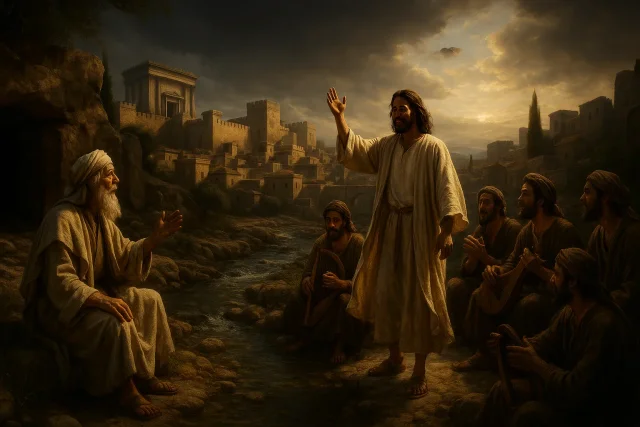
In the book of Hosea, we encounter the striking paradox of "Lo Ammi," meaning "Not My People" (Hosea 1:9). This declaration comes from God Himself, who has historically identified Israel as His chosen people. It is a contradiction that mirrors the paradox of the last being first and the weak being strong. How can a people so lovingly chosen be simultaneously disowned?
God's pronouncement through Hosea transcends mere rejection; it serves as a prophetic act that reveals the depths of Israel's unfaithfulness. In this paradox, we find a reflection of losing life to save it, where God separates to ultimately reconcile. The seemingly contradictory nature of God's declaration draws us into a tension between judgment and mercy, rejection and redemption.
Consider the patterns of biblical paradoxes we encounter: strength perfected in weakness, finding life through death, and the exaltation of the humble. In Lo Ammi, we see an enigmatic display of divine logic that challenges our understanding of covenant and identity.
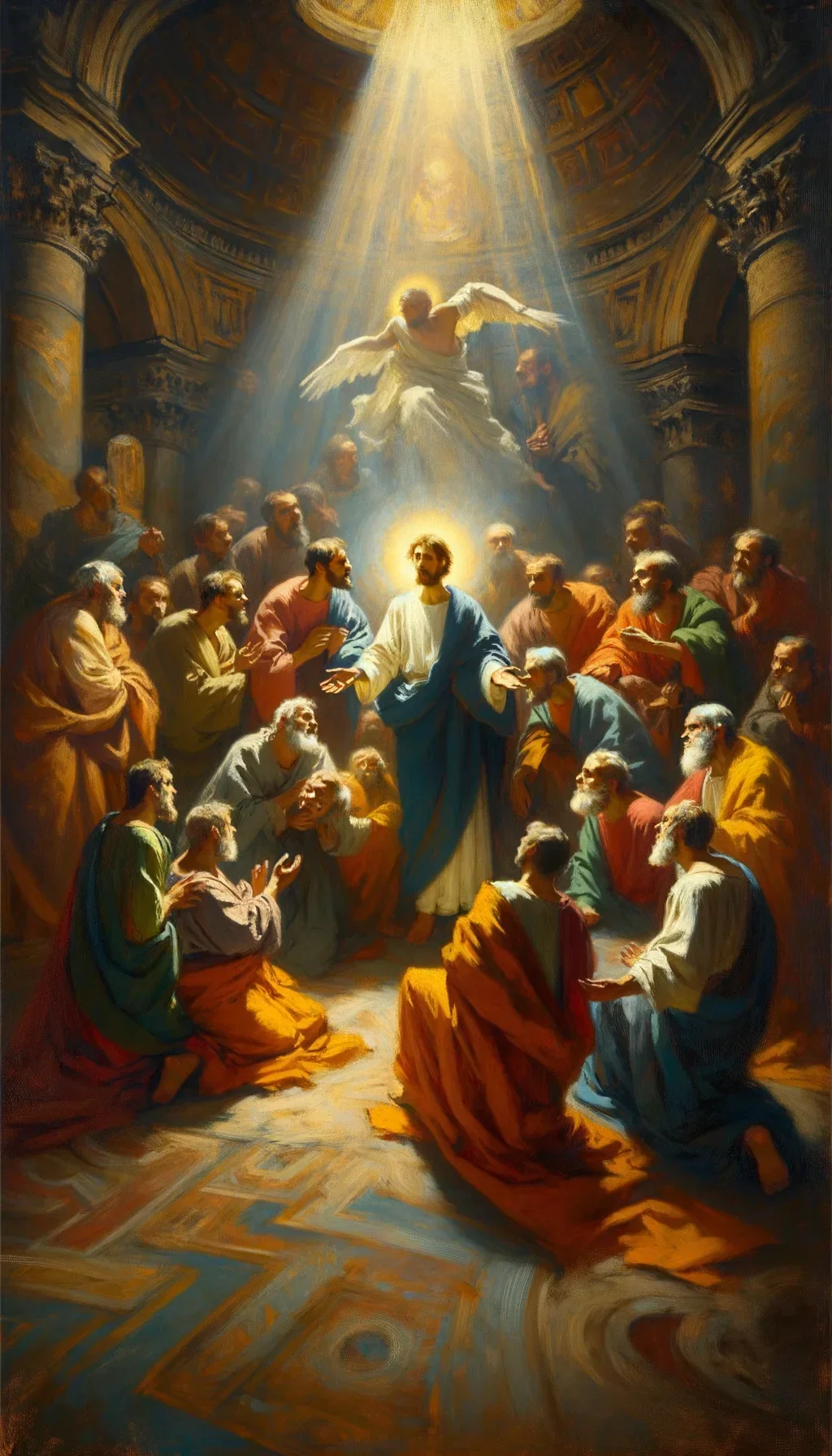
But here's where it gets interesting: just as the paradoxes of the last shall be first and the humble exalted force us to reevaluate our understanding of power and status, Lo Ammi calls us to reconsider our assumptions about belonging and God's faithfulness. The declaration "Not My People" is not an ending but a prelude to transformation, echoing the kingdom principle of dying to self to gain true life.
Our Struggle with Mystery
The human mind craves resolution. We are wired to seek clear answers and tidy conclusions, much like a programmer yearns to debug a line of code that refuses to compile. When faced with the stark paradox of Lo Ammi, our instinct is to resolve it, to make sense of God’s seemingly inconsistent character. How can the God of covenant fidelity declare His people as "not His"? This tension brings dissonance into our logical frameworks, leaving us grappling with uncertainty.
In our personal lives, we resist mystery in myriad ways. Take a moment to picture a typical grocery store trip: aisles filled with colorful packaging and organized shelves, everything in its proper place. Now imagine reaching for your brand of cereal, only to find it's been inexplicably moved to another aisle. The disarray disrupts the pattern, mirroring how we react to life's unexpected disruptions.
Our cultural inclination towards predictability and control often leaves little room for paradox. In an era where technology promises ever-greater clarity and precision, the ambiguity of Lo Ammi stands in stark contrast. It's akin to encountering a math problem where the numbers don't seem to add up, challenging our desire for coherent resolution.
Consider personal struggles with financial stress or relationship conflicts that defy simple solutions, reflecting the complexity of Lo Ammi. Just as we yearn for stability in our finances or harmony in our relationships, the Israelites must have longed for assurances of God's unchanging favor. The tension of "Not My People" echoes the anxiety we face when life's equations don't resolve neatly.
The plot thickens: As we confront the paradox of Lo Ammi, we realize that our struggle with mystery is not merely intellectual but deeply personal and existential. This invitation to embrace the tension challenges our assumptions about certainty and control, pushing us to inhabit a space where divine wisdom transcends human logic.
Living the Paradox
The Bible is replete with figures who embody the paradox of Lo Ammi in their lives. Hosea himself, called to marry Gomer, a woman of unfaithfulness, lives this tension daily. His marriage becomes a living metaphor for God's relationship with Israel—a covenant marked by both rejection and relentless pursuit.
In a modern context, consider the life of someone like a software engineer who, after years of stable employment, suddenly faces a layoff. The paradox of losing a job to find a renewed sense of purpose mirrors the tension of Lo Ammi. The engineer's journey through unemployment and subsequent reinvention unveils a deeper narrative of identity refashioned through trial.
Similarly, the Apostle Paul embodies paradox through his "thorn in the flesh" (2 Corinthians 12:7-10). Here, strength and weakness coexist, reflecting the tension of Lo Ammi. Paul's thorn, though a source of pain, becomes a conduit for grace, much like God's declaration through Hosea becomes a channel for eventual restoration.
Mary, the mother of Jesus, also navigates paradox as she embraces her role in the divine plan. Her submission to God's will, despite its potential for societal shame, mirrors the tension of belonging and rejection. She embodies the divine logic that upends human expectations, much like the Israelites' experience of being named "Not My People."
Now watch this: J
Continue Your Bible Study
Explore more lessons and deepen your understanding of scripture
View All Lessons Ask AI a Question