Remembering Heaven and Finding Hope in Faith

Remember Heaven
The Empty Chair
Picture this: a dimly lit room, a single chair at a table set for one. You sit there, staring at the flickering screen of your laptop, an empty plate in front of you. The dull hum of your gaming console fills the silence. You've conquered virtual worlds, but the real one feels strangely empty. The hunger you feel isn't for food. It's for connection.
This is the image many of us know too well. We've all been there, right? Surrounded by the glow of our devices, yet feeling alone. The ping of a notification, the like on a post—they're placeholders, a poor substitute for the real deal. There's a gaping hole where community should be. It's a hunger that no algorithm can satisfy.
In the whirlwind of Silicon Valley startup life, I've seen this hunger up close. You work late, eat takeout at your desk, and when the day finally ends, you find yourself with only the cold blue light of your smartphone for company. That longing you feel? It's spiritual hunger, a longing coded deep within us for something more.
But what if you could upgrade this isolation? What if there's a divine source code for connection that's been there all along, waiting to be downloaded? It's a promise of relationship and renewal—a promise tied up in the very essence of heaven. Time to debug this spiritual issue, starting with the table.
The Scandalous Dinner Guest
Pull up a chair: Jesus knew something about tables that we often miss. He's the guy who disrupted societal algorithms by eating with those who lived on life's periphery. Picture this: Jesus reclining at a table with tax collectors, sinners, and other "unsavory" characters. It was scandalous, and that's putting it mildly.
In the Gospel of Matthew, Jesus says, "I have not come to call the righteous, but sinners" (Matthew 9:13, NIV). It's like Jesus was saying, "Let's debug this social structure." His table ministry was a radical inclusion of the excluded, flipping the status quo on its head. He wasn't there to condone sin but to offer grace—a table full of second chances.
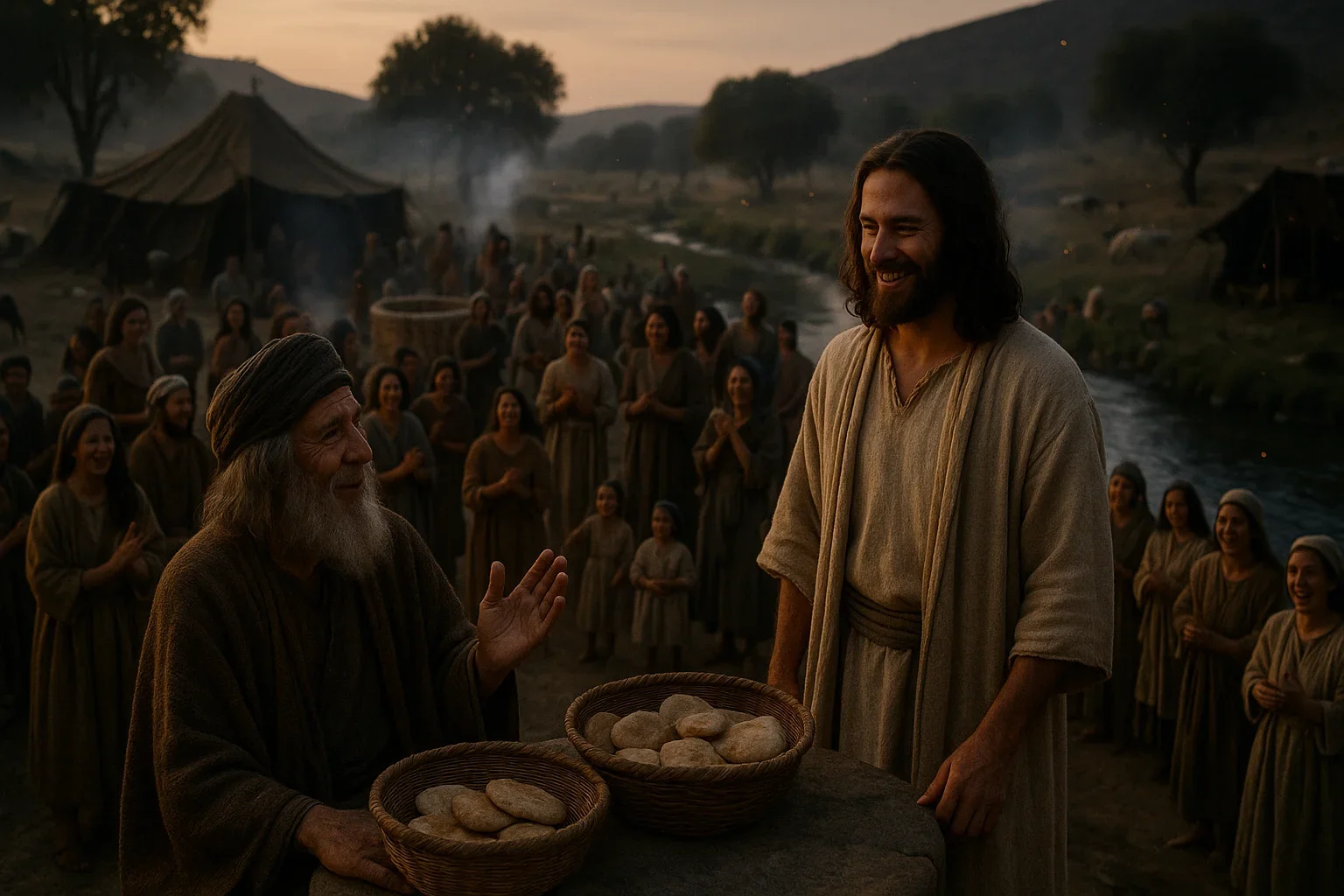
Think of it like this app: Jesus's table was an interface for grace. It wasn't about the meal itself, but the connection it fostered—the kind of connection that challenges the systems we've programmed into our lives. He fed multitudes, not just with bread and fish, but with hope and belonging.
The Last Supper wasn't just a meal; it was an event that transcended time. Jesus broke bread, saying, "This is my body given for you; do this in remembrance of me" (Luke 22:19, NIV). He offered a new covenant, a new way of being, one where the table becomes a symbol of His eternal presence—a foreshadowing of a greater feast to come.
Jesus's dining habits remind us: the table isn't just about eating. It's a space where heaven touches earth, where the isolated find community, and where the hungry are filled. It's about who gets to sit at the table—and spoiler alert—everyone's invited. Isn't that a divine plot twist?
Theology of the Table
Pass the bread: The table, in theological terms, is a sacred space—a sacrament where the physical and spiritual meet. Communion isn't just a ritual; it's a glimpse of heaven's algorithm for life. It takes the everyday act of eating and codes it with divine significance.
In the early church, the breaking of bread was central. Acts 2:46-47 describes the believers as breaking bread in their homes, eating together with glad and sincere hearts. It's not just sustenance; it's sacramental, a foretaste of the heavenly banquet where all are welcome.
The table represents the eschatological banquet—the ultimate feast in the kingdom of God. It's a recurring theme in Scripture. Isaiah 25:6 speaks of a feast prepared for all peoples, a banquet of aged wine and the finest meats. It's a promise of ultimate reconciliation and joy.
Think about the process of communion. The bread and the cup are tangible symbols, a divine source code reminding us of Jesus's sacrifice. Every time we partake, we remember heaven—a reality where division ceases, and unity prevails. It’s an invitation to download a new perspective, to live here and now with eternity in mind. It's heaven's interface on earth.
Setting the Table
The table is set: It's time to make this theology practical. How do we bring this eschatological dining into our daily lives? Radical hospitality is the key. It's about opening your home, your life, to others—just as Jesus did.
Imagine turning your weekly dinner into a microcosm of the heavenly feast. Invite neighbors, colleagues, even that person you always see at the coffee shop. It's not just about the food; it's about the connection. It’s like a church potluck, where everyone contributes, and everyone belongs.
Family meals are another powerful interface. In our fragmented world, gathering around the table can be a
Continue Your Bible Study
Explore more lessons and deepen your understanding of scripture
View All Lessons Ask AI a Question