Naboth's Vineyard and Lessons in Justice and Integrity

Naboth in the Bible
The Truth We Confess
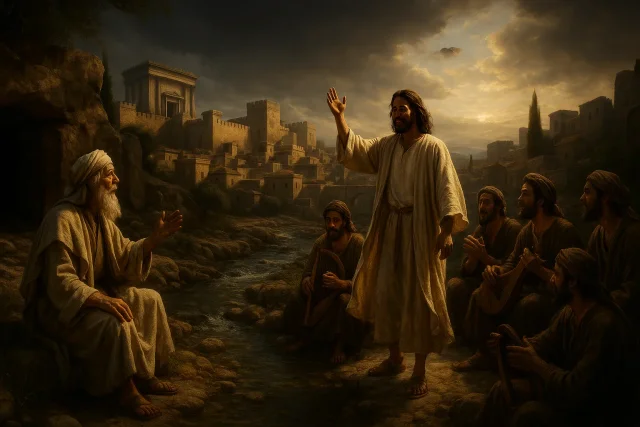
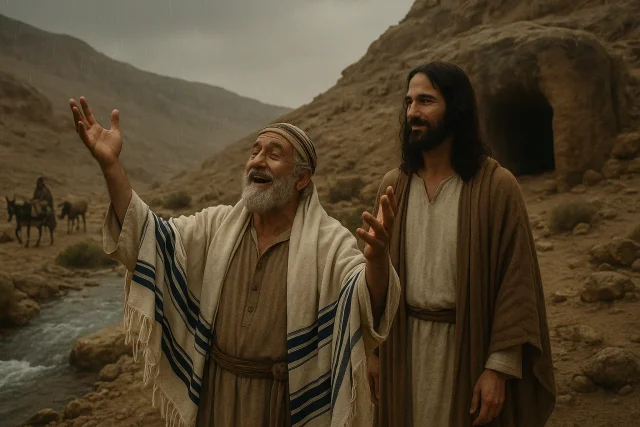
Here's a biblical principle that dives right into the heart of justice: the story of Naboth, a guy who refused to sell his vineyard to King Ahab because of the divine covenant attached to it. This isn't just a tale of stubbornness. It's rooted in the biblical concept of "nahalah"—a sacred heritage in Israel that goes beyond simple land ownership. Think of it like not just protecting your family's house but upholding something much bigger, maybe akin to safeguarding the source code of an innovative app central to human progress.
This narrative, found in 1 Kings 21, underscores the importance of faithfulness to God's commands over societal pressure. Naboth's vineyard wasn't merely a piece of real estate; it was a divine gift meant to be preserved as an ancestral inheritance, bound by Mosaic law. In Numbers 36:7-9, we see that land was integral to family identity and God’s promises.
In a world driven by market forces and the next big startup, Naboth's stand presents an intriguing clash between divine mandate and human ambition. It challenges us to question where our ultimate allegiance lies. Are we willing to stand firm against pressures to compromise key values, just like Naboth?
Remember, Ahab wasn't just another character. He was king, a symbol of authority and power. Yet, Naboth stood by his principles, akin to refusing a lucrative buyout offer of a groundbreaking tech project for the sake of integrity. This biblical episode invites us to consider what it means to stay faithful when faced with seductive alternatives.
Truth in Flesh and Blood
But bodies complicate things: Naboth's decision wasn’t made in an abstract realm. It was visceral and dangerous, potentially life-threatening. This wasn't just a philosophical stance—it was a decision deeply embedded in his daily physical reality, influencing his very safety and survival. Imagine you're in Silicon Valley, and a tech giant offers a fortune for the rights to your groundbreaking code. But selling means compromising on core values that the code was intended to uphold. Would you still stand firm?
For Naboth, his vineyard was like a personal body—an extension of his life, his family, his identity. It's like if I were to refuse compromising the integrity of a software project I built from scratch, knowing the implications could be severe. Each line of code represents countless hours and personal commitment. Likewise, Naboth’s vineyard was entwined with his very being, a testament to his faith and heritage.
Living out this theology means recognizing that decisions are not just theoretical. They affect our physical existence. It's about understanding that our bodies, like Naboth's vineyard, are places where God’s promises dwell. We face tangible challenges that force us to embody our beliefs physically, as James says in James 2:26: "For as the body without the spirit is dead, so faith without works is dead also."
Naboth’s choice is inspiring when we consider our own life situations. Whether it's in the office, with friends, or in the church, embodying our beliefs can be as challenging as sticking to our core code, even when easier paths present themselves.
Truth in Relationship
In real life: Naboth's story is a powerful reminder of the relational dynamics at play when standing for truth. His decision didn't occur in isolation; it affected his community and relationships. Think of a church team working on a community project where consensus demands compromise, yet one member stands firm on integrity over expedience.
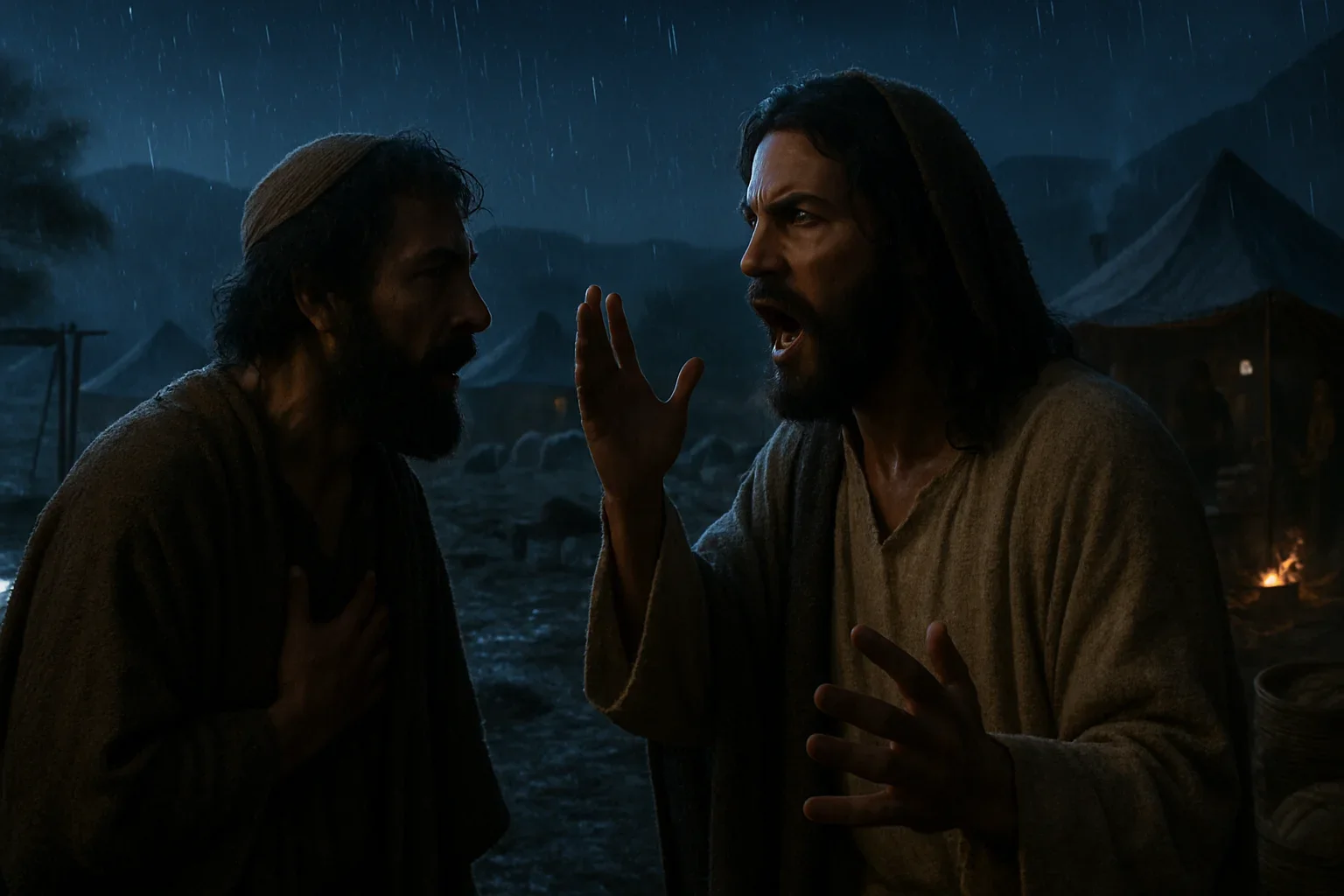
In 1 Kings 21:13, we witness how Naboth's community turns against him under Jezebel's influence. This betrayal highlights the reality that convictions can strain relationships, especially when others don't see the bigger picture or are swayed by power and persuasion. It’s like a developer standing against popular trends to uphold software ethics, leading to tension within the team.
God calls us into communities to uphold truth together. Relationships are meant to sharpen us, as Proverbs 27:17 says, "As iron sharpens iron, so one person sharpens another." His story challenges us to examine how our beliefs influence and are influenced by those around us, asking us to consider the relational cost of standing firm in our faith.
Are we prepared to face potential isolation or confrontation for the sake of truth? Naboth’s narrative pushes us to imagine how we might handle being in his position within our own communities, wrestling with the tension between faithfulness and familial or social expectations.
Truth at the Kitchen Sink
When rubber meets road: Naboth's faithfulness is not found in grand gestures but in mundane choices. It's the everyday decisions—those kitchen sink moments—that reveal our commitment. Whether it's maintaining ethical standards in coding practices or
Continue Your Bible Study
Explore more lessons and deepen your understanding of scripture
View All Lessons Ask AI a Question