Understanding Bible Suffering with Endurance and Faith

Where is God in the Darkness? The Sacredness of Suffering in the Bible
Naming What Must Die
Suffering often feels like a shadow, a specter that we struggle to shake off. Yet, to truly embrace the resurrection, we must first acknowledge what must die. The old identities and false securities we cling to when the darkness envelops us. Are we holding on to pride, thinking we can navigate the storm without help? Or perhaps it's the illusion of control, believing we can plan away the pain and uncertainty. These illusions must perish, for the kingdom demands more than comfort.
The false promise of invincibility needs to go. The idea that faith in Christ means a life free from struggle is a mirage. We must bring to the altar our misplaced notions that suffering is always a sign of divine disfavor. Even the mighty prophets of old faced trials. Elijah, a man of fire, knew despair as he hid in the wilderness, exhausted and at his end.
Another illusion to release is the belief that material wealth shields us from life's storms. The rich young ruler in the Gospel was called to abandon his treasures, to lean instead on divine providence. In our urban jungles, wealth is seen as the ultimate shield. But Jesus invites us to lay down these heavy burdens, these counterfeit comforts, and trust in something bigger, something eternal.
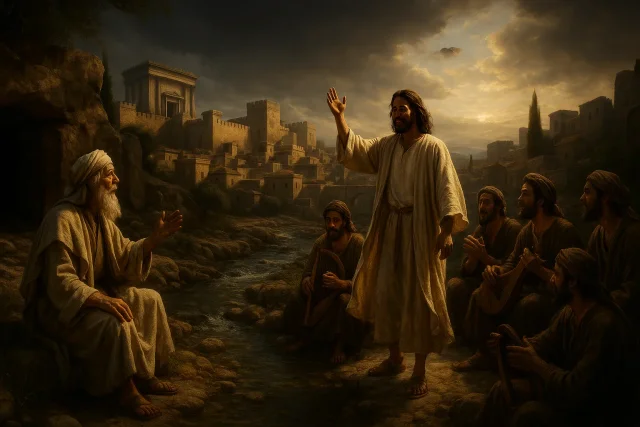
Moreover, the idea that suffering is merely personal must also die. It is not just your suffering or mine. It is a collective human experience, woven into the fabric of our shared existence. We must let go of the isolation, the belief that our pain is unique and misunderstood. This path of release is the beginning of understanding. The Spirit is indeed moving in the streets, calling us to a radical rethinking of suffering.
Then Comes the Dying
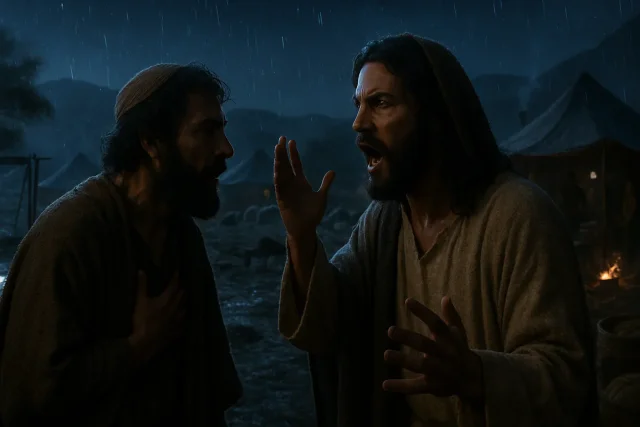
Letting go is a journey fraught with pain and resistance. It's a journey into Gethsemane, where we wrestle, sweat, and cry out for another way. We see this in the life of Christ. The descent into death is marked by vulnerability, as we strip away layers of ego and facade. Imagine the heavy silence in the garden, the weight of impending sacrifice. In suffering, we confront the Gethsemane moments where the will to surrender battles against the urge to retreat.
In these moments, the comforts of spiritual platitudes are stripped away, and we are left with raw faith. The process is akin to refining metal, with the intense heat of trials purifying our core. It is not easy. It is a painful crucible where old security blankets are torn asunder. We are forced to confront our own limitations, our utter dependence on the One who holds all things.
Resistance is natural. We resist because we fear the unknown that lies beyond the death of our illusions. We fear vulnerability, the exposure of our raw selves. It is a stripping down that leaves us exposed like Job, who in his anguish cried out, "Naked I came from my mother’s womb, and naked I shall return" (Job 1:21). Our cries echo his, as we struggle to understand the purpose of our pain.
This descent into death is not a single moment but a series of choices to relinquish control. It's the daily decision to trust, even when the evidence of hope seems scarce. Yet, God is calling His church to wake up, to recognize that comfortable Christianity is dead Christianity. To die to self is the beginning of transformation, the start of a revolution within. The Spirit waits for our surrender, ready to lead us through the valley.
In the Darkness
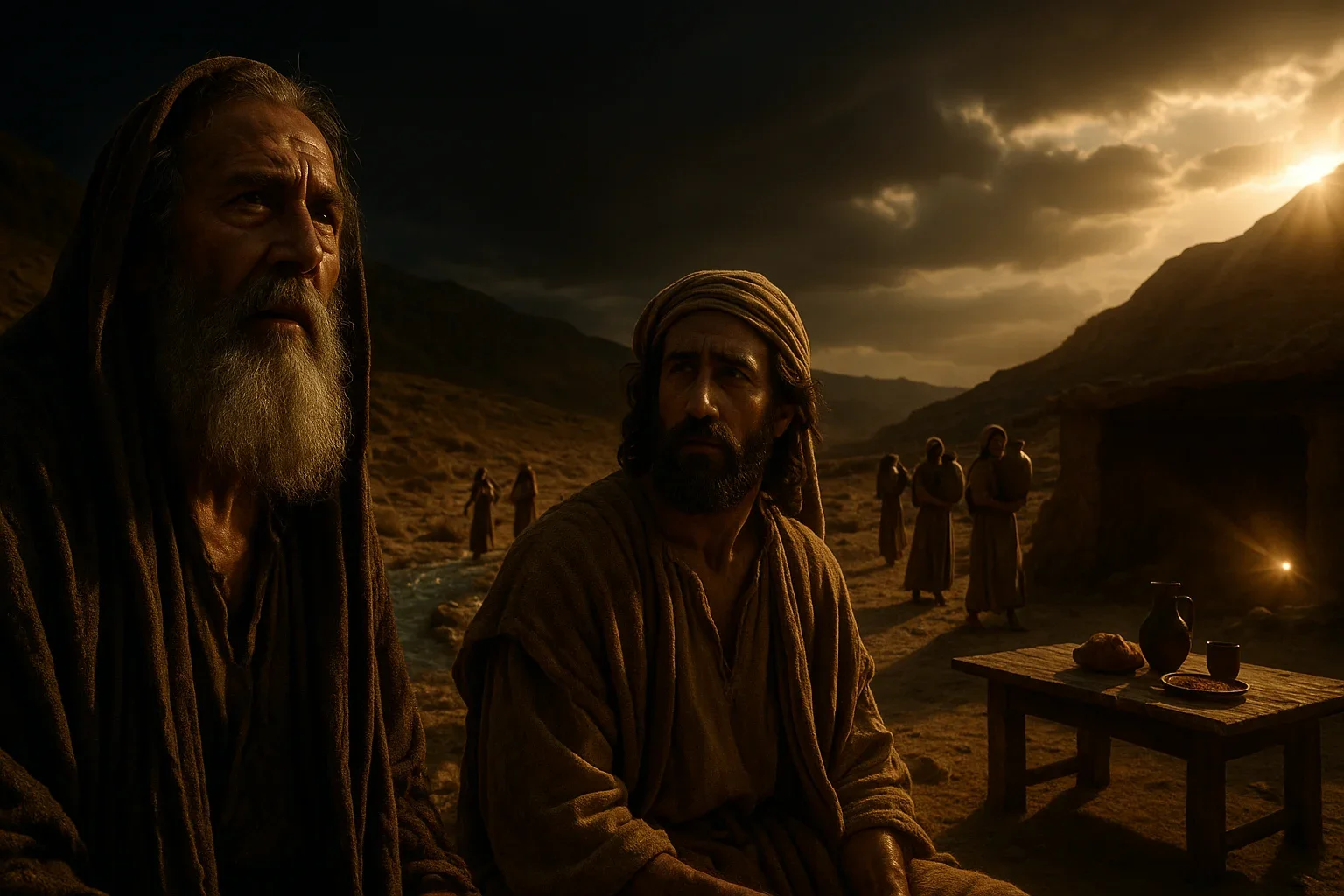
The Saturday of waiting is a peculiar space. It's the liminal zone, caught between the known and the unknown. The disciples felt this in the hours after Jesus’ crucifixion. They huddled in fear, cloaked in uncertainty. This is where we often find ourselves, in the ambiguity of suffering, feeling abandoned, adrift.
This waiting is not passive. It is a season of gestation, where beneath the surface, transformation brews. The Holy Saturday moments are where faith is tested in the quiet, away from the noise of certainty. It is the desert experience, much like Israel in the wilderness, learning to depend on manna, daily provisions from God.
In this space, we sit with our questions and our doubts. We grapple with the silence, the perceived absence of God. But it is here, in the dark womb of waiting, that new life is forming. It is a sacred pause, a holy hush that precedes the dawn. The Spirit is moving, working in the unseen, preparing us for what lies ahead.
The waiting is hard and uncomfortable, yet it is necessary. It refines our vision, clarifies our priorities. Like the seed buried in soil, unseen growth is occurring. We learn to hold the tension of faith and doubt, to trust in the midst of mystery. "Though it tarry, wait for it; because it will surely come, it will not tarry" (Habakkuk 2:3). This promise sustains us as we linger in the dark, waiting for the light t
Continue Your Bible Study
Explore more lessons and deepen your understanding of scripture
View All Lessons Ask AI a Question