Hope for Restoration in Christ and All Things

Restoration of All Things in the Hands of Jesus
Restoration begins with an honest word about death. Not the polished church-word version, not the inspirational poster version, but the kind that lands in your chest when the house is quiet and your phone screen finally goes dark. You feel it when the budget spreadsheet will not balance, when the text thread with your brother has gone cold for three months, when the doctor says “we need more tests,” and the room suddenly feels smaller. If you want to talk about the restoration of all things, you cannot start with flowers pushing through soil. You start with the burial ground.
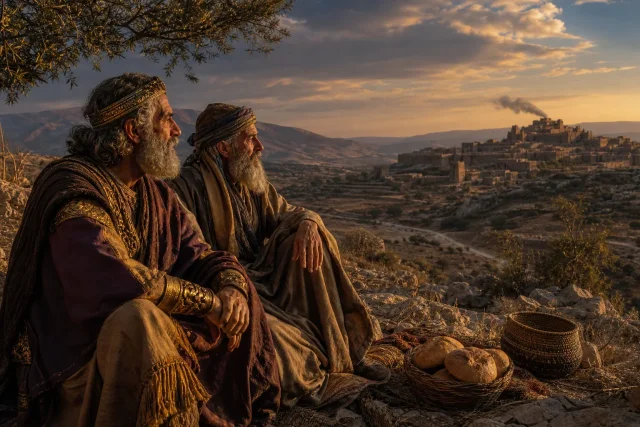
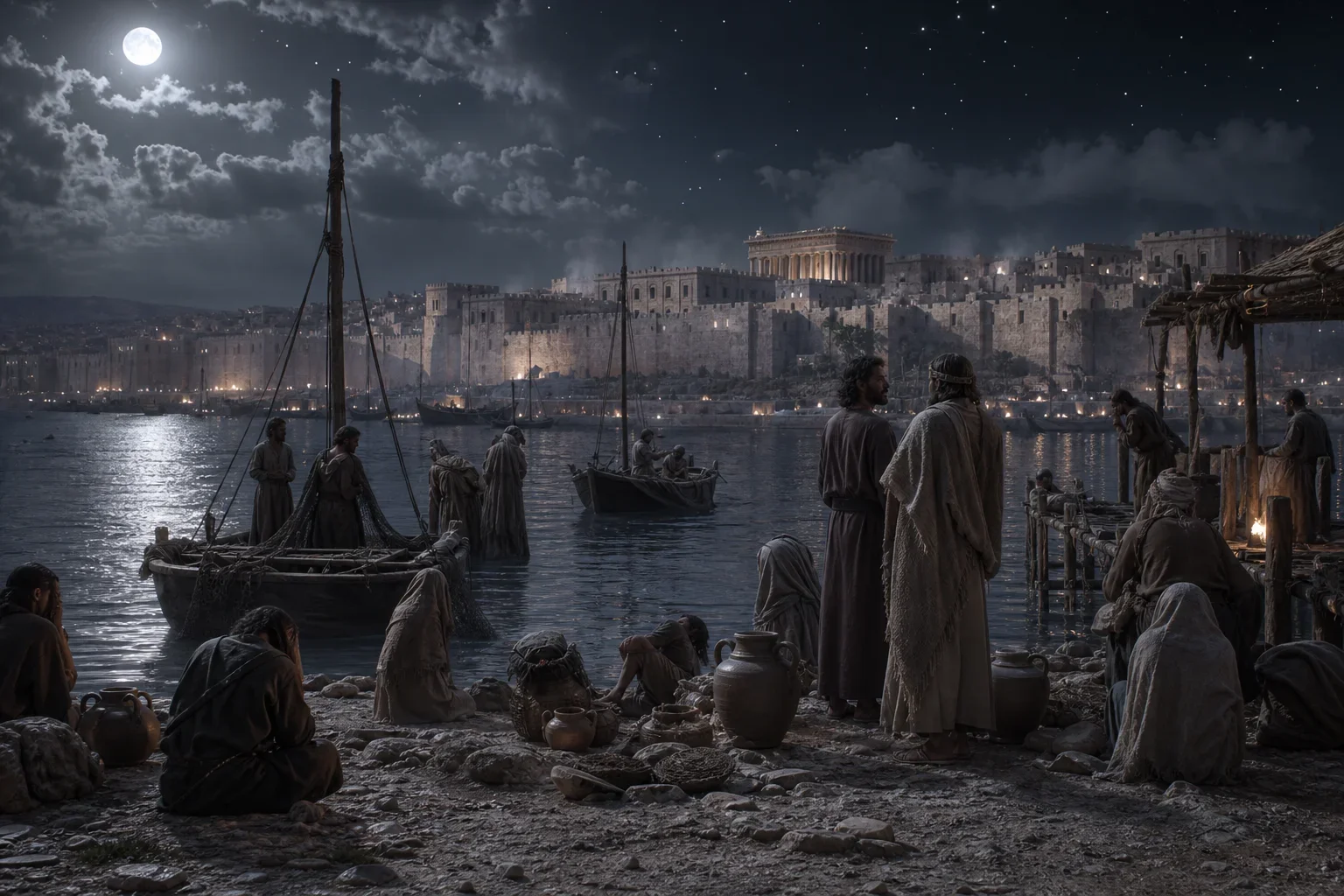
Picture yourself walking through ancient Jerusalem at dusk, the kind of evening where dust clings to your sandals and the city stones hold the heat of the day. The gospel never hides the grave before it speaks of glory. Jesus does not wave away death; he enters it. That matters because your restoration in Christ is not cosmetic repair. It is not paint over rot. It is the Son of God taking what is ruined, naming it truthfully, carrying it through judgment, and raising it into life that could not have been produced by human effort.
Acts 3:21 — “Whom the heaven must receive until the times of restitution of all things, which God hath spoken by the mouth of all his holy prophets since the world began.”
History comes alive when you realize Peter speaks those words in a real city, among real people with calloused hands, political fears, and memories of crucifixion still fresh. “Restitution of all things” is not vague religious mist. It is the great promise that what sin shattered, Jesus will set right. Yet the pattern remains the same in the biblical story and in your own life: death, waiting, rising, and then the hard holy work of living as someone raised.
Naming What Must Die
When Jesus restores all things, he does not begin by decorating the old ruin. He begins by bringing certain things to an end. That means some identities must die. The version of you built on applause has to go, the one checking Instagram between classes or meetings, measuring worth by views, promotions, or whether somebody leaves you on read. The false self that says, “I am what I earn, what I own, what people say about me, what my body can still do,” cannot survive the kingdom of Christ.
Some patterns must die too, and they are painfully concrete. The sharp tongue in the kitchen at 7:12 a.m. when everyone is late and the coffee tastes burnt. The low-grade rage in traffic on I-35, gripping the steering wheel while you mutter at strangers through the windshield. The secret spending that tries to soothe financial stress with late-night online orders, cardboard boxes stacking by the front door, each one promising relief and delivering another bill. Restoration does not arrive by excusing these habits. It arrives by crucifying them.
False securities also need burial. Picture the rich young ruler standing before Jesus with clean clothes, strong posture, and an anxious heart. He has money, status, and moral reputation, yet he walks away grieving because his treasure owns him. You can do the same with a retirement account, a degree on the wall, a relationship that has become an idol, or even ministry success. I know that temptation. In college, when my faith nearly collapsed, I kept trying to save myself by mastering arguments instead of surrendering to Christ. I wanted control more than truth.
Luke 9:23 — “And he said to them all, If any man will come after me, let him deny himself, and take up his cross daily, and follow me.”
The archaeological evidence tells us crosses were not religious jewelry in the first century. They were instruments of state terror, visible warnings posted by Rome. When Jesus speaks of a cross, nobody hears a metaphor softened by stained glass. They hear death to self-rule. The restoration of all things through personal relationship with Jesus begins right there: old pride dies, old greed dies, old bitterness dies, old fantasies of self-salvation die. The stones cry out that resurrection only comes after a real tomb has been filled.
Then comes the dying:
The Descent into Death
Dying to self is not poetic from the inside. It feels closer to Gethsemane than to a worship chorus. Picture the olive grove at night, damp air on your skin, the ground uneven beneath your feet, the silence broken by whispered fear and the distant movement of soldiers. Jesus falls to the earth and prays under the crushing weight of obedience. Restoration passes through surrender, and surrender feels like losing your grip on the thing that has carried your identity for years.
Luke 22:42 — “Saying, Father, if thou be willing, remove this cup from me: nevertheless not my will, but thine, be done.”
You know what this can look like in ordinary life. A husband chooses to confess the emotional affair hidden behind deleted messages and vague “work friendships,” and the truth detonates the room. A woman who has built her safety on money opens the banking app, sees the medical debt after another round of scans, and realizes control was always thinner than she imagined. A teenager deletes the burner account used for cruelty because Jesus will not let him keep both his image and his soul. None of that feels triumphant in the moment. It feels stripped down.
I remember a season in college when I sat in the back of a lecture hall after reading skeptical attacks on the resurrection. My faith felt as fragile as old papyrus. I had this inner movie running where if I asked the hardest questions, God might fail the test. Yet in that crisis, what began to die was not Christ’s credibility but my demand to stand over him as judge. Later, on an archaeological dig, brushing dirt from broken pottery under a white-hot sun, I felt the humility of history. Real places. Real layers. Real witnesses. My ego had to come down before trust could rise.
The descent into death includes resistance. You bargain. You delay. You call partial obedience wisdom. You keep one backup idol just in case Jesus does not come through on time. The disciples do this constantly. Peter reaches for a sword in the garden because violence feels more manageable than surrender. You do it in smaller modern ways. You rehearse the speech for an argument during your commute instead of choosing peace. You scroll Zillow at midnight imagining a house upgrade will heal the loneliness in your apartment. You keep performing competence while your soul is starving.
There is also bodily pain in this letting go. Shoulders tighten. Sleep gets thin. Meals taste flat. You sit in the grocery store parking lot under fluorescent light leaking across the windshield, hands on the steering wheel, asking Jesus whether obedience will cost too much. The answer of the gospel is not that death is painless. The answer is that Jesus went first. He does not command a road he refused to walk. He enters your Gethsemane and keeps you there until self-rule bleeds out and trust begins to breathe.
In the darkness:
Holy Saturday Waiting
Holy Saturday is one of the most human days in Scripture because it feels so much like the hours you cannot explain. Jesus is buried. The promises seem silent. The disciples are not singing resurrection songs; they are behind locked doors with swollen eyes and shattered expectations. Picture the room: stale air, rough wooden beams overhead, oil lamps burning low, nobody making strong eye contact. This is the in-between place where restoration has been promised but not yet seen.
You may be there right now. The marriage counseling sessions have started, but trust has not returned. The treatment plan is in motion, but the scan results are still pending. You apologized to your sister after years of pride, and she answered with one line—“I need time”—so now you wait with your stomach in knots. The restoration of all things includes these suspended hours. Jesus reigns there too, even when heaven feels quiet.
History comes alive when you realize Saturday faith is not fake faith. It is faith without visible resolution. In the ancient world, burial caves sealed grief with stone and finality. I have stood near first-century tombs and felt the heaviness of carved rock, the way death seems to speak in architecture. That is why the waiting matters. God is not rushed by your clock, your deadlines, your preferred pacing. He often does deep work in hidden places, where roots spread before green shoots appear.
Psalm 130:5 — “I wait for the Lord, my soul doth wait, and in his word do I hope.”
Holy Saturday can look ordinary from the outside. You still answer emails. You still stand in line at H-E-B holding eggs, bread, and a prescription refill while a toddler cries three carts over. You still sit in traffic with the same red brake lights blinking ahead of you. Yet inwardly, God is untangling old reflexes. He is teaching you to pray before speaking, to breathe before retaliating, to trust before seeing. That hidden work is part of restoration.
Do not rush this space. The church often wants Easter by breakfast, but the biblical rhythm includes a night watch. Israel had wilderness seasons. David had cave seasons. Paul had years no headline would have noticed. The dark night is not proof that Jesus abandoned you. It may be the very room where your old compulsions lose oxygen and your roots go deeper into his faithfulness. The stones cry out from every ancient graveyard that waiting is not wasted when Christ is at work beneath the surface.
But Sunday is coming:
The Unexpected Morning
Resurrection rarely arrives the way people script it. Easter morning begins in grief, with women carrying spices because they expect a corpse, not a coronation. Picture the scene in cinematic detail: dawn barely breaking, cool air brushing the skin, the garden damp, birds beginning their first thin notes, sandals pressing into dark soil. Their eyes are heavy from weeping. Their hands are occupied with burial tasks. Then the impossible interrupts the ordinary. The stone is moved.
John 20:1 — “The first day of the week cometh Mary Magdalene early, when it was yet dark, unto the sepulchre, and seeth the stone taken away from the sepulchre.”
Notice how recognition happens gradually. Mary thinks he is the gardener before she knows she is standing before the risen Lord. The disciples on the Emmaus road feel their hearts burning before their eyes fully catch up. Restoration can break in that way in your life. Not always as fireworks, but as a surprising steadiness where panic used to rule. You reach for your phone to spiral after a tense text, and instead you pray. You sit at the kitchen table with unpaid bills spread out, and fear no longer gets the final word. You still feel the weight, but it no longer owns the room.
I have seen this with students who looked spiritually checked out, hoodies up, AirPods in, posture saying “don’t ask me anything real.” Then months later, after conversations, tears, and Scripture, something shifts. They start telling the truth. They stop performing invincibility. They ask for prayer for a parent in rehab or a friend facing violence at home. It is not polished. It is resurrection in work boots. New life often enters quietly before it starts singing.
The restoration of all things through Jesus is personal and cosmic at once. Peter’s phrase in Acts reaches from your private wounds to the whole created order. The prophets saw deserts blooming, swords beaten down, exiles returning, justice standing upright in the streets. Jesus anchors all of that in himself. His resurrected body is the firstfruits of the world made new, the museum-quality preview of what God intends for everything sin vandalized. Picture a cracked artifact behind glass, painstakingly restored, not erased of its history but redeemed in meaning. Christ does that with lives.
And resurrection can catch you off guard in neighborhood-sized ways. The neighbor you avoided after the fence dispute waves you over and asks if you can help move groceries because her husband is in the hospital. The conversation you expected to be icy becomes tender. The chronic pain has not vanished, but bitterness loosens its grip. The marriage is not magically repaired, yet there is laughter at dinner again, awkward at first, then real. Sunday does not deny Friday. It answers it. The empty tomb is God’s declaration that death never gets the final sentence over those joined to Jesus.
Then comes the dying:
Learning to Live Again
Resurrection life is beautiful, but it is also strangely awkward at first. The disciples meet the risen Jesus and still carry habits formed by fear. Thomas hesitates. Peter goes back to fishing. They are alive to a new world, yet they must practice living in it. That is true for you. When Jesus restores, you do not instantly move without limp or memory. You begin to walk again with new power, and every step becomes an act of trust.
Practically, that means new habits take shape in ordinary places. You pray in the car before heading into the meeting where conflict waits. You make a budget not as an idol of control but as an act of stewardship under Christ’s lordship. You put the phone in another room at dinner so your kids or spouse get your face, not the top of your head. You apologize faster. You forgive slower than your emotions want, but faster than your pride once allowed. Resurrection gets worked into calendars, bank accounts, speech patterns, and friendships.
2 Corinthians 5:17 — “Therefore if any man be in Christ, he is a new creature: old things are passed away; behold, all things are become new.”
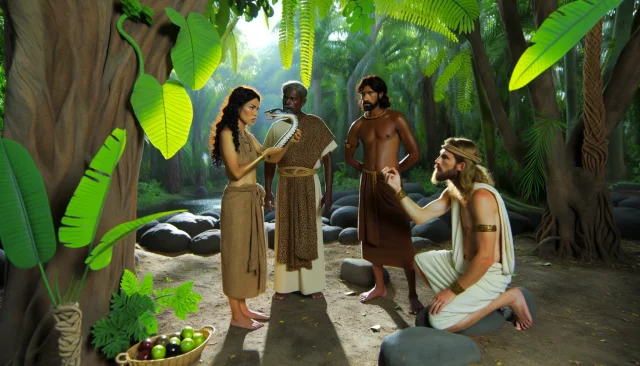
Notice that Paul does not speak of minor adjustment. He speaks of new creation. That ties your personal life to the giant biblical story arc from Eden to new creation. The gospel transforms your approach to restoration because you stop treating Jesus as a life coach and receive him as the crucified and risen King who is remaking the world. Your neighborhood interactions change because every person becomes someone Christ can restore. The cashier with tired eyes, the man revving his engine in road rage, the elderly woman carrying too many bags across the parking lot—these are not interruptions. They are places where resurrection can take on flesh.
Still, living again includes struggle. Old reflexes flare up under stress. Health concerns can make you fearful again. Financial pressure can tempt you back toward hoarding or despair. Relationship conflicts can wake the old courtroom in your mind where you build your case and demand victory. Yet the risen Jesus is patient with bruised saints. He cooks breakfast for tired disciples on a shoreline. Picture charcoal smoke rising in the morning air, waves licking the rocks, bread warming over the fire. That is restoration with scars still visible, mercy still active, and purpose still ahead.
So here is the invitation of resurrection: let what must die actually die. Hand Jesus the false self, the secret idol, the rehearsed bitterness, the polished mask. He does not bury you to erase you; he buries what is killing you so he can raise what he intended. Promise of life stands on an empty tomb, not on positive thinking. Risen Lord Jesus, bring your restoring power into every grave in us. Crucify what is false, sustain us in the waiting, and raise us into the life of your kingdom until the restoration of all things is seen in full. Amen.
Reflection Questions
Introspective: Where in your life reflects the truth about Restoration of All Things, and where are you still protecting something Jesus is calling to the grave?
Contemplative: Dwell on this image: the stone moved while it is still dark. Where do you sense Christ working before your eyes can fully recognize him?
Action: What one concrete act of resurrection obedience will you practice this week in a real setting—during grocery shopping, in a traffic jam, or in a strained neighborhood relationship?
Continue Your Bible Study
Explore more lessons and deepen your understanding of scripture
View All Lessons Ask AI a Question