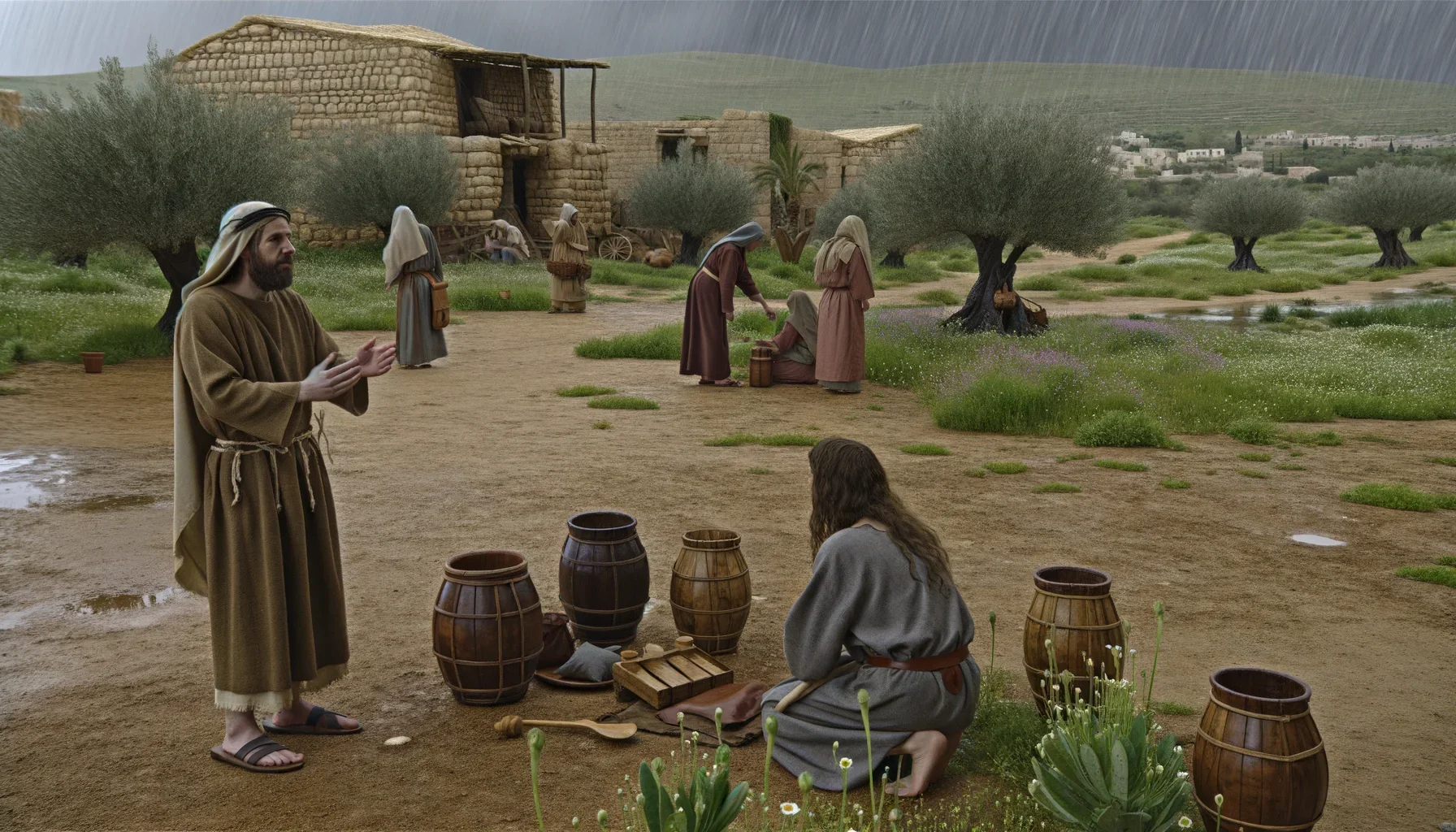
Embracing Christian Tolerance Through Love and Faith

The Truth We Confess
Oh, dear one, as we sit with the Word of God, we find that our calling to tolerance runs deep within the tapestry of Scripture. In my sixty years of walking with Jesus, I've come to see that tolerance is not mere acceptance of differences but an active embodiment of Jesus' love for all His creation. The Apostle Paul, in his letter to the Colossians, invites us to "bear with each other and forgive one another if any of you has a grievance against someone" (Colossians 3:13). This biblical principle paints a picture of a community woven together by threads of grace and understanding, reflecting the heart of God who is ever patient and tender with us.
The theological truth of tolerance is rooted in the understanding that we are all made in the image of God. Our differences, be they cultural, ethnic, or personal, reflect the manifold beauty of our Creator. The teachings of Jesus, particularly His call to love our neighbors as ourselves, are foundational to our confession of what it means to live as a people of tolerance. It is a spiritual posture that acknowledges our shared humanity and the precious value of every person in God's eyes.
Through every season, He remains a steadfast guide, gently whispering to our hearts that tolerance is a fruit of the Spirit, a reflection of His abiding love in us. As we ponder this truth, we realize that it calls us to move beyond mere intellectual assent to a vibrant, living expression of grace. It beckons us to embody the love of Christ in all our interactions, allowing His peace to rule in our hearts, as members of one body (Colossians 3:15).
Truth in Flesh and Blood
But bodies complicate things: as I reflect on my own life, I remember the times when practicing tolerance was not just a lofty ideal but a tangible, challenging act. As a young teacher facing a room full of rambunctious children, each with their own unique quirks and struggles, I learned that my patience and understanding could make a world of difference in their hearts. It was in those moments of classroom chaos that I saw the need for tolerance to be lived out in the very sinews of my being. Tolerance, dear one, is not passive; it often requires the bending of our will and the quieting of our own judgments.
In these flesh and blood moments, tolerance becomes an act of grace that acknowledges our shared journey as broken yet beloved children of God. It may be as simple as holding our tongue when we'd rather speak harshly or as profound as offering a gentle touch to a weary soul. Our bodies, with all their limitations and frailties, become the vessels through which divine love can flow.
I recall the tender touch of my late husband’s hand as he lay in his hospital bed, battling cancer. His gentle spirit taught me more about tolerance than any sermon could. As he faced his own mortality, his kindness toward every nurse and visitor was a testimony of what it means to embody grace under pressure. It was in those quiet hospital rooms that I truly understood the power of a life lived in tolerance—a life that sees beyond its own pain to the needs and gifts of others.
As beloved children of God, our very bodies can speak of His grace, bearing witness to His love in the most ordinary and extraordinary circumstances. Through the aches and pains of aging, I have learned to cherish the small acts of kindness my body can still offer. Each day becomes an opportunity to extend that precious gift of tolerance, trusting that the Lord will use our simple, embodied acts of love to bring His peace to a weary world.
Truth in Relationship
In real life: as we navigate the complexities of our relationships, the truth of tolerance is tested and tried. Oh, how often we find ourselves in the thick of family dynamics, where personalities clash and misunderstandings abound. In my family, with four children and now seven grandchildren, I've witnessed the beauty and the challenge of tolerance played out around the dinner table. It's in the moments of lively discussion and differing opinions that we learn to extend grace to one another, even when our hearts may feel stretched thin.
Our church communities, too, are places where this truth finds fertile ground. In the prayer ministry I lead, we gather as a diverse body of believers, each bringing our own stories and wounds. Here, tolerance becomes a practice of listening with open hearts, of valuing each voice as we lift our prayers to heaven. It is the gentle art of creating a space where all can feel seen and heard, where the love of Christ is the common thread that binds us together.
In relationships, tolerance calls us to see o
Continue Your Bible Study
Explore more lessons and deepen your understanding of scripture
View All Lessons Ask AI a Question