Healing and Renewal Through Sabbath Miracles and Metaphors

Healing on the Sabbath: Embracing Rest and Restoration
The Crossroads Moment
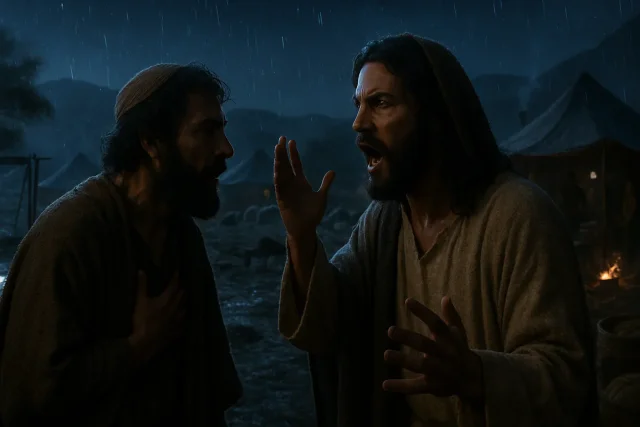
Picture yourself walking through ancient Jerusalem, the dusty streets bustling with life, as a rigid adherence to the Sabbath laws looms over the community. On this particular day, Jesus enters a synagogue, and amid the murmurs of devotion, there lies a woman, bent over and unable to straighten up for eighteen long years. Imagine the weight of her suffering, the societal norms that dictated her existence, and the profound longing for relief.
Now, juxtapose this scene with a contemporary dilemma: You're a tech-savvy professional caught between two worlds—the need to deliver on demanding work schedules and the desire to honor a day of rest in a culture that rarely stops. The pressure of looming deadlines, the incessant buzz of notifications, and the unending cycle of tasks create a complex web of choices. You find yourself at a crossroads, yearning to balance productivity with the restorative power of rest.
The ancient challenge of observing the Sabbath collides with modern-day realities in ways that force us to reconsider what it truly means to "heal on the Sabbath." Is it about strict adherence to rules, or is there a deeper wisdom calling us to embrace restoration, both spiritually and physically? This multifaceted dilemma requires a discerning eye, as we navigate the complexities of our commitments, beliefs, and the needs of those around us.
Voices from the Cloud
Another voice speaks: in the book of Proverbs, wisdom is personified, reaching out to us with practical insights. "A cheerful heart is good medicine, but a crushed spirit dries up the bones" (Proverbs 17:22 NIV). The sage offers a perspective that transcends time—the acknowledgment that true healing involves both the physical and the emotional. In these words, we find an invitation to consider how our spirits can influence our well-being, particularly on a day meant for rejuvenation.
Consider also: James, the brother of Jesus, writes about the interplay of faith and action. "Is anyone among you sick? Let them call the elders of the church to pray over them and anoint them with oil in the name of the Lord" (James 5:14 NIV). James emphasizes the community aspect of healing, urging us to seek support and prayer, recognizing that restoration is not solely an individual pursuit. His perspective challenges us to view the Sabbath as an opportunity for communal care and healing.
From a different angle: Jesus Himself offers a radical redefinition of the Sabbath. In Luke 13:10-17, He heals the bent woman, declaring, "woman, you are set free from your infirmity" (Luke 13:12 NIV). This act of compassion confronts the restrictive interpretations of the law and highlights the essence of the Sabbath—a time for liberation and healing. Jesus' actions remind us that the Sabbath is not a burden to be carried but a gift to be embraced, a moment where divine intervention meets human need.
And finally, the Apostle Paul addresses the tension between freedom and obligation. In his letter to the Galatians, he writes, "It is for freedom that Christ has set us free" (Galatians 5:1 NIV). Paul's counsel invites us to consider how the Sabbath can be a reflection of the freedom we have in Christ, not bound by legalism but lived out in love and grace. Through these varied perspectives, we begin to see the Sabbath as a mosaic of wisdom, each piece contributing to a fuller understanding of rest and healing.
Wisdom Across Cultures
In the early church, figures like Augustine wrestled with the intricacies of faith and practice. Augustine, in his reflections, emphasized the rest found in God as central to the believer's life. For him, the Sabbath was more than a day; it was an orientation towards eternity, a glimpse of heavenly rest that informed earthly living. His insights invite us to broaden our understanding of the Sabbath, seeing it as part of a larger narrative of rest and redemption.
Consider also the wisdom from the global Church. In parts of Africa, where community life is vibrant and interdependence is crucial, the Sabbath is often celebrated as a communal event. This cultural perspective emphasizes shared healing and joy, reminding us that our rest is interlinked with the well-being of those around us. In these communities, the Sabbath becomes a tapestry of celebration, where rest is not just individual but collectively experienced.
From a different angle, the monastic traditions offer a disciplined approach to rest and work. The Rule of St. Benedict, for example, integrates periods of labor and prayer, encouraging a balanced rhythm of life. This approach highlights the importance of intentionality in our Sabbath observance, teaching us that rest and work can coexist in harmony when approached with purpose and devotion.
Through these historical and cultural lenses, we are rem
Continue Your Bible Study
Explore more lessons and deepen your understanding of scripture
View All Lessons Ask AI a Question