Elijah's Challenge to Baal and Modern Idolatry Unveiled

Elijah and the Prophets of Baal - A Tale of Fiery Faith and Deceptive Idols
The Way of the World
In the web of our digital age, we find ourselves tangled in the threads of invisible idols. Our modern world is driven by algorithms, the silent puppeteers of our attention, manipulating our desires and dictating our worth. We measure success with the yardstick of likes and shares, constantly seeking validation in the endless scroll of social media. It's a pattern that echoes the ancient world, where the people of Israel found themselves ensnared in the worship of Baal, a false god promising rain and prosperity.
Today, our altars are made of screens that flicker with notifications, demanding our devotion. We sacrifice our peace and presence for the illusion of connection, whispering prayers for approval from a digital deity. The power dynamics remain: we are tempted to trust in what we can control, to build altars to the gods of productivity and image, just as Israel faltered to worship Baal in times of drought and despair. It becomes easy to forget that true worth and provision come from the One who knows us deeply and holds us tenderly.
These worldly patterns are alluring, promising immediate gratification yet leaving us empty. In the cacophony of notifications, we desperately seek the presence of something greater. The world measures our value by our output and appearance, much like the prophets of Baal who danced frantically around their altar, hoping for fire from the heavens (1 Kings 18:26). But amidst this noise, where is the still, small voice that speaks truth into our souls?
The Divine Disruption
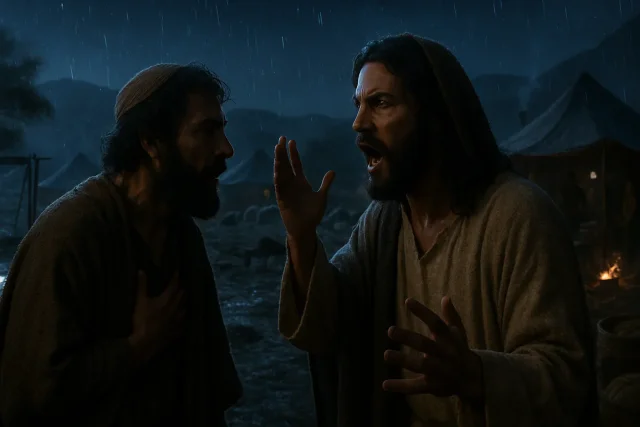
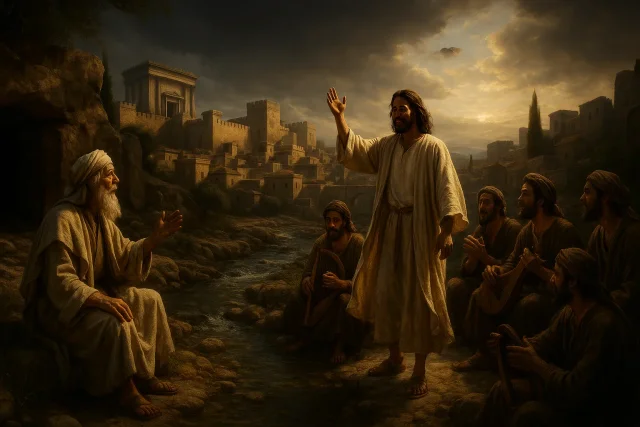
But the kingdom! When God steps into our chaos, everything changes. In 1 Kings 18, we witness a showdown between the prophet Elijah and the prophets of Baal. It's not just a contest of gods but a divine disruption of worldly values. Elijah, standing alone against the multitude, challenges the people: "How long will you go limping between two different opinions?" (1 Kings 18:21 ESV). This question cuts through the noise, piercing the heart of their indecision.
As the prophets of Baal called out to their god from morning till noon, Elijah waited. They danced, shouted, and even cut themselves, but silence was their only answer (1 Kings 18:29). The contrast could not be starker when Elijah stepped forward to repair the Lord's altar, an act of restoration in itself. He called upon the God of his ancestors, and in a moment of raw faith, prayed, "Let it be known this day that you are God in Israel" (1 Kings 18:36 ESV).
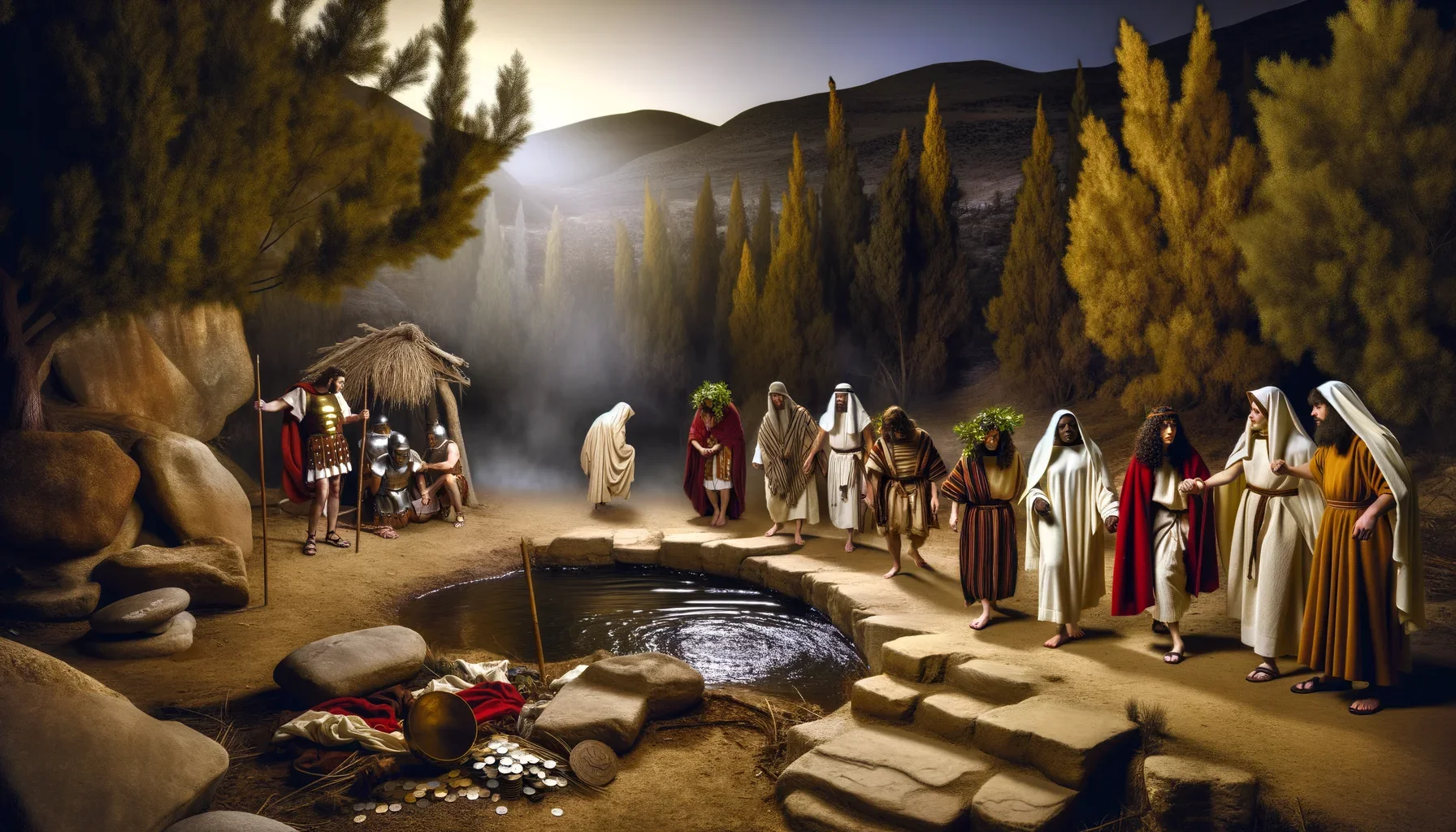
And then, the divine disruption—a fire from heaven that consumed the offering, the wood, the stones, and even the water in the trench (1 Kings 18:38). It's a scene that defies worldly power and logic. It reminds us that God's presence alone can bring the fire that transforms, heals, and restores. The people fell on their faces, declaring, "The Lord, he is God; the Lord, he is God" (1 Kings 18:39 ESV). In the sacred space of suffering, God met them in their breaking, revealing His power and love.
This is the beauty of the kingdom. It's the gentle breath that whispers in our 3 AM darkness, cutting through the idols of our making. It's the comfort that holds us when the world’s promises fall short. The kingdom calls us to lay down our altars of self-sufficiency and recognize the holy presence that sustains us.
The Beautiful Scandal
Everything changes when we embrace the beautiful scandal of the gospel—a truth that seems foolish and weak in the eyes of the world. The kingdom of God is scandalous because it invites us to let go of control and trust in a God who works through weakness, who finds victory in surrender. Elijah's confrontation with the prophets of Baal is a testament to this upside-down reality.
To the world, Elijah's actions might seem reckless. A solitary man challenging an entire system of belief, a prophet pouring water onto the altar in a time of drought—such acts defy logic and practicality. But herein lies the heart of the gospel: the foolishness of God is wiser than human wisdom, and the weakness of God is stronger than human strength (1 Corinthians 1:25).
Our culture celebrates power, control, and certainty. Yet, the kingdom invites us into a dance of trust, where losing is winning, and the last shall be first. It calls us to live vulnerably, to be open to the mystery of God’s ways that often defy our expectations. The fire on Mount Carmel was not merely a display of power but a revelation of God's profound love and patience—a reminder that He remains faithful even when we waver between idols.
This scandalous grace invites us to stop striving, to breathe, and to rest in the presence of the One who knows our struggle. It challenges us to see our brokenness not as a barrier but as a gateway to deeper communion with God. In the surrendering of our false securities, we find a free
Continue Your Bible Study
Explore more lessons and deepen your understanding of scripture
View All Lessons Ask AI a Question