Insights on Leadership from Biblical Judges Deborah Gideon Samuel

Leadership Lessons from Biblical Judges
The Crossroads Moment
The streets are bustling. Horns blare. Pedestrians cross with urgency, each one facing their own dilemmas. A young woman ponders whether to leave her corporate job to serve the community. A man wrestles with standing up against systemic injustice despite the personal cost. Decisions lurk around every corner, each one demanding courage and wisdom. These crossroads moments are all around us, and the stakes are high.
Leadership isn't just about applause and grand gestures. It's about confronting the messy, complicated reality of life. We see this complexity mirrored in the biblical narratives of the judges. Deborah, Gideon, and Samuel faced crossroads that defined not only their lives but the lives of entire nations. They had to navigate power, fear, and obedience. Their stories offer layers of wisdom, but they weren't simple or straightforward.
Deborah led Israel into battle while sitting under a palm tree providing counsel and judgment. She exemplified courage and strategic insight in a male-dominated world. Gideon, hesitant and doubtful, was called to save Israel from oppression. His story shows how faith can transform fear into action. Samuel transitioned Israel from a theocracy of judges to a monarchy, balancing the people's desires with God's command. Each judge navigated a complex web of challenges, embodying leadership that was as much about deep spiritual insight as it was about practical decision-making.
These ancient leaders faced dilemmas that resonate with us today. How do you lead when the odds are stacked against you? What do you do when fear whispers louder than faith? How do you remain faithful to your values while navigating change? These are not questions easily answered, yet the judges provide a mosaic of wisdom that can guide us in our own crossroads.
Voices from the Cloud
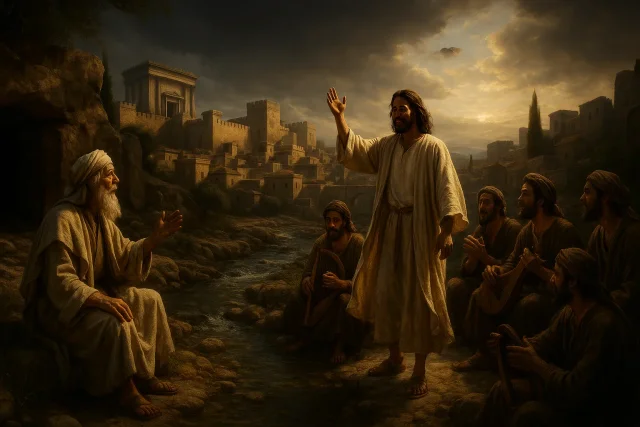
Another voice speaks: Deborah's story in Judges 4-5 resounds with boldness and faith. She was not just a judge but a prophetess, a leader who heard God's voice and rallied people to action. Her leadership was steeped in courage and justice. As she said to Barak, "Has not the Lord gone ahead of you?" (Judges 4:14, NIV). Deborah reminds us that true leadership is prophetic; it listens deeply to the divine call and acts with unwavering commitment.
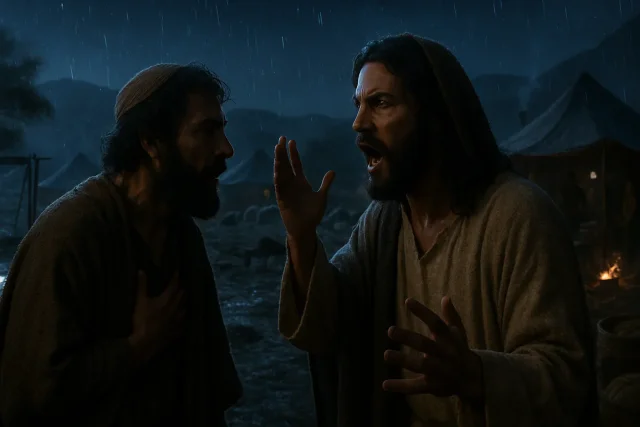
Consider also: Gideon, whose story unfolds in Judges 6-8, exemplifies leadership wrapped in humility and dependence on God. He was called from the least of his family, yet God saw his potential. Despite his initial fear, Gideon's faith grew, conquering doubts and enemies. His story reveals that leadership often requires stepping into shoes that feel too big, trusting that God equips whom He calls.
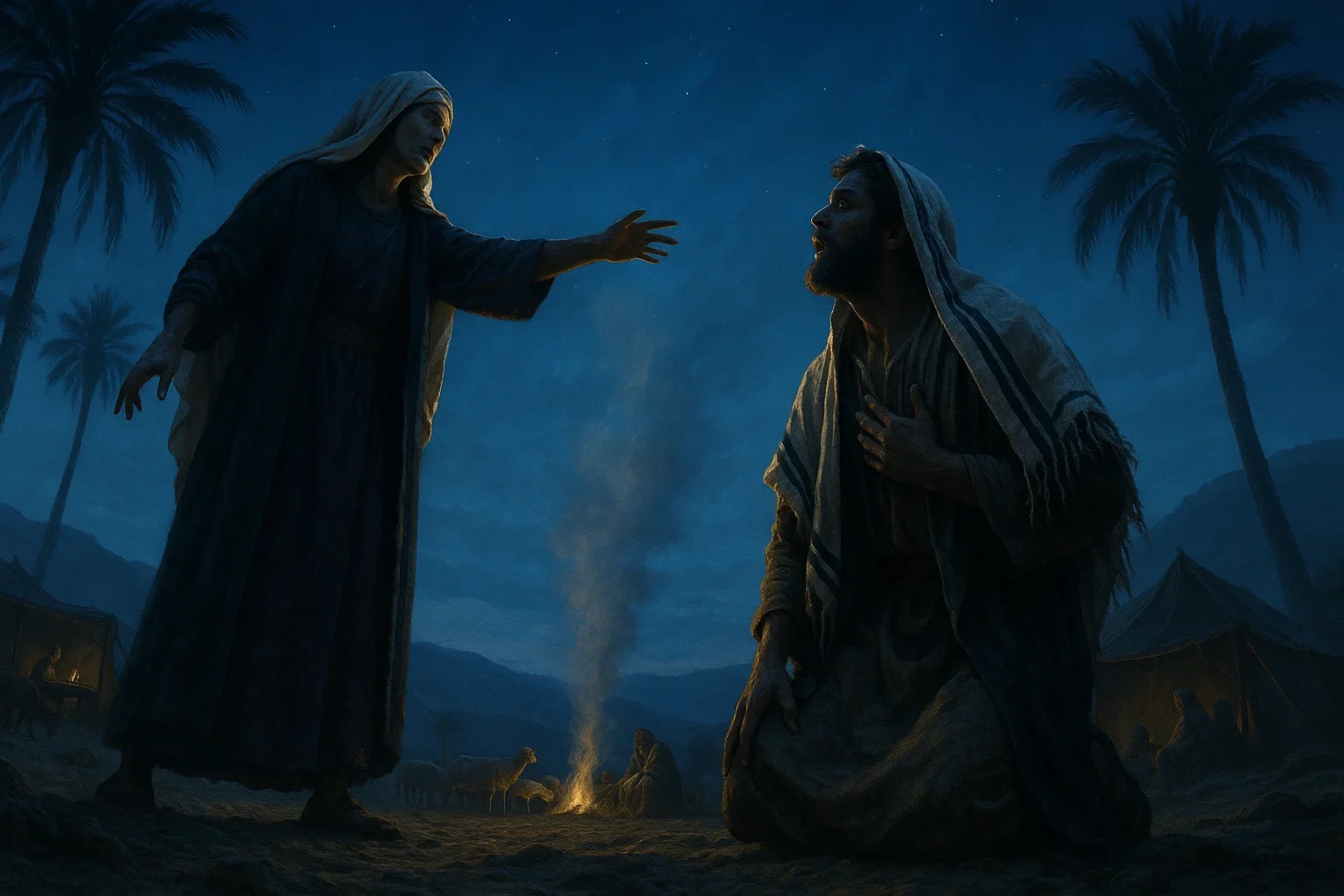
From a different angle: Samuel, the bridge between the era of judges and kings, offers lessons in transitional leadership. His narrative in 1 Samuel showcases a leader who listens both to God and to people. Samuel's heart was heavy with Israel's demand for a king, yet he sought God's guidance and anointed Saul, knowing the weight of this decision. Samuel's leadership teaches us the importance of seeking divine wisdom amid human complexities.
The voices of these judges echo through time, teaching us that leadership is not a one-size-fits-all. It's a dynamic interplay of listening, responding, and acting faithfully amidst uncertainty. Where is the prophetic voice in our leadership today? God is calling His church to wake up and rise to the challenges of our time. The Spirit is moving in the streets, urging us to lead with courage, humility, and faithfulness.
Wisdom Across Cultures
From the depths of African proverbs comes a saying: "He who learns, teaches." In many cultures, wisdom is passed down not through books but through stories and lived experience. This wisdom echoes in the lives of the biblical judges, who teach us that leadership is about learning from the past and guiding the future.
The early church fathers, like Augustine and Athanasius, faced their own crossroads, standing firm against theological heresies and political pressures. Their leadership was marked by deep theological insight and pastoral care, reminding us that leadership is a call to shepherd and protect the flock.
Consider also the stories of liberation movements across the globe. Leaders like Nelson Mandela and Martin Luther King Jr. drew from a well of faith and courage, standing against the giants of oppression and injustice. Their lives echo the courage of Deborah and the humility of Gideon, calling us to radical discipleship and systemic change.
True leadership transcends cultures and time, weaving together wisdom from different eras and places. It challenges us to rise above comfort, to seek justice, and to lead with a heart aligned with God's kingdom. The kingdom demands more than comfort; it requires leaders willing
Continue Your Bible Study
Explore more lessons and deepen your understanding of scripture
View All Lessons Ask AI a Question