God's Beauty Revealed in Darkness Through Lily of the Valley

Lily of the Valley and the Hidden Beauty of Life's Contradictions
Oh, dear one, as I reflect on the gentle beauty of the lily of the valley, I am often struck by the paradox it represents in our lives. Here is a flower that flourishes in the most unexpected of places—the dim, shaded valleys. It is a beautiful contradiction, for how can such delicate blooms emerge from the depths of darkness? This flower, described in the beloved Song of Solomon, evokes thoughts of love and tenderness amidst the struggles of life. In a world where we often seek bright sunshine and open fields, the lily of the valley reminds us that hidden beauty thrives in obscurity and that God's most profound revelations often come through the most unlikely circumstances. This, dear one, is the divine paradox we are invited to embrace.
The Beautiful Contradiction
Our lives are woven with threads of contradiction, much like the soil in which the lily of the valley grows. In Matthew 20:16, we read, "So the last will be first, and the first last." This striking reversal of expectation challenges our understanding and compels us to consider the ways in which God operates. The essence of the lily—emerging from the depths of despair, much like the beloved who says, “I am the rose of Sharon, and the lily of the valleys” (Song of Solomon 2:1)—serves as a reminder that beauty often arises from struggle and sacrifice.
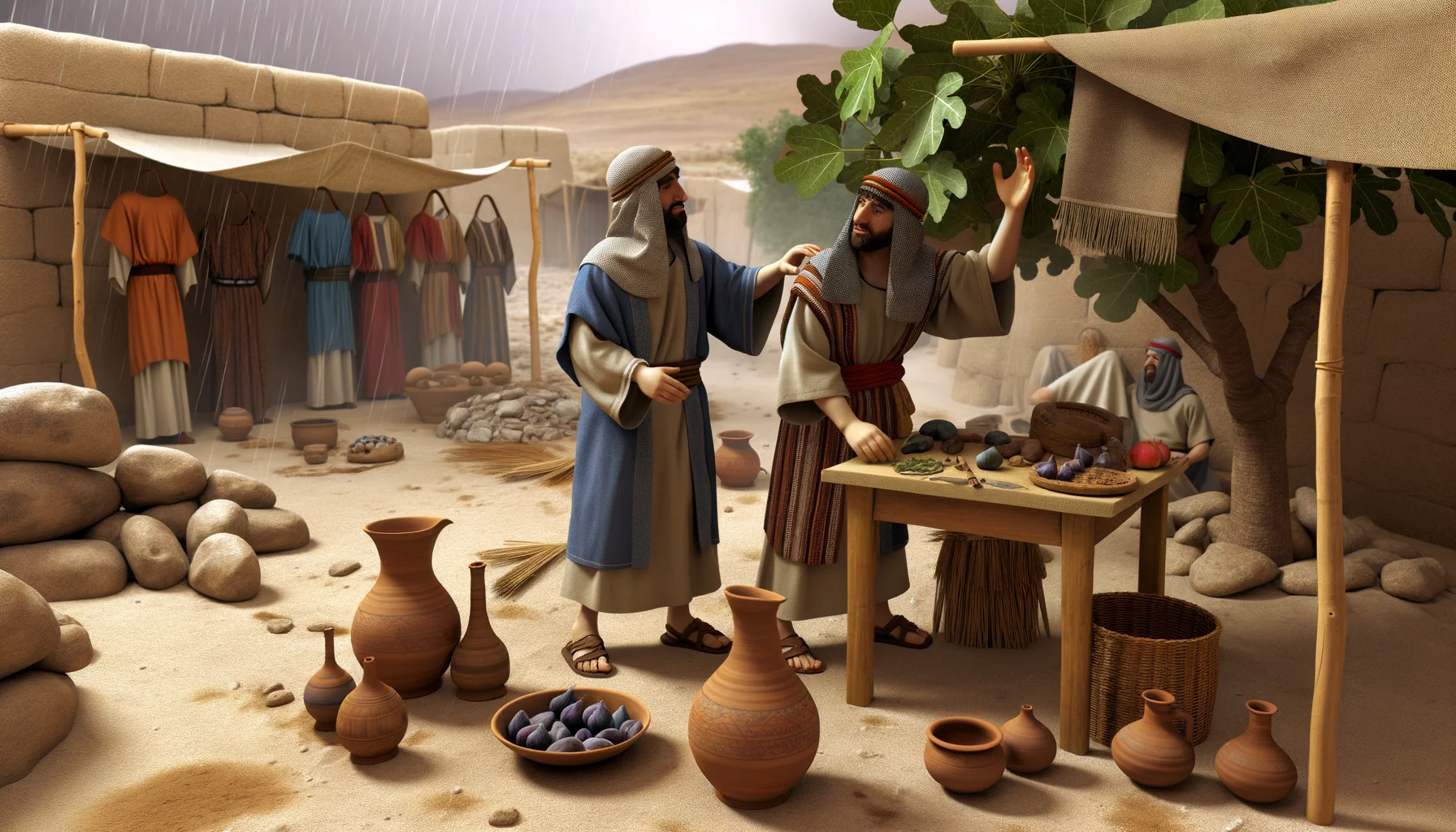
Furthermore, Isaiah 55:10-11 enhances this truth: "For as the rain comes down, and the snow from heaven, and do not return there, but water the earth, and make it bring forth and bud, that it may give seed to the sower and bread to the eater, so shall My word be that goes forth from My mouth; It shall not return to Me void, but it shall accomplish what I please." Just as the lily requires the right conditions to blossom, so do our hearts need the rains of God's word to soften the soil of our lives, allowing us to bear fruit even in the trials we face.
The tension of these opposing truths is palpable. We feel the ache of loss and the promise of hope intertwined, just as the lily’s bloom rests upon a stalk that emerges from the earth's dark embrace. This contradiction invites us into a deeper contemplation of our relationship with God, especially in moments when we feel hopeless or overlooked. How can we reconcile the beauty of the lily's bloom with our own struggles? The answer lies in embracing the mystery.
Our Struggle with Mystery
As a grandmother, I have seen my children navigate their own valleys. I recall a moment when my daughter wrestled with her health, facing uncertainty and fear. The emotional weight felt heavy, almost suffocating. Yet, in the depths of those shadows, I witnessed her transformation. Just as the lily of the valley flourishes amid darkness, she began to cultivate a deeper faith, finding strength in vulnerability and beauty in the support of community.
In our human inclination for resolution, we often resist the paradox that lies within our stories. We yearn for clarity, a neat tie-up of all our questions, much like we seek the sunlight that nourishes the flowers in our gardens. However, life does not always present itself in this manner. Sometimes, it feels like we are standing in a traffic jam of confusion, longing for the green light that signifies moving forward, yet feeling stuck in the wait. There is a natural reluctance to accept that beauty can arise from the very situations we dread.
The struggles we encounter, be it financial burdens, fractured relationships, or health concerns, leave us grappling with our understanding of God’s goodness. A sobering truth is that many of us have been conditioned to believe that ease equates to divine favor. Yet, as we reflect on the life of the lily, we find that true beauty often emerges in the struggle, as God refines us through our trials, much like the way rain nurtures the parched earth.
Living the Paradox
Throughout Scripture, we see figures embodying this beautiful contradiction. Consider Paul, who was given a "thorn in the flesh" to keep him humble (2 Corinthians 12:7). Rather than being delivered from his suffering, he was gifted with a profound revelation of grace, stating, “My grace is sufficient for you, for My strength is made perfect in weakness.” In his vulnerability, Paul found a deeper intimacy with God, much like the lily takes root in the shaded valleys.
Mary, the mother of Jesus, offers another poignant example. At the Annunciation, she was met with an overwhelming call— to bear the Son of God, yet her circumstances seemed insurmountable. A young girl from a humble background, pregnant before marriage, she embraced her role with a heart willing to endure societal judgment. The beauty of her submission shines amid uncertainty, revealing that God’s plans often unfold through the unlikeliest of vessels.
Above all, Jesus’s crucifixion serve
Continue Your Bible Study
Explore more lessons and deepen your understanding of scripture
View All Lessons Ask AI a Question