Freedom in Christ and the Path to a Sinless Life

Free From Sin
The Truth We Confess
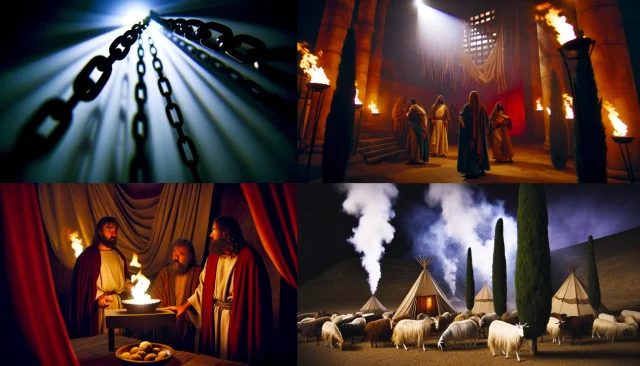
There’s a divine whisper that echoes through the sacred halls of our faith, a truth declared in the breath of Scripture: we are free from sin. This theological concept isn't confined to the pages of doctrine but is woven into the fabric of the gospel — that Jesus’ sacrifice on the cross liberates us from the bondage of sin. Romans 6:18 reminds us, "You have been set free from sin and have become slaves to righteousness." The apostle Paul, writing to the early church, ushers in a profound liberation, a call to embrace our identity in Christ.
This freedom means that sin does not hold ultimate sway over our lives. The chains have been broken, and we are invited into a life that reflects the grace and mercy of our Creator. This truth stands as a pillar in our creeds, a foundational statement that we often recite in worship settings. Yet, understanding this truth in an abstract sense can sometimes feel like grasping at shadows — it’s there, but how do we hold it?
In our theological traditions, this freedom is a shift from darkness to light, from death to life. It’s the grand narrative that our sin has been dealt with, and we are no longer defined by our failures but by the righteousness of Christ. We confess it, we believe it, and it shapes how we view salvation. But the challenge remains: how do we move from head knowledge to heart understanding? How does this freedom touch the very soil of our daily lives, influencing the mundane and the miraculous alike?
Truth in Flesh and Blood
But bodies complicate things: We live in the tension of already but not yet. Our bodies, frail and finite, carry the scars of sin, even as we cling to the promise of freedom. In the 3 AM darkness of the hospital corridors, I see the battle between life and death play out in real time. A patient, struggling for breath, reminds me that sin’s grip often feels tangible — in illness, in decay, in the relentless march of time that no medication can fully arrest.
Our physical bodies, though redeemed in Christ, still bear the weight of a fallen world. To claim freedom from sin is to engage in a daily, embodied fight. It requires that we show up in the world, fully aware of our limitations and our potential for holiness. Spiritual disciplines become lifelines — prayerful meditation on Scripture, breathing in the promises that have the power to transform us from the inside out. As we inhale God's word, we exhale the lies that say we're captive.
In the sacred space of suffering, we find God's presence tenderly holding us. We are reminded of Jesus’ own body, broken for us, and the mystery of our union with Him. Our bodies, though imperfect, are the vessels through which God’s love is made manifest. We are called to care for them, to listen to their needs, and to honor them as temples of the Holy Spirit. This is where the battle for freedom is fought — not in the lofty ideas but in the gritty reality of aches, pains, and tears.
Truth in Relationship
In real life: Relationships are the arenas where the truth of our freedom is most clearly tested. It’s easy to confess love from the comfort of solitude, but in the company of others — family, friends, church members — we discover the challenges of living out this freedom. Relationship conflicts can feel like shackles, pulling us back to old patterns of anger, resentment, and unforgiveness.
Jesus' call to forgive seventy times seven isn’t just a spiritual ideal; it’s a radical invitation to embody freedom in our interactions. It's the act of releasing others from the debts we believe they owe us, realizing that in Christ, we've been forgiven more than we can fathom. In the church community, this looks like choosing grace over judgment, love over legalism.
Family dynamics often bring us face to face with our deepest wounds. I’ve sat with families in hospital waiting rooms, where the stress of a loved one’s illness uncovers buried tensions. There, the theology of freedom from sin calls us to embrace reconciliation, not because it’s easy, but because it reflects the heart of God. It’s in these messy, imperfect relationships that we learn to love with the same radical freedom we’ve been given.
Truth at the Kitchen Sink
When rubber meets road: The mundane, often overlooked places of our lives offer the richest soil for embodying freedom from sin. It’s in the daily grind — the dishes piled high, the never-ending laundry, the monotony of a 9-to-5 job — that we choose to live as people set free. Our freedom is manifest not only in grand gestures but in small, faithful acts of obedience.
In the clamor of a busy kitchen, where the demands never cease, freedom looks like stepping away from the cycle of performance and perfection. It’s about finding rest in God’s presence amidst the chaos, allowing His peace to reign in our hearts. As I fold another set
Continue Your Bible Study
Explore more lessons and deepen your understanding of scripture
View All Lessons Ask AI a Question