Paul's Trials and Grace Thompson's Faith Journey
Fought the Good Fight
The Beautiful Contradiction
In the heart of the struggle lies a paradox. Paul, a man who faced unrelenting adversities, declared with unwavering assurance, "I have fought the good fight, I have finished the race, I have kept the faith" (2 Timothy 4:7). Here stands a man who endured shipwrecks, beatings, imprisonments, and betrayal. Yet, he speaks of victory. How can defeat and triumph coexist? This paradox pulses through the veins of our faith. It challenges our understanding of what it means to win.
We live in a world where success is often defined by tangible achievements, power, and comfort. Yet, Paul flips this notion on its head. The kingdom demands more than comfort. It calls for a radical transformation, where losing is the way to gain, and weakness becomes the channel for strength. Jesus declared, "For whoever wants to save their life will lose it, but whoever loses their life for me will find it" (Matthew 16:25). The last shall be first; the first shall be last. These aren't just poetic words; they are the very heartbeat of our faith.
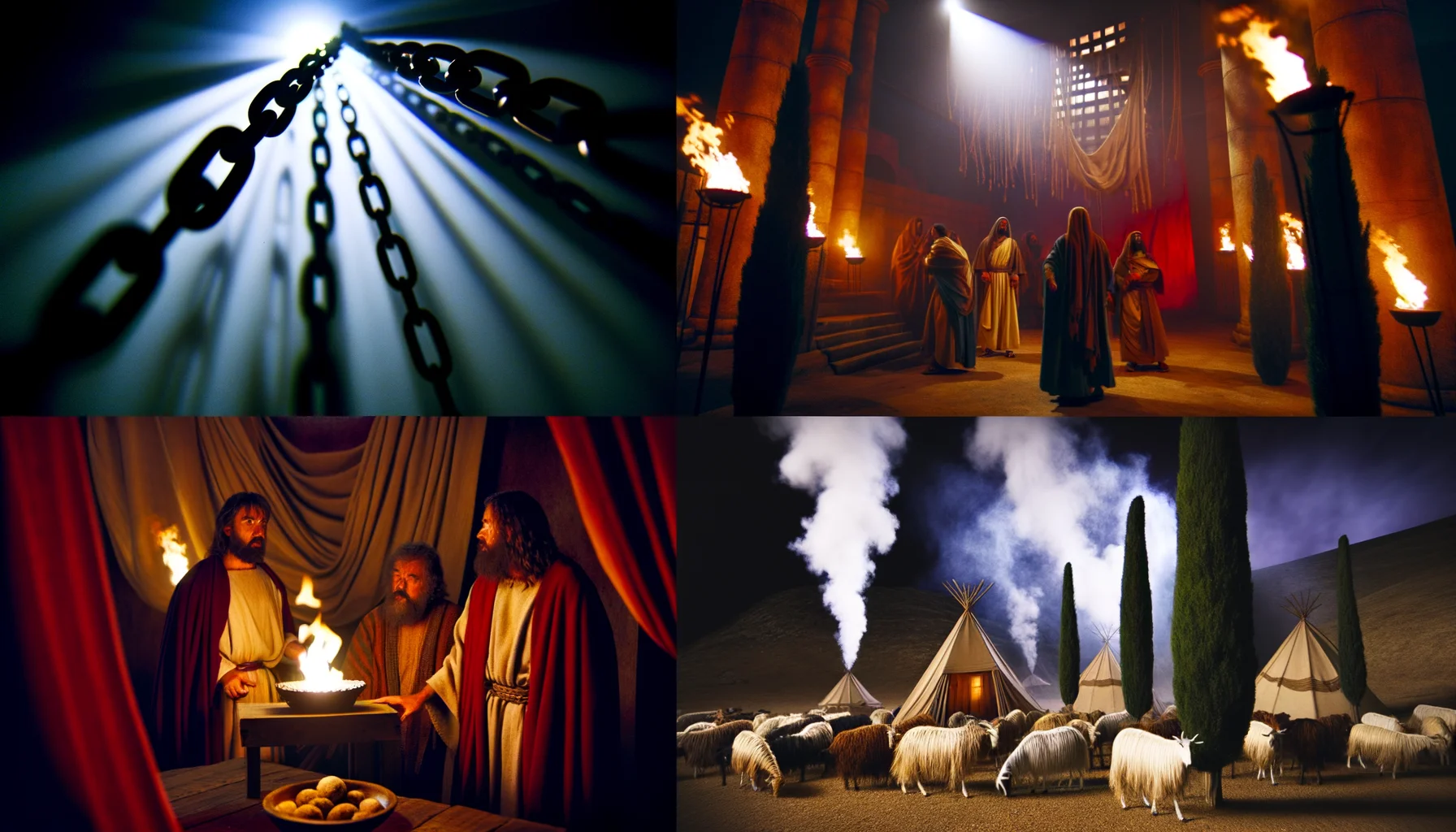
Imagine Paul in the darkness of a Roman prison, chains clinking with every movement. To the world, he's defeated. Yet, in that bleak cell, he claims victory. "Where is the prophetic voice?" It's in the midst of these contradictions that we find the truth. We are called not to resolve them but to live in their tension. The Spirit is moving in the streets, in our struggles, in our victories, and even in our defeats.
Our Struggle with Mystery
The human soul craves resolution. We don't naturally lean into paradox; we resist it. We want clear answers, neat endings. And yet, here we are, faced with a gospel that is anything but neat. As a young boy in Nigeria, I witnessed the brutal clash between injustice and hope. Police brutality wasn't just a story; it was a daily reality. It was a storm I couldn't wrap my mind around. It seemed there was no justice. Yet, my mother would say, "Where there is hope, there is life."
This struggle with mystery isn't just mine. Look around. In urban landscapes, people hustle, striving for a better tomorrow, but often finding themselves mired in the same cycles of poverty and violence. The streets echo with questions that have no easy answers. Our culture celebrates certainty. We're taught to have five-year plans, control our destinies, and avoid ambiguity. But life isn't a straight line.
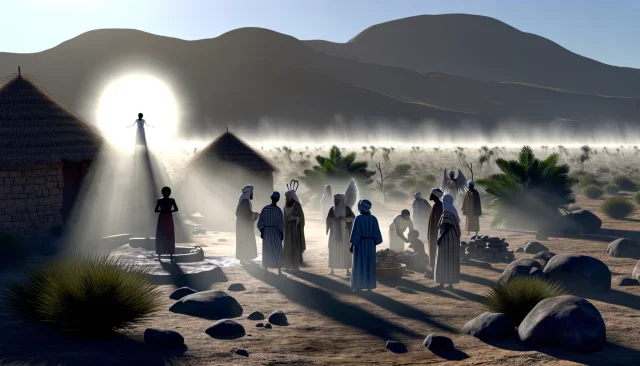
Paul himself grappled with this. Imagine his journey to Damascus (Acts 9:1-19), blinded and confused, his world turned upside down. His old certainties shattered, he faced a new reality. His transformation was messy, full of questions without immediate answers. Yet, it was in this uncertainty that he found purpose. The kingdom of God isn't a fortress of certainties. It's a dance of faith, where we learn to trust beyond what we can see.
Living the Paradox
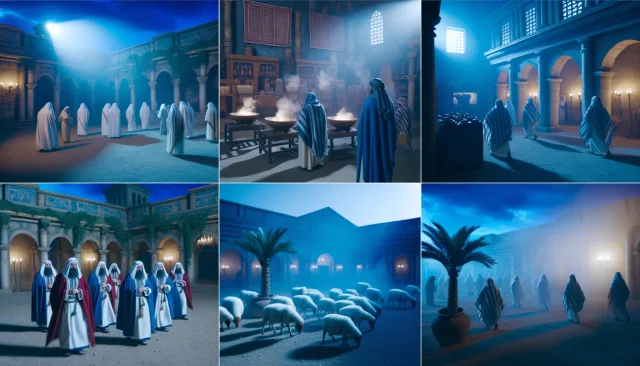
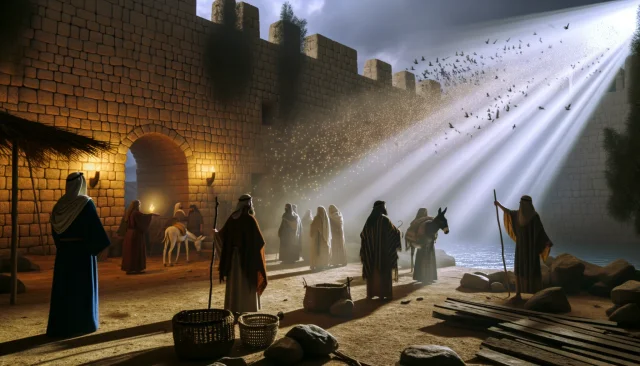
Let’s walk with Paul through the pages of Acts, where paradox is incarnate in his life. Starting in Damascus, the hunter becomes the hunted. From persecutor to persecuted. Paul, once feared, now fears for his own life as he escapes in a basket over the city walls. "The kingdom demands more than comfort..." It demands transformation through adversity.
Then there’s the jail in Philippi (Acts 16:23-26), where Paul and Silas, beaten and bound, find freedom in worship. The earth quakes, chains fall, but they remain. Freedom isn't about escaping hardship; it's about finding peace within it. Their prison becomes a pulpit, their chains a choir. This is the paradox of faith—where captivity gives birth to freedom, where suffering births songs of praise.
And don't forget Malta (Acts 27-28), where shipwreck leads to salvation. A snakebite that should have meant death instead becomes a testament to God's protection. Paul, cold and wet, stands tall as an unshakable witness. Here, weakness becomes strength. The islanders see God's power not in Paul's escape, but in his endurance.
Finally, Rome, where Paul’s final imprisonment seals his fate (2 Timothy 4:6-8). Yet, he writes letters of encouragement and hope. His words echo through the ages, a testament to a fight well fought. "Comfortable Christianity is dead Christianity..." Paul's life is a living testimony to this truth. He embraced the paradox, finding life in death, victory in loss.
The Hidden Unity
Here's where it gets interesting: In God's economy, paradox is not contradiction but complement. The kingdom of God doesn't obey human logic. It dances to its rhythm. The plot thickens as we realize that what seems foolish to the world is wisdom to God. Paul understood this. He writes, "But God chose the foolish things of the world to shame the wise; God chose the weak things of the world to shame the strong" (1 Corinthians 1:27).
The Spirit is moving in the streets; unseen yet undeniable. In the hustl
Continue Your Bible Study
Explore more lessons and deepen your understanding of scripture
View All Lessons Ask AI a Question