The Samaritan Woman and the Power of Transformation

The Samaritan Woman Transformative Encounters
Naming What Must Die
Let's kick it off by naming the death. In the story of the Samaritan woman, we find a narrative that highlights the necessity of letting go of an old identity. She’s burdened by societal labels, personal shame, and a life defined by past choices. Her daily trek to the well at noon—avoiding the whispers of others—symbolizes a life lived in the shadow of judgment. It's a kind of spiritual and social exile.
In our digital age, think of this as holding on to an outdated OS that's slowing you down. You know the feeling, right? When you’re running on old software, dealing with bugs and glitches that could be resolved by hitting that upgrade button. But there's fear. Fear of the unknown, fear of change, and perhaps fear of losing what you’ve grown accustomed to. Consider how social media keeps us tethered to a past identity, where old posts and photos remind us of who we once were—often in ways that aren’t flattering.
What needs to die is this old self that clings to past definitions. This death means releasing destructive patterns and false securities that bind us to our former lives. The Samaritan woman’s need for validation through relationships mirrors our own cravings for likes and retweets—temporary affirmations that don’t satisfy the deeper thirst.
This death requires an honest admission. Like debugging a piece of malfunctioning code, it’s painful to sift through the lines of our lives and acknowledge the mistakes and missteps. Yet, it's critical. Recognizing the need to shed this old skin is the first step toward something new. The woman at the well embodies this pivotal moment of self-examination—a window to a potential upgrade in life.
The Descent into Death
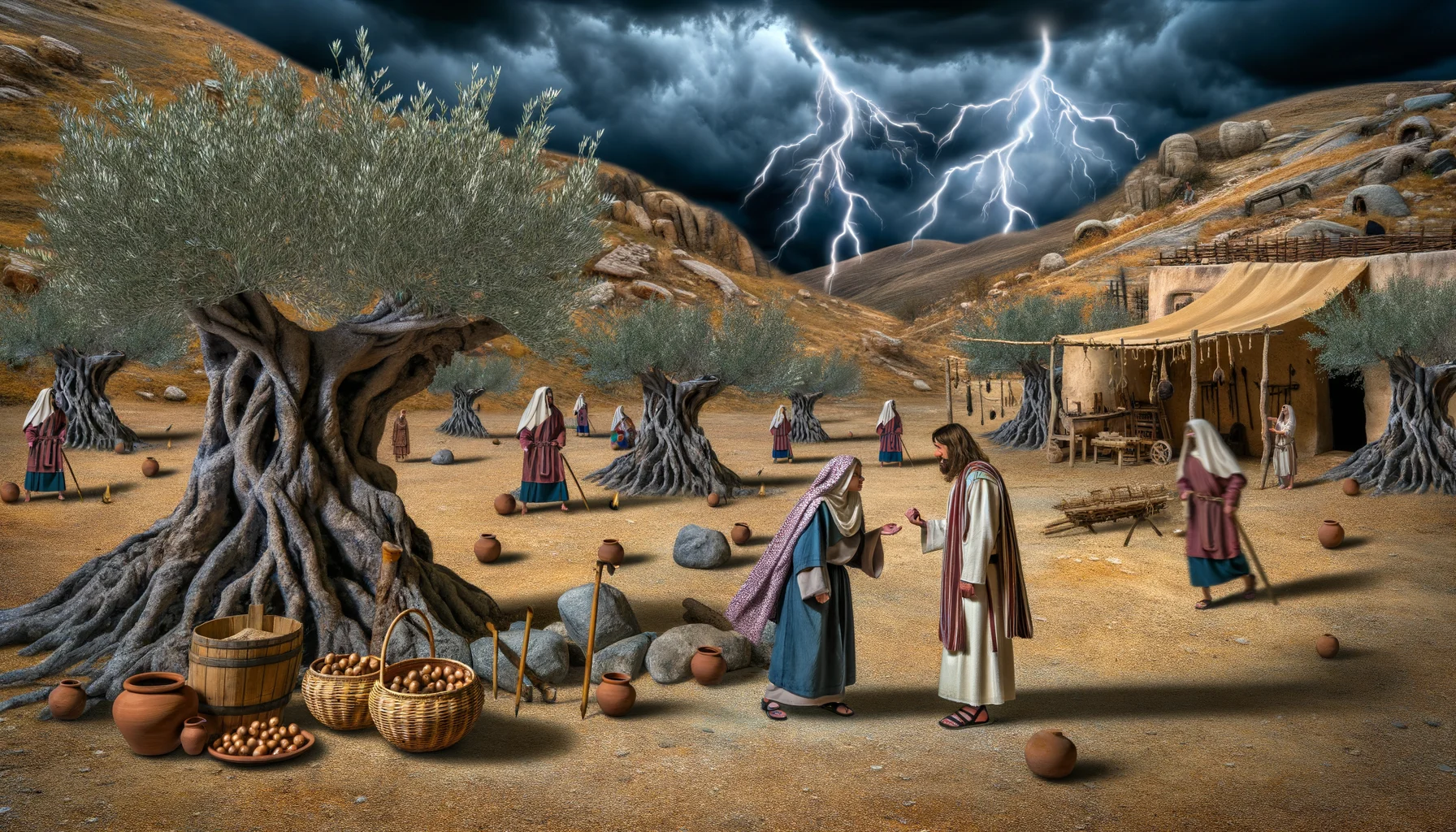
Then comes the dying: The Samaritan woman's encounter with Jesus represents a descent into the uncomfortable process of letting go. It’s like that moment when you must decide to factory reset your device, knowing you’ll lose all your custom settings. She stands at the well, engaging in a conversation that requires her to confront her truth. Jesus doesn’t shy away from mentioning her five husbands, a spotlight on her past that she’d rather avoid.
In tech terms, this is akin to facing a critical error message that won’t disappear until you deal with the root cause. It’s a Gethsemane moment, a personal crucifixion where she has to lay down her defenses and see what's truly broken. There’s resistance, naturally. Humans have an incredible capacity for self-preservation, even when the old ways no longer serve us. But Jesus offers a new kind of water—an upgrade to a new OS, if you will.
This process of dying to the old self isn't just theoretical. It involves real pain and vulnerability. Imagine sitting through a challenging video call where your flaws are laid bare, and your webcam doesn't allow you to hide. You’re exposed, forced to reckon with the reality of who you are versus who you want to be. The old ego fights to hold on, but the invitation to change is clear.
Let’s debug this spiritual issue: The Samaritan woman experiences the tension of stripping away her old identity. It’s not easy. It's a process of ego death where the façade must crumble. This kind of transformation demands courage—the courage to let go and trust the promise of something better. This is where many falter, stuck in the pain of letting go, unable to see beyond the immediate loss.
Holy Saturday Waiting
In the darkness: After confronting the death of her old self, the Samaritan woman enters a period of waiting—a Holy Saturday of sorts. It's the liminal space, the in-between where transformation brews but hasn't yet unfolded. Picture the disciples on that silent Saturday, grappling with uncertainty and disillusionment. It’s the feeling of being in a holding pattern, like a software update that's taking longer than expected.
This waiting is uncomfortable, filled with questions and doubts. You know this feeling if you've ever been in a career transition, waiting for that next gig, watching your LinkedIn profile for any signs of life. Or when you're buffering in a video call, stuck in the lag, waiting for the conversation to catch up. The Samaritan woman remains in this tension, carrying water from the well, yet pondering the living water Jesus promised.
This period is full of potential energy, but it’s not static. It’s about sitting with the tension of the already and not yet. In this in-between time, the woman is neither fully her old self nor her new self. It’s the wilderness season where we wrestle with divine truths yet to be fully realized. It's like debugging code that compiles without error but hasn’t been executed to see if it functions correctly.
Here, the divine source code is at work, unseen but active. It’s the preparatory stage where faith must grapple with uncertainty. The Sa
Continue Your Bible Study
Explore more lessons and deepen your understanding of scripture
View All Lessons Ask AI a Question