Garment of Praise A Journey of Renewal and Faith

Garment of Praise
Life in the inner city isn't for the faint-hearted. It's raw, it's real, and sometimes, it's downright heartbreaking. You know this. You've seen despair in the eyes of a young mother trying to make ends meet, watched hope drain from a boy caught up in gang life. In these moments, the darkness can feel overwhelming, suffocating. We can't sugarcoat it. We can't pretend it's all sunshine and rainbows because it's not. It's a sacred right to cry, to lament the brokenness of our world. Even Jesus wept. He stood at the tomb of Lazarus and wept, knowing the pain of loss (John 11:35). So, if you're mourning today, if you're grieving, know you're in good company.
The Psalms are filled with cries of lament. David, a man after God's own heart, poured out his sorrows, his frustrations, his disappointments. "How long, Lord? Will you forget me forever?" he asked (Psalm 13:1). These aren't the words of a man with a shallow faith. They're the cries of someone who knows the depth of struggle, the weight of the world. Lament is sacred. It's a protest against the way things are, a demand for the kingdom to come in fullness. The kingdom demands more than comfort; it demands truth. Lament is truth-telling in a world of lies. It's the voice of the oppressed crying out for justice, the sound of a weary soul longing for rest. In lament, we name the pain and acknowledge the harsh reality of our lives.
The Sacred Right to Cry
Let's get real about it. Lament is a language many of us were never taught. We've been told to push aside our pain, to paint a smile on our faces, and move on. But that's a lie. Lament is not weakness; it's strength. It's the strength to stand before God and say, "This is not okay!" It's the courage to face our pain head-on and refuse to be silenced by toxic positivity. The Psalms are full of this raw, unfiltered language. They're not polite. They're not sanitized. They're gritty, guttural cries from the depths of the soul.
Yet even here: In this space of raw honesty, we find our first step toward healing. Lament is the gateway to God's heart. It's an invitation for the Holy Spirit to move in the streets of our hearts, to bring about the change we desperately seek. Through lament, we open ourselves to the divine presence. We strip away the facade and allow God to see us as we truly are. This is where transformation begins. In the midst of our tears, God meets us, not just at the end of our pain, but right in the middle of it. The Spirit is moving here, in the depths of our lament.
The Language of Loss
There is a structure to lament. It's not just aimless crying. The Psalms often begin with an address to God, a declaration of trust, followed by the complaint, the plea for help, and finally an expression of praise. This isn't a formula to force a happy ending. It's an honest journey through the valley of despair. When we lament, we acknowledge the pain, but we don't stop there. We also remind ourselves of God's past faithfulness. "Yet you are enthroned as the Holy One; you are the one Israel praises" (Psalm 22:3).
Something shifts: When you lament, you're not just speaking into the void. You're speaking to the living God. The prophets knew this. Jeremiah cried out over the destruction of Jerusalem, but he also declared God's mercies are new every morning (Lamentations 3:22-23). This is the language of loss. It's the tension of holding both sorrow and hope. It's standing in the ruins and daring to believe that God will build again. It's a radical act of faith to lament and trust simultaneously. The kingdom is breaking in, even in our lament.
Meeting God in the Darkness
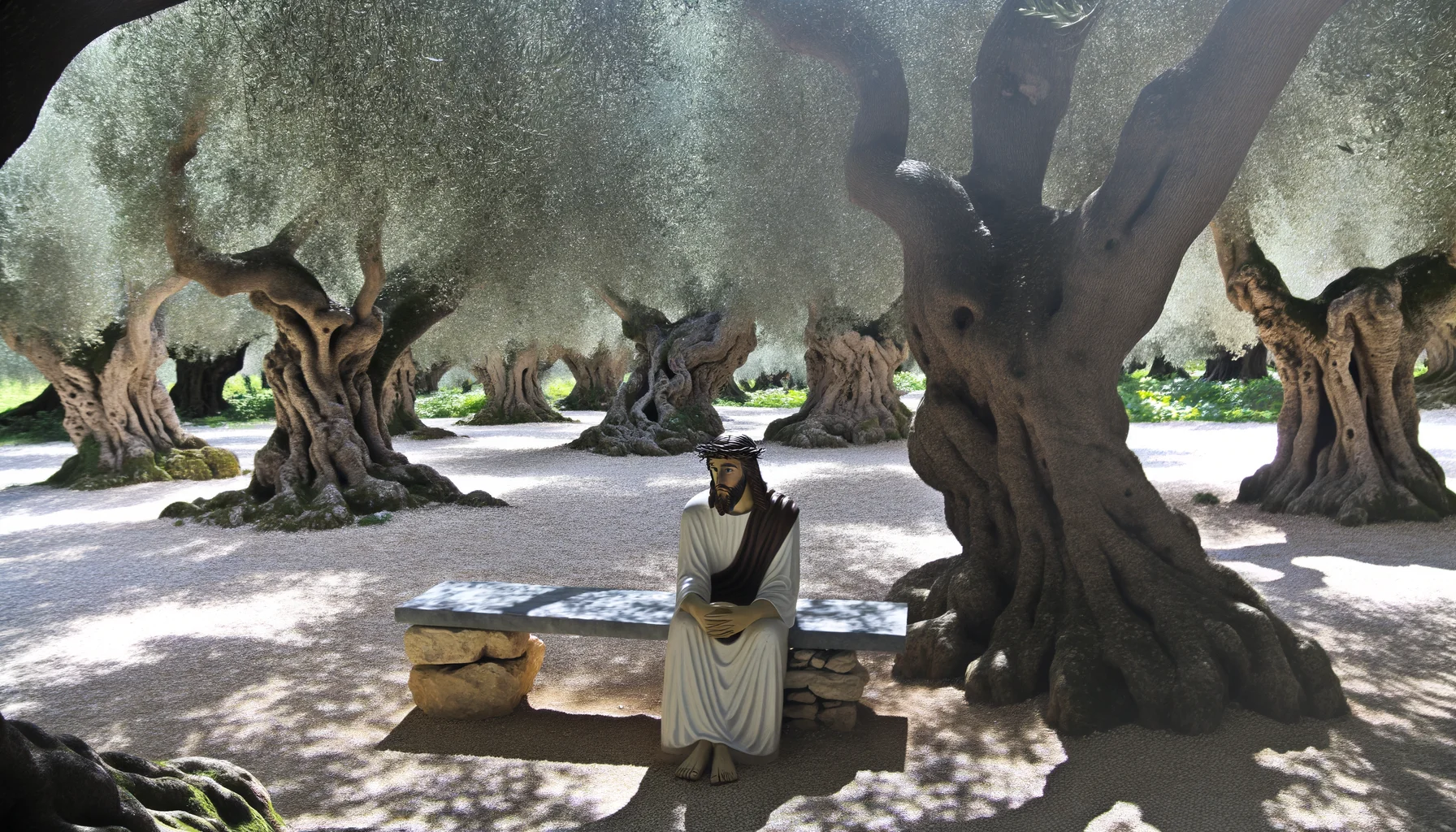
Where is God in the midst of our pain? Not standing far off, that's for sure. He's right there, in the mess, in the chaos, embracing our brokenness. The cross is the ultimate symbol of this divine solidarity. Jesus, the suffering servant, bore our griefs and carried our sorrows (Isaiah 53:4). God meets us in the darkest places, where hope seems lost. This is the paradox of faith: God is most present when he seems most absent. In Gethsemane, Jesus prayed, "My soul is overwhelmed with sorrow to the point of death" (Matthew 26:38). Yet, in that garden, angels were sent to strengthen him. God was there, even in the agony.
Watch what happens: When we meet God in our lament, something profound occurs. We find that we are not alone. Our cries are not ignored. Our suffering is not in vain. In our deepest darkness, God whispers his promise of redemption. He is there, weeping with us, holding us in our grief. The Spirit groans with us, and in those groans, we find the seeds of hope. This is where the mystery of lament leads us—to a God who is intimately acquainted with our suffering, yet powerful enough to transform it.
The Mysterious Turn
There comes a moment in lament when the scales begin to tip. It's a mysterious turn. We
Continue Your Bible Study
Explore more lessons and deepen your understanding of scripture
View All Lessons Ask AI a Question