Navigating Modern Dating with Covenant Love

When Everything Falls Apart
The city hums with the noise of life, yet in your heart, there's a deafening silence. You've just left a dimly lit café, where the words "I think we should see other people" hang heavy in the air like the stale espresso. Your relationship, once vibrant with promises and late-night laughter, has crumbled. In this moment, the streets feel foreign, the chatter of pedestrians an unintelligible murmur. You walk aimlessly, grappling with the question—what went wrong? You gave your heart, molded your dreams around another, and now you're left with empty hands.
This isn't just a breakup; it's a betrayal of hope. You recall the naive excitement of first dates, the shared dreams under city lights, and the silent promise of forever. But now, the pain is raw, like an open wound exposed to bitter winds. You've seen this heartache reflected in friends, family, and strangers on the subway whose eyes scream silent stories of loss. Relationships in our modern world can feel like a series of fleeting connections, each one promising eternity but delivering momentary highs and devastating lows.
As you navigate this emotional wreckage, questions rise. Is love merely an illusion? A temporary distraction from life's loneliness? Or worse, a cruel joke? You've been told to "find the right one," but what if that search is flawed from the start? What if it’s time to rethink what relationships should be? These thoughts are a storm within, echoing louder than the city’s clamor. You’re not alone in this, yet the isolation feels all-consuming. The kingdom demands more than comfort—it demands truth. And the truth is, our understanding of love needs radical transformation.
Ancient Cries, Timeless Pain
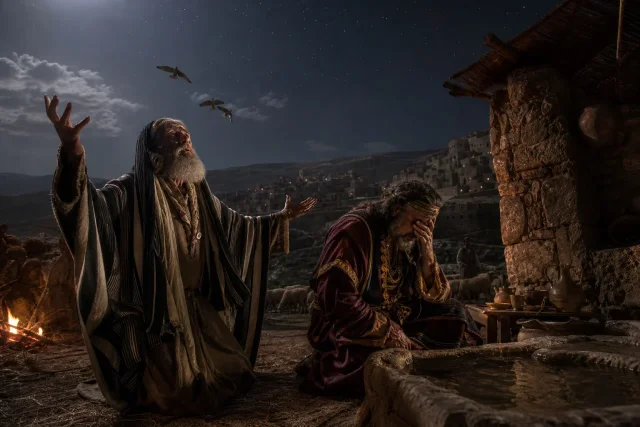
Let's journey back to the ancient world. Thousands of years ago, a woman named Hannah wept bitterly, consumed by unfulfilled desires and societal pressures. In her barren state, she cried out to God, her pain transcending time and culture. Her story is one of longing, of a heart yearning for more than what life had offered. Much like you, she knew the sting of inadequacy, the whisper of failure in a world that measures worth by relationships and offspring.
Then there's David, the anointed king who faced betrayal not from a lover, but from the closest of friends. His psalms echo the cries of those hurt by broken trusts: "Even my close friend, someone I trusted, one who shared my bread, has turned against me" (Psalm 41:9). David's lament is universal; the pain of broken relationships reaches across centuries. His life, marked by public triumphs and private sorrows, mirrors the emotional rollercoaster of modern-day dating and courting.
In these ancient stories, we find a mirror to our own struggles. Job, a man stripped of all but his faith, questioned existence itself: "Why is life given to those in misery, and life to the bitter of soul?" (Job 3:20). His plight speaks to those who have loved deeply and lost greatly. These biblical figures, though far removed in time, faced the same emotional terrains we navigate today. Their humanity, their cries, remind us that the heart's journey is timeless, and our struggles are shared with the saints of old.
The Unbreakable Promise
But here’s where it gets revolutionary: God’s covenant is the answer to our deepest relational crises. God's promise is unbreakable, steadfast through time and culture. "I will be your God, and you will be my people" (Jeremiah 30:22). This assurance transcends the temporary highs and lows of human relationships. It’s a divine commitment that speaks life into the void of human failure. It’s the promise that though human love may falter, God's love remains unwavering.
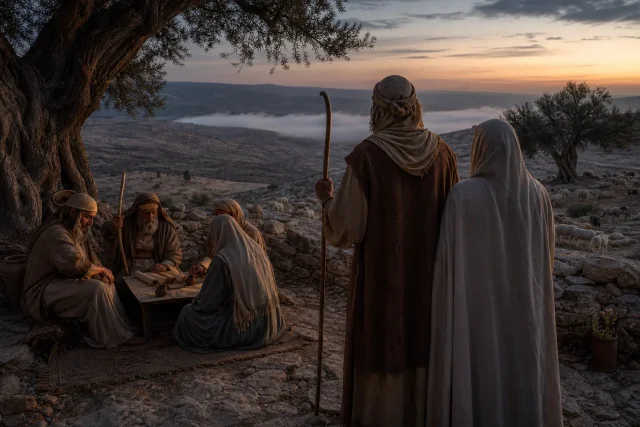
Ruth and Boaz's story emerges as a beacon of what covenant love looks like. Here is Ruth, a foreigner, stepping into an uncertain future, and Boaz, a man of integrity, extending hesed—covenant loyalty—beyond obligation into the realm of divine love. This narrative speaks to the power of commitment. It challenges the transient nature of modern relationships, presenting an alternative grounded in covenant rather than convenience.
In the New Testament, Jesus embodies this covenant love. His relationship with the church is described as a bridegroom's love for his bride—a love that sacrifices, protects, and cherishes (Ephesians 5:25-27). Through Christ, we see the fulfillment of God's promises: love that heals, restores, and transforms. This is the love we are called to emulate, a love that transcends surface attraction, delving into the depths of covenantal commitment. It beckons us to rise above the fleeting and grasp the eternal.
The Sacred Transformation
Because of this... the journey from crisis to covenant trust begins with a decision—a decision to embrace love as a sacred act. It’s a shift from seeking fulfillment in another to discovering identity in the One who loves us without condition. This transformation is not magic; it’s a deliberate pursuit of God’s heart through spiritual disciplines. Immerse yourself in prayer, where God’s whispers drown out the chaos of unmet expectations.
Community becomes the fertile ground for growth. Seek mentors who reflect covenant love, who have walked paths of fidelity and can guide you through yours. Engage in honest conversations about your desires, fears, and hopes. Let the iron sharpen iron as you learn and grow in the safety of Godly relationships. This sacred transformation calls for the relentless pursuit of God’s promises, even when the world beckons with easier paths.
Paul's words to the Romans resonate here: "Do not conform to the pattern of this world, but be transformed by the renewing of your mind" (Romans 12:2). It’s a call to rise above cultural norms, to reject superficial love, and embrace the radical, transformative love of God. This process, though enduring, cultivates a heart ready for true commitment. The Spirit is moving in the streets, calling us to redefine love in the light of kingdom values.
Living as Covenant People
This changes everything: Living as covenant people means redefining relationships through God’s lens. It means walking with a prophetic witness, seeing potential partners not just as lovers, but as co-heirs in God’s kingdom. It’s living with an awareness that every interaction reflects the heart of the kingdom, a kingdom of justice, mercy, and steadfast love.
In practical terms, this means dating and courting with intentionality. It transforms mundane moments into divine opportunities. It’s asking, "How does this relationship honor God’s covenant?" and being willing to walk away from what doesn’t. It’s being open to God’s guidance over personal preference, and trusting His perfect timing over societal pressure.
Testimonies abound of those who have found freedom in this approach—who have moved from brokenness to wholeness by aligning their relationships with God’s purposes. Comfortable Christianity is dead Christianity, and covenant living breathes new life into every corner of existence. Where is the prophetic voice that will rise in this generation, calling us back to the sacred?
Reflection Questions
- Introspective: Where in your relationships are you seeking fulfillment outside of God’s covenant promises?
- Action: Who in your community can you approach for mentorship in walking a path of covenant love?
- Prophetic: What societal norms around dating and courting can you challenge with kingdom values?
Continue Your Bible Study
Explore more lessons and deepen your understanding of scripture
View All Lessons Ask AI a Question