Leadership Transitions with Moses and Joshua's Journey

Navigating Leadership Transitions from Moses to Joshua
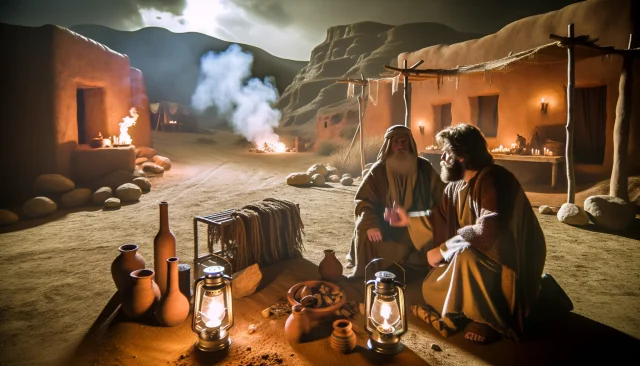
Throughout my journey in faith, I have witnessed the beauty and the sorrow of transitions, especially in leadership. Today, dear one, I want us to acknowledge a profound truth: in every leadership transition, we must first reckon with the reality of death. The passing of a beloved leader, the ending of an era, or the shifting of responsibilities often brings with it a heavy heart. Just as Moses, the great prophet and guide of the Israelites, reached the end of his earthly journey, we too must face the weight of what must be released so that new life can emerge.
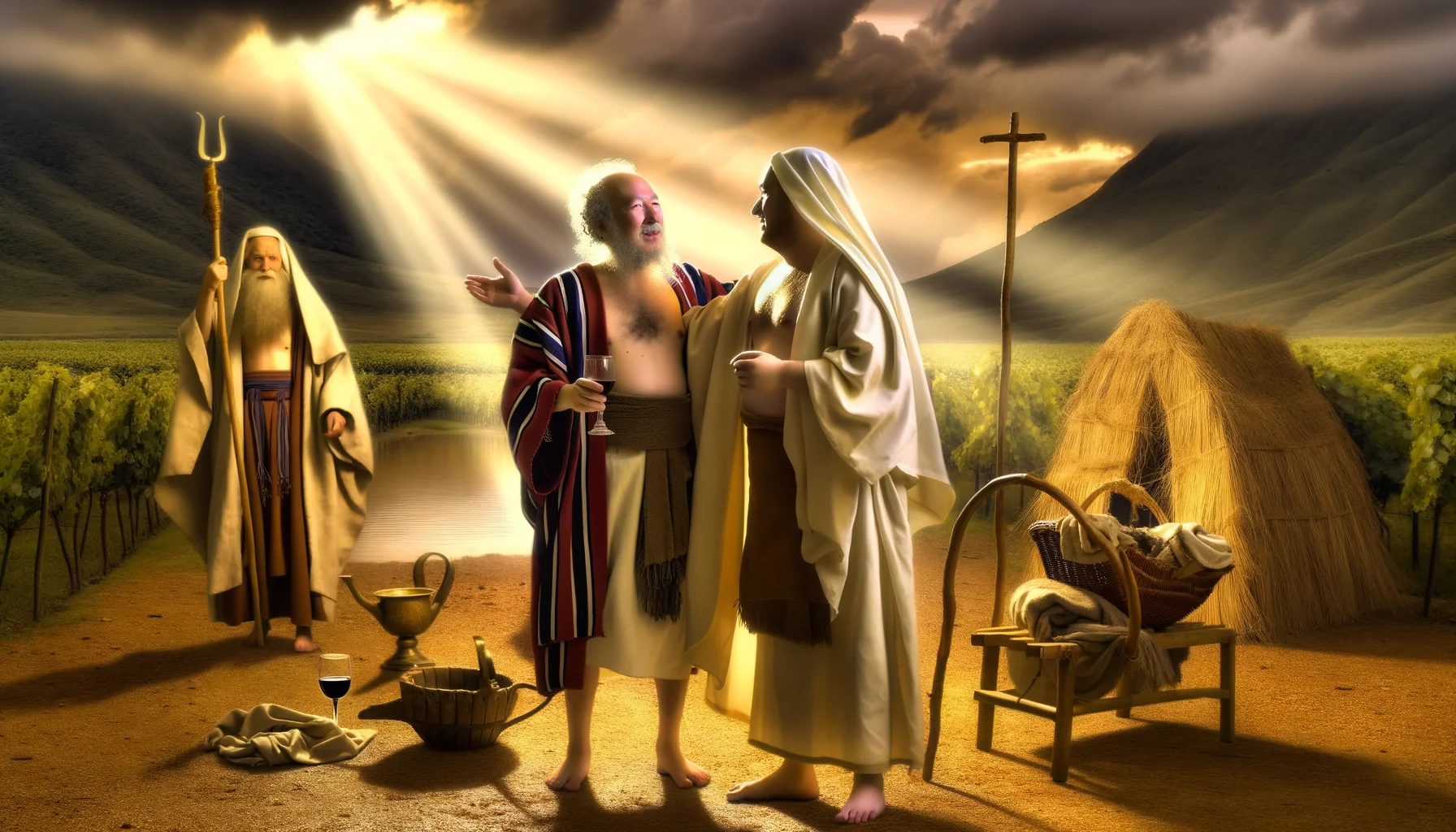
As we reflect on this sacred transition from Moses to Joshua, let us pause and feel the weight of these moments of change. Moses had led God’s people through the wilderness for forty long years, teaching them the ways of the Lord, nurturing their faith, and interceding on their behalf. But as the Lord whispered to my heart, every good thing must come to an end for new chapters to begin. The mantle of leadership must be passed on, and this transition, beloved, requires a deep examination of what must die.
Naming What Must Die
In considering the leadership transition from Moses to Joshua, we must name the heavy burdens that need to pass away. There comes a time when old identities must die; Moses was not just a leader but a figure of authority, a father, and a friend to the people. When he was no longer able to fulfill that role, the identity that had been deeply intertwined with his leadership had to be relinquished. His self-image as the chosen leader of Israel could no longer hold, for his time had come to a close.
Moreover, there were destructive patterns that needed to be addressed. The Israelites had a history of rebellion and doubt, clinging to the past and longing for the comforts of Egypt. For Joshua to lead them into the Promised Land, those destructive patterns of mistrust and complaint must die. It is a painful truth, dear one, that sometimes our familiar ways can hinder us from stepping into the fullness of what God has in store for us. Old habits, complacency, and false securities need to be laid down at the foot of the cross.
In our contemporary lives, we may find ourselves clinging to outdated images of success or societal expectations that do not reflect God’s calling. Perhaps, as a grandmother, I see how my own reliance on outdated parenting styles sometimes clashes with the new ways my children wish to guide their families. Recognizing these old identities and patterns may be uncomfortable, yet it is essential. Just as Moses had to let go of his leadership role, we too must confront what must perish for new growth to occur.
The Descent into Death
Then comes the dying: the descent into death is seldom a pleasant experience. Moses, while standing on the edge of the Promised Land, was not able to enter despite all his sacrifices. This moment must have weighed heavily on his heart, not only for himself but for the people he had led for so long. His anguish is palpable, reflecting the experience of letting go of dreams and aspirations that have been woven into the fabric of our lives. There is often resistance when the call to surrender comes; we grapple with feelings of inadequacy, fear, and a longing to hold onto what is familiar.
The process of letting go can feel like a Gethsemane moment, a time of stripping away all that we thought we knew. As Moses prepared to hand the reins to Joshua, he had to confront his own fears and insecurities. What would happen to the people he had nurtured? Would they follow Joshua as they followed him? This inner turmoil resonates with us today in various ways. Perhaps as a retired teacher, I felt this in my own life when I had to step back from the classroom—a place where I had invested my heart for four decades. The fear of being forgotten, of losing influence, loomed large.
In our day-to-day experiences, we may find ourselves in similar situations. When we face job losses, divorce, or the death of loved ones, there can be an overwhelming sense of loss. Our egos can resist the truth that life requires us to let go. But in the stripping away, we find a raw honesty that makes room for growth—even if it is uncomfortable and painful. Through these moments of descent, we are invited to trust in God’s faithful presence, knowing that He walks with us, even in our darkest hours.
Holy Saturday Waiting
In the darkness, we find ourselves in a sacred space of waiting, much like the disciples on that fateful Saturday following Jesus’ crucifixion. They were caught between death and resurrection, unsure of what the future would hold. This liminal space can feel daunting, but it is also a fertile ground for transformation. As Moses passed away and the Israelites looked toward Joshua, there was a time of uncertainty and fear. The waiting can be agonizing, but i
Continue Your Bible Study
Explore more lessons and deepen your understanding of scripture
View All Lessons Ask AI a Question