How Saul’s Sacrifice Cost Him His Kingdom

Saul Sacrifice and the Kingdom He Could Not Keep
The Righteous Rage
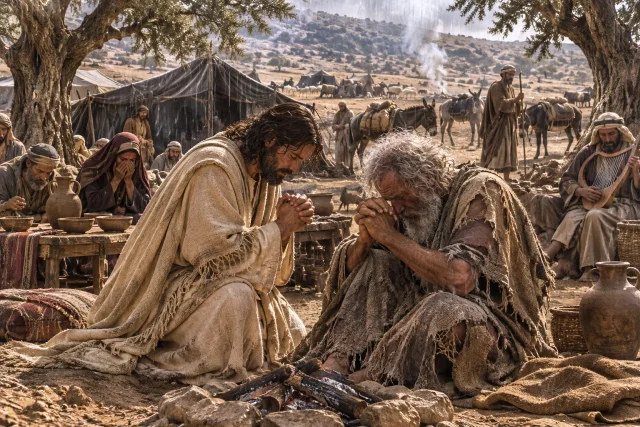
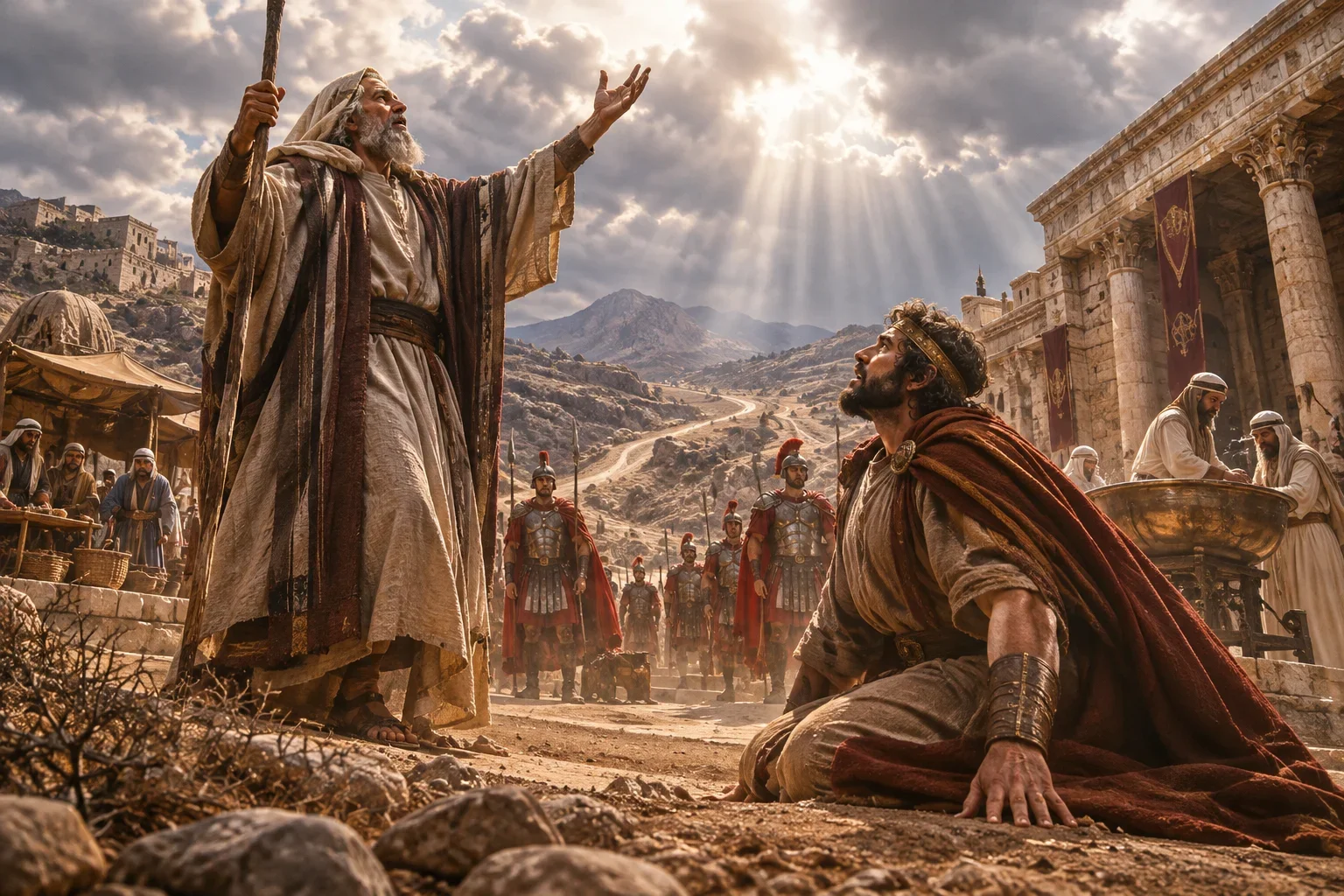
We have a problem, and it stinks of smoke from Gilgal. Saul stood beside an altar while his soldiers scattered and the Philistines gathered for war. Samuel had appointed seven days for Saul to wait, but Saul took matters into his own hands before Samuel arrived. The sacrifice he offered did not secure his throne; Samuel’s verdict cost Saul the promise of an enduring dynasty.
Let’s get real here: we still dress panic in religious clothes. A leader cuts corners, calls the decision necessary, and asks God to bless the finished work. A church protects a popular man while the people he harmed sit alone. A company prays before a meeting and then delays wages owed to the crew.
That is not biblical courage. It is fear wearing a hard hat and carrying a Bible. When power matters more than obedience, worship becomes a tool for keeping control. The people with the least power often pay for the shortcut.
At Gilgal, the danger was real. First Samuel 13 describes Philistine forces gathering near Michmash, while frightened Israelites hid in caves, thickets, rocks, pits, and cisterns. Saul’s remaining men trembled behind him. We should not pretend that waiting felt easy or that the threat existed only in his head.
But pressure did not erase God’s command. Saul had received an instruction through Samuel to wait for him at Gilgal, where Samuel would offer sacrifices and tell Saul what to do. On the appointed seventh day, with Samuel not yet there and the troops leaving, Saul ordered the burnt offering brought to him and offered it himself. Samuel arrived just as Saul finished.
Here is the elephant in the room: Saul wanted God’s favor without submitting to God’s word. His act looked religious, but his decision pushed aside the instruction he had received. The text does not say that every person who struggles to wait loses a kingdom. It tells us that Israel’s king faced a specific command and broke it when fear tightened its grip.
I know that grip. Before Christ saved me at thirty, I trusted what I could measure, schedule, and control. Owning a construction company has not cured the temptation to grab the controls when a job goes sideways. Saul’s altar asks a hard question: Am I obeying the Lord, or am I using religious activity to make my own plan feel safe?
God's Alternative Reality
But God! He does not build his kingdom on a ruler’s panic or a crowd’s approval. He calls his people to trust his word when the numbers look bad and the clock keeps moving. At Gilgal, that meant Saul had to wait for Samuel rather than force a religious act. The king’s authority had a boundary, and the Lord who gave Saul that authority had the right to set it.
Samuel’s verdict makes the cost plain. First Samuel 13:13–14 says:
“And Samuel said to Saul, Thou hast done foolishly: thou hast not kept the commandment of the LORD thy God, which he commanded thee: for now would the LORD have established thy kingdom upon Israel for ever. But now thy kingdom shall not continue: the LORD hath sought him a man after his own heart, and the LORD hath commanded him to be captain over his people, because thou hast not kept that which the LORD commanded thee.”
That is the promise in the title: Saul’s disobedience at the sacrifice cost him an enduring kingdom for his house. Samuel did not say Saul would stop breathing or leave the throne that afternoon. Saul continued to reign for years, but his dynasty would not continue as it might have. God would appoint another leader, a man after his own heart.
Do not turn that verdict into a neat formula for every setback. A lost contract does not prove God has rejected a contractor, and a delayed promotion does not prove a worker failed a secret test. Saul received a direct command for a particular moment in Israel’s history. The solid principle for us is that God does not excuse disobedience because the person doing it feels squeezed.
God’s alternative is not a world without danger. It is a people who refuse to make fear their foreman. They tell the truth when a lie would protect a paycheck. They care for the vulnerable when powerful people demand silence. They worship the Lord without treating prayer, money, or ceremony as a lever that makes him approve their choices.
Isaiah spoke of a coming ruler whose justice would reach people accustomed to getting pushed aside. Isaiah 11:4 says, “But with righteousness shall he judge the poor, and reprove with equity for the meek of the earth: and he shall smite the earth with the rod of his mouth, and with the breath of his lips shall he slay the wicked.” That vision points beyond Saul’s shaky rule to the righteous reign of Christ.
Picture a jobsite where the owner hears the newest laborer as readily as the superintendent. Picture a church where a frightened teenager can report abuse and adults act instead of protecting a reputation. Those scenes do not complete Isaiah’s promise, but they give us practical places to obey the King now. His coming kingdom exposes every throne we try to protect with smoke and excuses.
When Heaven Invaded Earth
The Spirit is moving: Scripture gives us a sharp contrast to Saul’s grasping. David received God’s promise of the throne, yet he spent years under threat from Saul before becoming king. In a cave, David found Saul vulnerable and had an opportunity to kill him. His men urged him to act, but David refused to raise his hand against the Lord’s anointed.
First Samuel 24:12 records David’s words to Saul: “The LORD judge between me and thee, and the LORD avenge me of thee: but mine hand shall not be upon thee.” David did not deny the danger or call Saul’s pursuit acceptable. He refused to seize the promised kingdom by murdering the man God had placed on the throne. Waiting did not mean approving injustice; it meant refusing a forbidden route to the outcome.
David was no flawless king. His later sins brought terrible harm, and he needed mercy as much as any man. Still, that cave gives us a real contrast: Saul reached for a sacrifice to secure his position, while David refused to kill to secure his. Both faced pressure. One treated the immediate outcome as permission to cross a line; the other left judgment with the Lord.
Jesus is the greater King, not merely a better version of David. He came announcing God’s kingdom, served people others cast aside, and gave his life for sinners. Hebrews 10:12 says, “But this man, after he had offered one sacrifice for sins for ever, sat down on the right hand of God.” Saul’s offering could not secure his throne; Christ’s finished sacrifice provides the ground for our forgiveness.
That distinction matters when guilt hits. We do not repair our standing with God by stacking up religious performances. We come to Jesus in repentance and faith, relying on his finished work. Then obedience grows from a real relationship with him, not from an attempt to purchase his favor.
I have watched that truth hit a man hard. A father in our Sunday school group admitted that he had hidden debt from his wife and covered the fear with extra church activity. He stopped pretending, brought the statements home, and asked her forgiveness. Their repair took time and outside financial help, but the truth gave them a solid place to start.
Across history, believers have also acted together against entrenched wrong. Christians joined the campaign to abolish the British slave trade, pressing Parliament for years before the 1807 act. That law did not end slavery throughout the empire or erase the damage. It does remind me that faithful action can demand long work without a quick victory.
The Price of Prophet
Can you see it? Obedience can cost you something before it clears anything up. Saul saw men leaving and feared an enemy attack. A contractor who refuses to falsify an inspection report may lose a contract; an employee who reports wage theft may face retaliation. God never promises that a clean conscience makes the next paycheck automatic.
Waiting also costs pride. When I have made a bad estimate, I want to fix the problem before anyone sees it. The honest move may be calling the customer, admitting the numbers, and accepting a hard conversation. A prayer before that call matters, but prayer does not replace telling the truth.
At home, the price can land close. A father who admits he lied about money cannot demand instant trust from his wife or teenagers. He has to answer questions, change habits, and accept that rebuilding takes time. I tell the men I teach that an apology is not a magic fastener; it starts the repair, and consistent work follows.
Some believers face threats, imprisonment, or violence for following Christ. Others face quieter pressure to keep quiet about exploitation or to join a dishonest deal. We should not pretend every awkward conversation equals persecution. We should also refuse to call compromise wisdom simply because obedience carries a cost.
There is a difference between biblical waiting and dangerous delay. If someone faces abuse, a medical emergency, or an unsafe worksite, seek safety and qualified help now; call emergency services when needed and use appropriate medical, legal, or workplace channels. Saul had a specific command to await Samuel, not a license for us to ignore preventable harm. Faithfulness may require immediate action to protect a neighbor.
Christ calls us to take up the cross, not to manufacture suffering or make ourselves heroes. Sometimes the costly step is public; sometimes it is a private confession nobody applauds. Either way, we do not earn salvation by paying the price. We follow the Savior who paid for our sins and calls us to obey him.
Rise Up O Sleeper
Here’s the bottom line: do not build an altar over a decision you already know defies God’s word. This week, name the pressure driving you. Write down the choice in front of you, the shortcut tempting you, and the person who could suffer if you take it. Bring that list to the Lord in prayer before you act.
Then put a real person beside you. Tell a mature believer the truth and invite a direct question: “What part of this plan am I trying to hide?” If money is tight, open the bills with your spouse or a trusted adviser rather than inventing a story. If a health concern has you frightened, make the appointment and tell someone who can support you.
On a construction crew, that might mean stopping a pour when the inspection has not cleared, even with a concrete truck rumbling at the gate. Call the inspector, tell the customer, and document the delay. Do not lead a prayer for safety and then order the crew onto a site you know is unsafe. Worship and obedience belong on the same foundation.
At the grocery store, financial pressure can make every price on the shelf feel personal. A parent may stand under cold case lights, calculator open on a phone, deciding which items go back. If you have room in your budget, ask a local food pantry what it needs and give what it can use. If your household needs help, ask without shame; receiving practical care is not a failure of faith.
In your neighborhood, pay attention to the person whose wages have gone unpaid or whose landlord ignores a dangerous repair. Listen before you promise anything, then help that person find a worker center, tenant organization, or appropriate local agency. A small group can share rides, document concerns with permission, and stand beside a neighbor at a meeting. Do not use another person’s trouble as a stage for your own reputation.
Church leaders, examine the systems that reward a strong image and punish honest reports. Publish a clear process for raising concerns, involve qualified outside authorities when the law or safety requires it, and protect people from retaliation. A good policy is not the whole job; leaders must follow it when the accused person has friends and influence.
Rise up, church. Put down the tools of panic, tell the truth, and follow Jesus on solid ground. His kingdom is not built by men who force God’s hand, but by the King who gave himself for his people and will reign in righteousness.
Prophetic: Where are fear and the need to protect a position pushing you or your church toward Saul’s shortcut?
Action: What specific decision will you bring into the open this week, and whom will you ask to hold you accountable?
Relational: How will your small group stand with a neighbor facing an unsafe workplace, financial pressure, or another concrete need?
Continue Your Bible Study
Explore more lessons and deepen your understanding of scripture
View All Lessons Ask AI a Question