David's Psalms and Finding Solace in Faith

Psalms of David and the Subversive Kingdom
The Way of the World
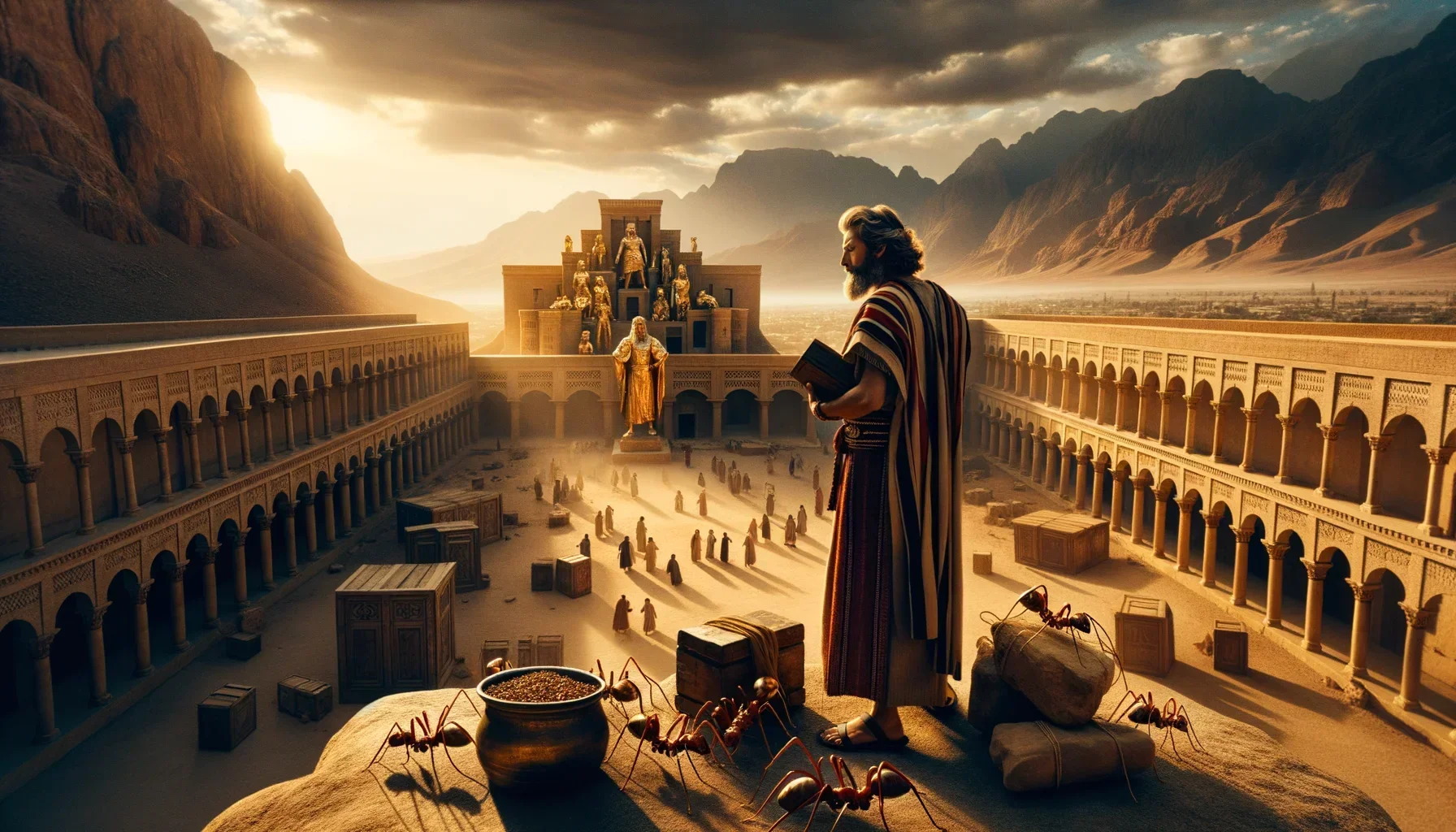
In today's world, noise and chaos rule the day. Success is measured by material wealth, power is wielded through intimidation, and peace is a fleeting illusion. People hustle from dawn till dusk, lost in the pursuit of things that fade. The world tells us to climb the ladder of success, even if it means stepping on others. It celebrates the loudest voices, the strongest muscles, and the fattest wallets.
Enter the office of a corporate giant and you'll see it. The pressure to perform, the expectation to excel at any cost. In the streets, it's the same story. The blaring of horns, the rush to nowhere, and the endless jostling for position. Even in our homes, screens bombard us with images of what the "good life" looks like. A life that often excludes the poor, the marginalized, and the brokenhearted.
Power dynamics are skewed. Those at the top dictate the rules, while those at the bottom struggle to keep their heads above water. Our culture worships individualism and self-reliance, leaving little room for community and collective well-being. It's a world that values appearances over authenticity, and results over relationships.
But in this cacophony, where is the space for reflection? Where is the room for the gentle whisper of God? The Psalms of David often fall on deaf ears in a world that equates silence with weakness. Can a song composed in solitude speak to a world drowning in noise?
This is the empire we face. A culture that demands more—more speed, more noise, more self. But the kingdom...
The Divine Disruption
But the kingdom! The kingdom of God disrupts the worldly norm with radical simplicity and profound quietness. The Psalms of David point to a different reality, one where God's presence is a balm for the soul amidst life's storms. In Psalm 23, David declares, "The Lord is my shepherd; I shall not want. He makes me lie down in green pastures. He leads me beside still waters. He restores my soul." This is a revolutionary picture of peace that confronts the frantic pace of our modern lives.
Where the world idolizes strength, the kingdom elevates meekness. Jesus, in his Sermon on the Mount, proclaimed, "Blessed are the meek, for they shall inherit the earth." This is a kingdom that turns power dynamics upside down. It dares to say that the last shall be first, and the first shall be last. This is not a call to passive existence, but a call to radical trust in God's power to transform.
The Psalms teach us to cry out to God in our distress, knowing that He hears and responds. In Psalm 34:17, David reminds us, "When the righteous cry for help, the Lord hears and delivers them out of all their troubles." Unlike the world that dismisses vulnerability as weakness, the kingdom sees it as a place of divine encounter. It's in our brokenness that God's strength is made perfect.
Spiritual gifts play a crucial role here. In the kingdom, the Holy Spirit empowers us to live beyond worldly limitations. The gift of prophecy, for instance, calls forth God's truth amidst lies. Divine healing restores what the world deems irreparable. The presence of the Spirit transforms the Psalms from ancient songs to living testimonies of God's unending love and power.
Everything changes when we embrace this divine disruption. The Psalms of David are not just poetic relics; they are calls to live in God's revolutionary peace amidst chaos. A peace that surpasses understanding, a joy that defies circumstances, and a love that casts out fear.
The Beautiful Scandal
The revolution looks like a scandal in the eyes of the world. The gospel's message is one of beautiful absurdity—strength found in weakness, victory in surrender, life through death. The cross, at its heart, is foolishness to those who are perishing, but to us who are being saved, it is the power of God.
The Psalms echo this scandalous truth. They invite us into a space where lament becomes a form of protest against injustice, and worship is an act of defiance against despair. In Psalm 22, David cries, "My God, my God, why have you forsaken me?" Yet, this lament turns to trust as he declares, "They shall come and proclaim his righteousness to a people yet unborn, that he has done it."
This is the paradox of the kingdom. The world sees defeat in the crucifixion, but the resurrection reveals ultimate victory. The Psalms carry this tension—a tension that invites us to see beyond the immediate, into God's eternal purposes. When viewed through the lens of the Spirit, these ancient songs become the soundtrack of a divine revolution.
Why does weakness as strength offend the world? Because it challenges the empire's narrative of self-sufficiency. The Psalms remind us that true power lies not in exertion, but in submission to God's sovereignty. This is the scandal of faith—that i
Continue Your Bible Study
Explore more lessons and deepen your understanding of scripture
View All Lessons Ask AI a Question