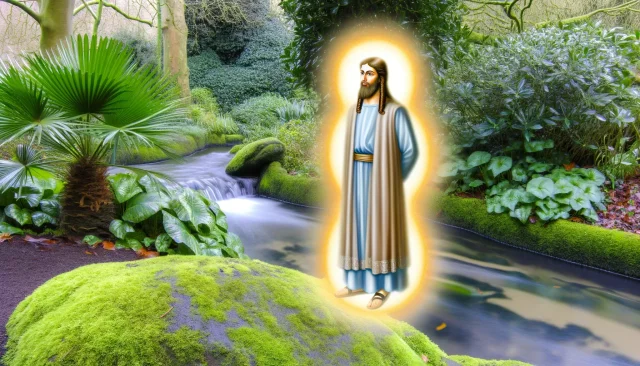
Calamus in Scripture and its Symbolic Significance

The Scent of Holiness Calamus in the Bible
Imagine yourself in an ancient market, the air thick with the mingling aromas of spices and incense. Among them, the sweet and earthy fragrance of calamus, a precious and sacred plant mentioned multiple times in the Bible. In Exodus 30:23, calamus is part of the holy anointing oil, a key component in setting apart the sacred from the ordinary. Theologically, calamus represents the sanctification process, marking objects and people as holy for God’s purposes. The doctrine of sanctification speaks of our transformation into holiness, a journey where we, as believers, are set apart by God's grace.
This sacred spice invites us to picture the symbolic, yet tangible, presence of God in our lives. The ancient Israelites used calamus not only for its fragrance but as a physical reminder of God's holiness and their call to reflect that holiness in their daily walk. Calamus, therefore, is more than a plant; it is a symbol of the divine presence invading our world, a fragrant echo of God’s holiness saturating the lives of His people. This leads us to the core of our confession: We believe in a God who sets us apart, inviting us into a transformed life through His Spirit.
Calamus in the biblical narrative illuminates the intricate process of being made holy, a process grounded in God’s will. The Old Testament use of calamus in sacred rituals reminds us of the importance of being consecrated, having a life marked by the scent of the divine. As we engage with the concept of sanctification, we recognize that God's desire is for His people to be a fragrant offering, living testimonies of His grace and holiness. The truth confessed is that God's sanctifying work in our lives is both a present reality and a future hope.
Truth in Flesh and Blood
But bodies complicate things: The idea of holiness can seem abstract until we ground it in our physical reality. Picture a potter at work, hands covered in clay, shaping and molding. This is the image of God’s sanctifying work in us. We are not ethereal beings; we live, breathe, and move within physical limitations. Our bodies, much like the calamus plant, are earthy and rooted in the soil of this world. The embodiment of holiness requires us to engage with our bodies’ needs and limitations.
Calamus, with its vibrant green leaves and hearty roots, grows in marshy areas—a plant of resilience and adaptation. Just as calamus thrives in its environment, we are called to embody holiness in our physicality, adapting to life’s challenges while remaining rooted in faith. This involves seeing our physical practices as acts of worship, whether in how we care for our health, the food we consume, or the way we engage in movement and rest. Our bodies are not merely vessels; they are integral to our spiritual journey.
The aroma of calamus in the holy anointing oil was a constant, tangible reminder to the Israelites of God’s presence and their identity as His chosen people. Today, this translates into practices that honor our bodies as God’s temple. It might mean embracing the art of slow living, finding rhythms that honor God through rest, or engaging in physical activities that bring joy and health. As we navigate life’s physical demands, we remember that our bodies are the sacred space where God’s Spirit dwells, making every touch, every breath, an opportunity to express holiness.
The physical embodiment of holiness is about balance and intentionality. It calls us to be mindful of how we treat our bodies, recognizing them as a gift from God. By integrating spiritual practices into our daily routines, we allow the sanctifying work of the Spirit to transform us from the inside out. We are reminded that just as calamus was painstakingly gathered and prepared, our journey towards holiness involves effort, care, and the grace of God shaping us into His image.
Truth in Relationship
In real life: Relationships are the crucible where holiness is tested and refined. Just as calamus was used in the anointing oil to consecrate the priests for service, our interactions with others serve as opportunities for sanctification. Picture yourself at a family gathering, the laughter mingling with moments of tension, a dance of emotions and histories intertwined. Here, the call to embody holiness is lived out through patience, kindness, and forgiveness.
Our relationships often reveal the rough edges of our character, the places where God’s sanctifying work is most needed. Imagine a heated argument with a friend, where words spoken in haste leave wounds that need healing. These moments, though challenging, become spaces where God’s grace can abound, where the fragrance of holiness can rise through acts of reconciliation and love. The biblical principle of loving one’s neighbor as oneself (Mark 12:31) becomes a lived reality, an ongoing challenge to reflect God’s love in tangible w
Continue Your Bible Study
Explore more lessons and deepen your understanding of scripture
View All Lessons Ask AI a Question