Beauty and Identity Through Biblical Wisdom
Plastic Surgery and the Holy Meaning of the Body
When Everything Falls Apart
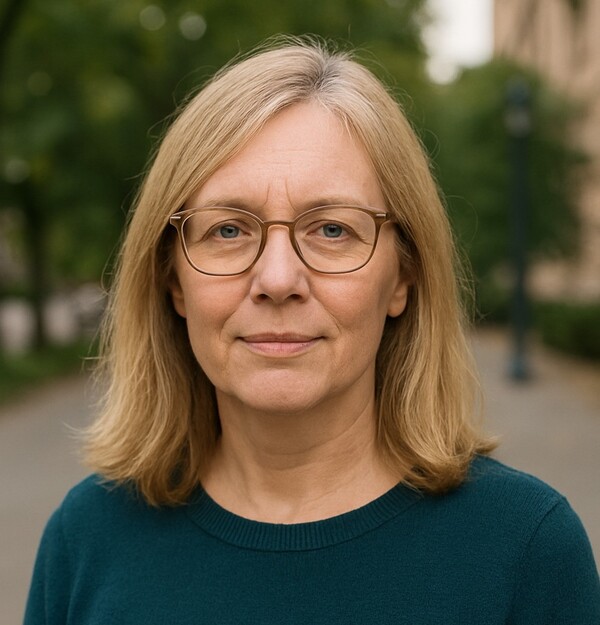
The fluorescent light in the dermatologist’s office hums above her while she pinches the loose skin beneath her chin and stares at the before-and-after photos sliding across an iPad. Outside, rain streaks the parking lot, and her phone keeps buzzing with school pickup alerts, a low checking account warning, and a text from her husband that reads, “We need to talk tonight.” She is forty-two, recently laid off from a hospital administration job, and she cannot shake the feeling that her face has become another place where life’s losses are now visible. In the midst of chaos, God whispers, but in this moment all she hears is the sales pitch for injectables, eyelid surgery, and a payment plan.
I know that ache more than I want to admit. After leaving corporate life, I looked in the mirror during one exhausted Lent and barely recognized myself. Between diaper changes and dishes, between homeschooling math and folding socks warm from the dryer, I saw the tired eyes, the stretch marks, the deepening lines that seemed to announce to the whole world that I was no longer the polished woman in heels who knew exactly how to command a boardroom. The kitchen table became an altar, yes, but it was also the place where I scrolled through med spa accounts after midnight, wondering whether changing my face might quiet the unrest in my heart.
Plastic surgery sits in a tender, complicated place because bodies carry grief, trauma, hope, and memory. A woman who had reconstructive surgery after breast cancer is not standing in the same emotional place as a teenage girl comparing herself to filtered TikTok faces. A father fixing a cleft palate for his son is carrying a different burden than a man chasing youth because he fears becoming invisible at work. In my neighborhood, I hear these stories at soccer practice, in the grocery store checkout line, and during whispered conversations after Mass while toddlers tug on mantillas and sleeves. The body is never just a body in our culture; it becomes résumé, currency, apology, shield.
Then there is the deeper wound: the suspicion that if we were more beautiful, more symmetrical, more toned, we might be more loved. That lie sneaks into traffic jams, marriage arguments, and dressing room mirrors under bad department store lighting. It slips into recovery rooms and cosmetic consults and even into good desires for healing. Plastic surgery can be an act of restoration, or it can become an altar where fear and vanity ask for sacrifice. Ay, corazón, this is why the question stings so sharply: what are we really asking to be remade, the face in the mirror or the heart beneath it?
Ancient Cries Timeless Pain
Scripture never treats human pain as neat or polished. Job sits in the ashes with his skin broken open, his household shattered, and his public dignity gone. His suffering is not cosmetic, yet it is bodily, visible, humiliating. He cries out in Job 19:26,
That line catches in my throat because Job does not pretend the body is irrelevant. He names torn flesh and still clings to the hope that God meets him there, not apart from embodiment but within it.“And after my skin has been thus destroyed, yet in my flesh I shall see God.”
David knew what it meant to feel exposed before the eyes of others. Betrayed by his own son, hounded by enemies, grieving his sins, he brought his disfigured interior life before the Lord with astonishing honesty. In Psalm 51:10 he pleads,
David asks for renovation deeper than appearance. He is not begging for a better image; he is crying for a heart made new. That distinction matters when a woman books a consultation because she feels old, discarded, or unseen after divorce papers land on the counter beside the coffee maker.“Create in me a clean heart, O God, and put a new and right spirit within me.”
Hannah’s anguish also belongs here. Her wound is not about physical beauty, yet it is bound to the body and to public shame. Year after year she carries the ache of barrenness, and the ache spills into tears at the sanctuary. First Samuel 1:10 says,
I think of women who carry scars from emergency C-sections, mastectomies, burns, acne, or massive weight loss, and who stand in front of mirrors with that same bitter weeping. The ancient cry is not only, “Fix my face.” It is, “Lord, what do I do with a body that feels marked by sorrow?”“She was deeply distressed and prayed to the Lord, and wept bitterly.”
Then there is the mysterious tenderness of the Song of Songs, where the beloved is addressed with delight rather than inspection. The biblical imagination does not despise beauty. It receives beauty as gift, as a glimmer of divine generosity, not as a tyrant demanding endless self-editing. The saints knew this tension. Saint Agatha carried violence in her body. Saint Josephine Bakhita bore the marks of enslavement. Saint Charles of Mount Argus reportedly had a visible facial disfigurement, yet holiness radiated through him with a beauty no surgeon could craft. Finding Christ in the mundane also means finding him in faces that age, scar, heal, and tell the truth.
Because of this, the biblical world feels startlingly close to our own. Human beings have always brought wounded bodies, public shame, and longing for restoration before God. The mirrors are newer now, the procedures more advanced, the pressure amplified by ring lights and selfie cameras, yet the cry remains the same: “Can I still be loved in this flesh?”
The Unbreakable Promise
This changes everything: God’s covenant response to bodily sorrow is not disgust, and it is not indifference. From the first pages of Scripture, the body is spoken into goodness. Genesis tells us humanity is made in the image of God, and that truth hangs over every question about plastic surgery. The body is not raw material for endless self-reinvention; it is a received gift, sacred even in its frailty. My vocation as mother teaches me this every Ash Wednesday, when I press tiny foreheads forward in the Communion line and remember that dust is not an insult. Dust touched by God becomes holy.
The covenant deepens when the Lord binds himself to a people who carry visible marks in their flesh. Circumcision, an embodied sign, says that God’s promises are not floating ideas. They are inscribed in real human lives. Then the prophets begin to speak into shame and desolation with language that reaches beyond appearance. Isaiah 43:1 gives a promise tender enough to hold every woman in a recovery room and every man afraid of his changing face:
Created, formed, redeemed, named. Not edited into worthiness. Claimed in love.“But now thus says the Lord, he who created you, O Jacob, he who formed you, O Israel: ‘Do not fear, for I have redeemed you; I have called you by name, you are mine.’”
Isaiah also carries a startling prophecy about the Messiah:
Our Lord enters a world obsessed with visible power, and he does not arrive wrapped in conventional attractiveness. He takes on a body capable of fatigue, bruising, blood, and scars. In the Passion, beauty is not erased; it is transfigured through sacrificial love. The resurrected Christ still bears wounds. That matters profoundly. The glorified body of Jesus is not airbrushed. Thomas touches scarred flesh, and mercy pours through it.“He had no form or comeliness that we should look at him, and no beauty that we should desire him” (Isaiah 53:2).
Then Saint Paul takes us even deeper. In First Corinthians 6:19-20 he writes,
A temple is not disposable. A temple is tended with reverence. That means some forms of plastic surgery can fit within Christian freedom when they serve healing, restoration, or proportionate care for real suffering. Reconstructive surgery after an accident, a childhood deformity corrected, a procedure that eases profound psychological distress after careful discernment—these can be acts of stewardship. Yet when surgery becomes a compulsive attempt to secure identity, desirability, control, or social status, the covenant calls us to pause. The body cannot bear the weight of being our savior.“Or do you not know that your body is a temple of the Holy Spirit within you, which you have from God, and that you are not your own? For you were bought with a price; therefore glorify God in your body.”
The Church’s sacramental imagination helps here. Water in Baptism, oil in Confirmation and Anointing, bread and wine on the altar—God uses matter to communicate grace. He does not bypass the body. At the same time, sacraments reveal that transformation begins as gift, not self-manufacture. Santa María, our Mother, received rather than seized. Her fiat is the opposite of frantic self-construction. She teaches me to ask before any bodily change: am I acting from peace, truth, and right order, or from fear dressed up as self-care?
When Christ fulfills the covenant, he does not promise wrinkle-free skin or cultural approval. He promises resurrection. Romans 8:11 declares,
That is the unbreakable promise. Our bodies are destined not for contempt, not for obsession, but for glory.“If the Spirit of him who raised Jesus from the dead dwells in you, he who raised Christ Jesus from the dead will give life to your mortal bodies also through his Spirit which dwells in you.”
The Sacred Transformation
Here’s where it gets revolutionary: the movement from crisis to covenant trust often begins in very ordinary rooms. Not in a dramatic retreat house chapel, though gracias a Dios for those, but in a bathroom with harsh morning light, in a surgeon’s waiting room, in a minivan idling outside Target while children argue over granola bars. The first step is honest naming. I have to say what I want changed and why. Am I seeking repair after injury, relief from a burden that genuinely hinders daily life, or am I begging a scalpel to heal rejection, aging, envy, or loneliness?
The second step is sacramental discernment. Bring the question to Confession. Bring it to Eucharistic adoration. Bring it to a wise priest, a faithful friend, maybe even a Catholic therapist if body image wounds run deep. I think of Saint Ignatius and the movements of consolation and desolation, though I hold them with my Marian heart. Does the decision leave a settled peace, or a frantic buzz that feels suspiciously close to compulsion? In the midst of chaos, God whispers, and his whisper is rarely manipulative or shaming.
The third step is practical truth-telling. If finances are strained and the credit card is already carrying groceries, braces, and the surprise car repair from last month, adding elective surgery may not be prudent stewardship. If a husband and wife are fighting, and one spouse quietly hopes a new face or body will restore intimacy, that sorrow needs deeper tending. The kitchen table became an altar in my home when my husband and I started praying before big decisions, even awkward ones. We lit a candle, opened the Sunday readings, and asked the Lord to purify our motives before we signed anything.
The fourth step is reclaiming the body as offering. That can mean caring for it well with sleep, nourishing food, movement, modesty, and gratitude. It can also mean receiving legitimate medical or reconstructive care without false guilt. Catholic tradition is not allergic to medicine; we honor physicians, hospitals, and the corporal work of mercy. Saint Gianna Molla, a doctor and mother, reminds us that bodily care can be grace-filled and holy. The question is not whether intervention is always wrong. The question is whether the intervention serves love, truth, and human dignity.
Then comes a hidden discipline I return to often: blessing what I am tempted to criticize. I place my hand on the scar, the lined forehead, the soft stomach that carried babies, and I pray, “Lord Jesus, this body belongs to you.” Between diaper changes and dishes, that prayer has steadied me more than any serum ever could. Covenant trust does not erase every insecurity overnight. It teaches the heart to kneel before God rather than before the mirror.
Living as Covenant People
When we begin to live as covenant people, beauty loses its tyranny and regains its proper place as gift. A woman in my parish underwent breast reconstruction after cancer, and she spoke about it not as vanity but as restoration after violence to the body. Another friend canceled a cosmetic procedure during Advent because she realized she was seeking relief from grief after her mother’s death, not from her actual nose. Their decisions were different, yet both became holy because both were brought into the light. That is what changed perspectives look like in real life.
At the grocery store, covenant living may mean refusing the spiral that starts in the freezer aisle when you catch your reflection in the glass and feel suddenly old. In traffic, it may mean turning off the front-facing camera at a red light and praying a Hail Mary instead of zooming in on every flaw. In neighborhood conversations, it may mean speaking about aging, surgery, and self-care with tenderness rather than gossip or smugness. Finding Christ in the mundane means these tiny moments become places of surrender.
I think of the liturgical year as medicine for our image-obsessed age. Lent teaches me that repentance is more urgent than reinvention. Easter proclaims that wounds can shine. The feast days of saints with scarred, tired, weathered bodies preach a better gospel than filtered celebrity culture. Santa Teresa of Calcutta did not hide her age in order to radiate Christ. Saint Bernadette’s frail body became a vessel of grace. Their witness keeps calling me back to what is sacred.
So this is my declaration: Lord Jesus, my body is not my master and not my enemy. It is your handiwork, marked by time, capable of suffering, destined for resurrection. If healing is needed, grant wisdom. If restraint is needed, grant courage. If hidden wounds are driving visible choices, bring them into your merciful light. And over every person wrestling with plastic surgery, I pray the covenant promise aloud: you are created, named, and claimed by Love himself, and no scalpel can improve upon the dignity already spoken over you by God.
What parts of your story reflect the deepest truth about your body, and where are you still asking appearance to carry pain that belongs at the feet of Christ?
Where is God calling you to confront motives, seek counsel, or make one concrete choice about plastic surgery with greater reverence and honesty this week?
How might your home, parish, or circle of friends become a prophetic witness against a culture that trades human dignity for polished images?
Continue Your Bible Study
Explore more lessons and deepen your understanding of scripture
View All Lessons Ask AI a Question