Amasa and His Role in David's Kingdom and Leadership

Amasa in the Bible
From head to hands. We confess a truth that shakes the very foundations of our existence: God’s power is not merely an abstract concept, but a radical presence that transforms lives. The Holy Spirit, that divine breath, breathes life into the bones of our faith. We see this in the story of Amasa. Amasa was called to lead, but he was also human—flawed and fragile. In his story, we find not just an ancient narrative but a call to recognize the Spirit's action in our lives. It’s a bold proclamation of God’s willingness to empower us in our weaknesses. Our creeds affirm that the Spirit equips us with spiritual gifts, that we might do justice, love mercy, and walk humbly. Amasa's life reminds us that leadership is not just about authority, but about being filled with the Spirit to serve a greater purpose. As we reflect on Amasa, let us remember that God chooses the underdog. He honors those who rise from the dust of the streets, shaped by struggles and courage. Despite our limitations, the Spirit activates our call and empowers our service in the kingdom. This is the theological truth we confess.
Truth in Flesh and Blood
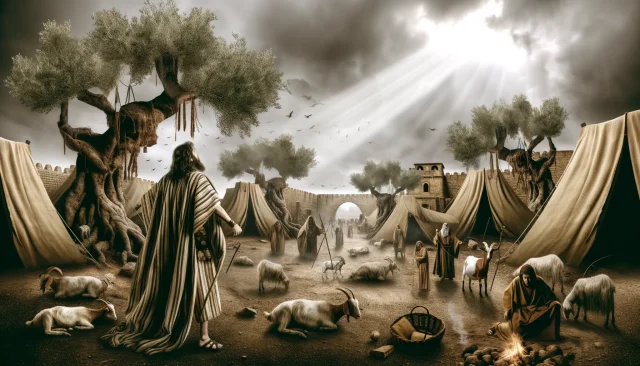
But bodies complicate things. Amasa was not just a name in the annals of Scripture; he was a body in a world of conflict. His experiences embody the struggles of leadership amid betrayal and violence. Picture the weight he carried as he navigated the treacherous waters of loyalty and power. A leader in battle, Amasa felt the heat of the sun beating down on his brow as he rallied his troops. The sweat on his forehead was not just a sign of physical strain but of spiritual burden. He was a man of flesh and blood, encountering the harsh realities of life, much like you and me today. In our urban neighborhoods, we feel the weight of systemic injustice, the challenges of poverty, and the sting of violence. We bear the scars of our struggles—just like Amasa. Our bodies experience fatigue, pain, and doubt. Yet, in our vulnerability, the Holy Spirit moves. Through prayer, communal meals, and acts of service, we allow the Spirit to work through us. When we embrace our limitations, we invite God’s power into our lives. Amasa’s story urges us to recognize that God loves to show His strength through our weakness. God’s Spirit is not just a distant whisper but a tangible force that reveals itself in our very physicality.
Truth in Relationship
In real life, relationships challenge us to embody the truths we confess. Amasa’s leadership was shaped by the people around him—his allies, adversaries, and the communities he served. Imagine Amasa surrounded by his family, feeling the tension of expectations and the weight of his role. There stood his cousin Absalom, whose ambitions threatened the very fabric of their kinship. The emotional landscape was fraught with loyalty and betrayal, love and resentment. The Spirit speaks in these relationships, revealing our hearts and our true selves. How often do we find ourselves in similar circumstances, navigating family dynamics and church communities? There are moments when we must confront uncomfortable truths, even when it means addressing difficult people. It’s easy to love those who love us back, but the challenge lies in extending grace to those who hurt us. This is where the Spirit becomes our counselor, urging us to embrace radical forgiveness and love. When we engage with those around us, we invite the kingdom to manifest right where we are. Like Amasa, we can rise, empowered to make amends, bridge divides, and transform conflict into communion. Our relationships become the living testament of God’s transformative power.
Truth at the Kitchen Sink
When rubber meets road, the mundane becomes sacred. Amasa’s life teaches us that leadership occurs not only on the battlefield but also in everyday tasks. Picture Amasa waking up before dawn, preparing for a long day of strategic meetings and troop formations. The aroma of fresh bread fills his kitchen as he gathers strength for the battles ahead. It’s in these moments—at the kitchen sink, washing dishes, or sharing meals with family—that the Spirit whispers. The kingdom demands more than comfort; it calls us to see the sacred in the ordinary. When we do our grocery shopping, we encounter people from different walks of life. Each interaction can be an opportunity for grace, a moment to embody love and justice. In our workplaces, when we deal with stress or conflict, we can choose to reflect Christ’s character in our communications. God meets us in our routines—our morning coffee, our commutes, and our chores. What if we saw these moments as holy ground? Amasa’s story invites us to reconsider how we approach our daily lives. Each mundane task carries the potential for the extraordinary when infused with the Spirit’s presence. We are agents of change, transforming the ordinary into the sacred.
The Whole-Life Gospel
The in
Continue Your Bible Study
Explore more lessons and deepen your understanding of scripture
View All Lessons Ask AI a Question