Micah's Call for Social Justice and Mercy in Troubled Times

Prophet Micah: Social Justice and Mercy
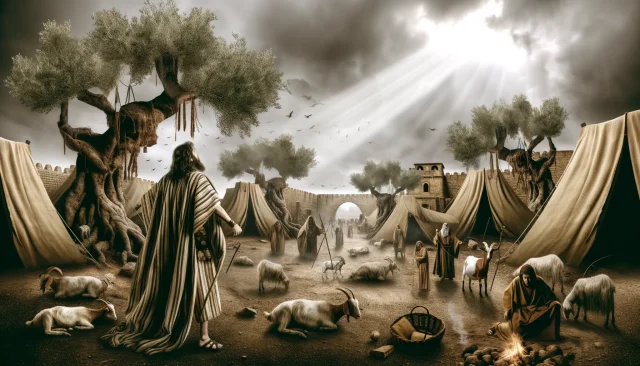
The world spins in chaos. Power dynamics twist and turn like a game of chess, where the pawns—those without voice—are sacrificed for the shiny pieces above. Micah, a prophet from the rural village of Moresheth, stood at the intersection of reality and divine revelation, confronting the systemic injustices of his time. He called out the elite of Judah, who feasted while the marginalized starved. He saw the corruption in the courts, the exploitation of the poor, and the worship of false idols. His prophetic voice challenged a society that had traded mercy for materialism and justice for power. How often do we scroll through our feeds, liking posts on social justice, yet remain silent in our spheres of influence? The elephant in the room is clear: Injustice and apathy plague our cities and communities, echoing the cries Micah heard in his day. Systemic injustice, church compromise, and cultural idolatry are rampant. We are left to wonder: how long will we let the voices of the oppressed be drowned by the clatter of our privilege?
But God! He was not silent then, and He is not silent now. God’s alternative reality bursts through the darkness—a kingdom where justice and mercy are not just buzzwords but the very essence of life. Micah envisioned a day when nations would beat their swords into plowshares (Micah 4:3). Picture a world where mercy triumphs over judgment, where the oppressed are lifted up, and where love reigns supreme. The prophet proclaims that God will gather His people and take them to a place of peace and plenty, contrasting the brokenness of man with the wholeness of God’s reign. In this kingdom vision, accountability and compassion coexist, and mercy is the operating system of society. We see glimpses of this reality in the Sermon on the Mount, where Jesus turned conventional wisdom upside down, inviting the poor in spirit and those who mourn to receive God’s blessing (Matthew 5:3-4). This is not a distant dream; it is a present reality that we are called to manifest in our daily lives.
Can you see it? Throughout history, there have been moments when heaven invaded earth, moments that echo Micah's prophetic vision. The abolition of slavery was not just a legal shift; it was a spiritual awakening that called Christians to act against injustice. Figures like William Wilberforce and Harriet Tubman understood the cost of discipleship and answered the call to action, transforming countless lives. Today, movements like Black Lives Matter and the fight for immigrant rights echo the same prophetic challenge Micah presented. The Spirit is moving, igniting passion for social justice in the hearts of believers across the globe. When we reflect on our own lives, how many times have we felt the stirrings of the Spirit urging us to stand for what is right? Revivals and social movements remind us that God is still active, still calling His people to rise up and embody His mercy.
The price of the prophet is steep. Micah faced hostility from the very people he sought to save. He was labeled a traitor, a troublemaker, for speaking out against the powerful. Living the vision of justice and mercy means embracing sacrifice and discomfort. It means reassessing how we live, work, and relate to others. Are we willing to face persecution for the sake of righteousness? Will we risk our comfort on the altar of justice? The call to discipleship is not for the faint of heart; it requires a radical reorientation of our priorities. It may mean redefining relationships, altering our lifestyles, and stepping into spaces that challenge us. If we are truly to follow Micah's example, we must carry the burden of the marginalized and let love compel us to action.
Rise up, O sleeper! It is time to activate our faith in tangible ways. How can we translate Micah’s vision into concrete actions? Start by engaging with your local community. Organize food drives, advocate for justice in your neighborhood, or support programs that uplift the marginalized. Consider attending town hall meetings to voice your concerns about local policies affecting the vulnerable. Engage in meaningful conversations with those who hold different perspectives, seeking to understand rather than to win. Ask yourself, "What does it look like to live out justice and mercy in my everyday life?" These actions, no matter how small, can ripple out to create a wave of change. The kingdom of God is not merely a future hope; it is a present responsibility.
What empire patterns need subverting in your context? How could your community embody this truth about justice and mercy in practical ways? Who will you invite into this movement of grace?
Continue Your Bible Study
Explore more lessons and deepen your understanding of scripture
View All Lessons Ask AI a Question