Tuesday, October 13, 2026
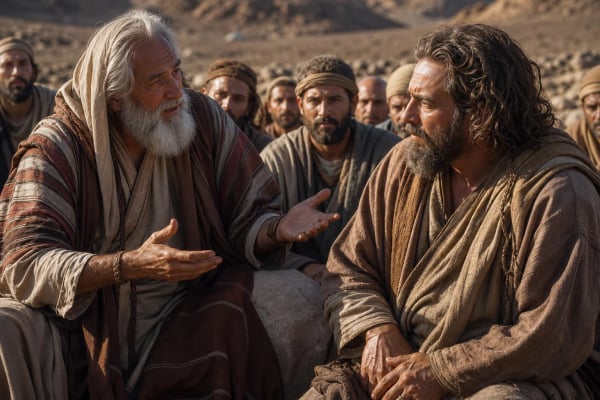
Good morning. Today we sit beside Moses as Jethro watches him carry the people’s disputes alone and offers a wiser way to lead.
Today's Verse
"And Moses' father in law said unto him, The thing that thou doest is not good. Thou wilt surely wear away, both thou, and this people that is with thee: for this thing is too heavy for thee; thou art not able to perform it thyself alone. Hearken now unto my voice, I will give thee counsel, and God shall be with thee: Be thou for the people to God-ward, that thou mayest bring the causes unto God: And thou shalt teach them ordinances and laws, and shalt shew them the way wherein they must walk, and the work that they must do. Moreover thou shalt provide out of all the people able men, such as fear God, men of truth, hating covetousness; and place such over them, to be rulers of thousands, and rulers of hundreds, rulers of fifties, and rulers of tens: And let them judge the people at all seasons: and it shall be, that every great matter they shall bring unto thee, but every small matter they shall judge: so shall it be easier for thyself, and they shall bear the burden with thee. If thou shalt do this thing, and God command thee so, then thou shalt be able to endure, and all this people shall also go to their place in peace."— Exodus 18:17-23
Reflection
Jethro did not criticize Moses from a distance; he watched the long line, saw one man carrying every dispute, and named the problem plainly: this is not good. Then he proposed a structure—teach, appoint, delegate, endure. Discernment often looks like that in ordinary life: noticing what is unsustainable, separating what only you must do from what others can share, and changing your pattern before exhaustion becomes your routine.
Discernment is the courage to name what is too heavy and to reorder it wisely before it breaks you.
1-Minute Study: Understanding discernment
Discernment is not mere caution, and it is not quick efficiency. In Exodus 18, it is Jethro’s ability to observe reality truthfully: Moses is faithful, but his method is crushing him and delaying help for the people. Jethro distinguishes between Moses’ true calling and Moses’ unnecessary overload. Moses must bring the hard causes to God, teach the people, and oversee justice; he does not need to answer every minor dispute personally. That is discernment—knowing the difference between responsibility and overreach. Scripture shows this same wisdom elsewhere. Solomon asked for “an understanding heart” to judge rightly, not simply more strength. In the Acts of the Apostles, the apostles appointed others to handle daily distribution so prayer and the ministry of the word would not be neglected. In autumn, discernment can look like pruning a calendar, clarifying roles at work, or asking for help in caregiving, so the work remains faithful and sustainable.
Cross References: 1 Kings 3:9 • Acts 6:2-4 • Proverbs 15:22
Prayer of the Day
Lord God, You let Jethro see what Moses could not see alone. Give me that kind of discernment: honest eyes, a teachable spirit, and wisdom to order my work well. Show me what I must carry, what I must share, and what I must lay down. Let my duties be done faithfully, without wearing away.
Today's Challenge
List every recurring responsibility you carry this week, then mark one task that only you can do and one task you should delegate, postpone, or simplify by Friday.
Sacred Art Spotlight
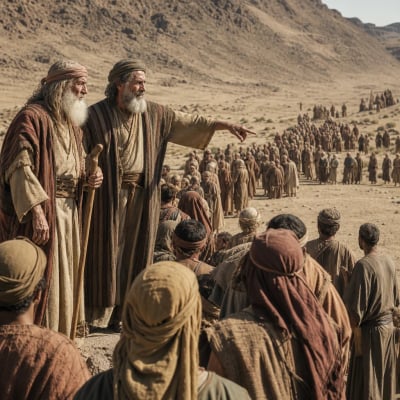
Jethro stands beside Moses as a long line of Israelites waits for judgment, pointing toward appointed leaders who can share the burden.