Zechariah's Prophecies and Their Relevance for Today

The Prophecies of Zechariah for a New Beginning
Hunger and longing are deeply human experiences. They resonate with our body and spirit. In the wake of devastation, when a community feels adrift, longing can amplify isolation. Imagine a table set for a feast but with only an empty chair. How many of us have felt that ache while dining alone or witnessing a gathering where we felt excluded? The post-exilic Jewish community, returning from the Babylonian captivity, faced similar hunger. Their desire for restoration was not only physical but also spiritual. After years of displacement, they found themselves in a foreign land, yearning for God’s promise, crushed under the weight of political vulnerability and identity crisis. Their struggles make Zechariah’s prophecies urgent. They invite us to reflect on God’s intentions for regeneration, resilience, and restoration.
Zechariah's Historical Context
Zechariah prophesied during a tumultuous period for the Jewish community after the Babylonian exile. The destruction of the temple and Jerusalem had left a void, both physically and spiritually. This was not merely a historical setback; it was an existential crisis. The community faced multiple challenges: the daunting task of rebuilding the temple, the pressures of political subjugation under Persian rule, and a deep-seated identity crisis. As they returned to a homeland that had been ravaged, the people grappled with feelings of abandonment and despair. They needed a voice of hope and guidance.
Zechariah's prophetic messages emerged as a divine response to these challenges. His visions were not abstract or vague; they were concrete engagements with the realities facing his people. He spoke of God's presence, reassuring them that they were not forgotten. His prophecies called them to action, encouraging them to restore their covenant relationship with God and to rebuild their community and identity in accordance with divine promises.
The Four Horsemen Vision: Political Instability and Divine Sovereignty
In Zechariah 1:7-17, the prophet introduces a series of visions, beginning with the vision of the four horsemen. "I saw four horsemen standing among the myrtle trees" (Zechariah 1:8). These horsemen symbolize God's active engagement in world affairs, particularly concerning the nations that had oppressed Israel. They represent divine oversight and the promise of justice against the nations surrounding them. The imagery is stark: the horsemen are not passive observers; they are agents of God’s will, heralding a shift from oppression to restoration.
Furthermore, the response from God, "I am very jealous for Zion; I am jealous for her with great wrath" (Zechariah 1:14), emphasizes His deep emotional investment in His people. The emotion conveyed in this passage underscores a God who is not distant, but fervently protective of His people. The implications for the post-exilic community were profound: they were not alone in their struggles; God was actively working on their behalf. This assurance was critical for a people grappling with political instability, as it affirmed that their identity was rooted in God's promise of restoration.
Rebuilding the Temple: Zechariah's Blueprint for Restoration
In Zechariah 2:14-17, God calls His people to rejoice in the promise of restoration. "Sing and rejoice, O daughter of Zion, for behold, I come and will dwell in your midst" (Zechariah 2:10). This promise of God's presence is transformative. It is not merely a physical restoration of the temple but a reinvigoration of covenant relationship. The rebuilding of the temple is symbolic of spiritual renewal, where worship and community life can flourish.
God’s reassurance, "the Lord will inherit Judah as His portion in the holy land" (Zechariah 2:12), speaks to the identity of the Jewish community. They are not just rebuilding a structure; they are reclaiming their identity as God’s chosen people. In a world filled with uncertainty, this prophecy calls them back to their roots, encouraging them to see themselves as a people marked by God's presence and purpose.
The Vision of Hope: A New Community in Divine Favor
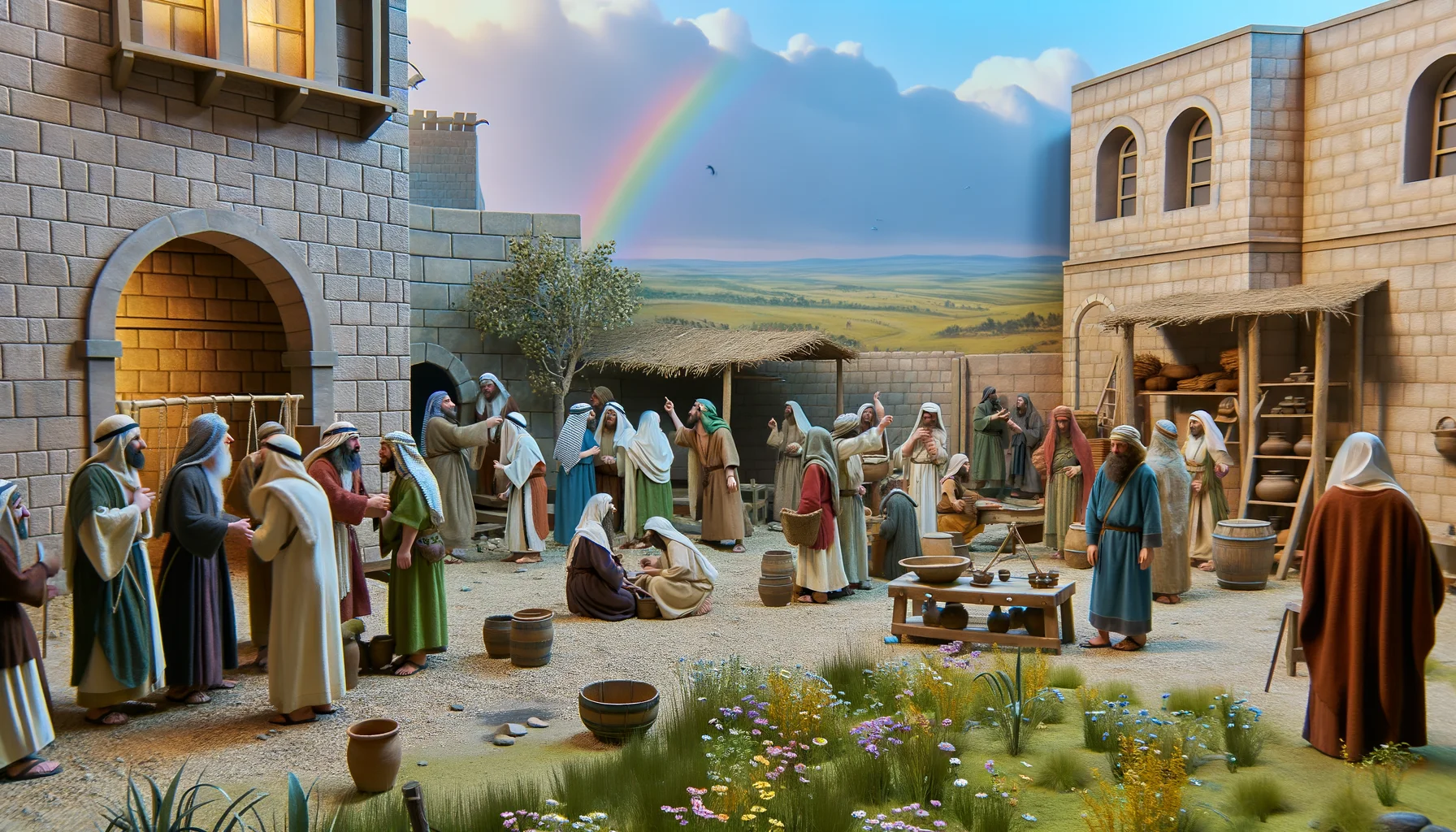
Zechariah 8:1-8 offers a beautiful vision of hope, where God promises to restore Zion and bring peace. "Thus says the Lord of hosts: I am jealous for Zion with great jealousy, and I am jealous for her with great wrath" (Zechariah 8:2). Again, God’s emotional engagement with His people is evident. He delineates a future filled with peace and restoration, where old men and women sit in the streets, and children play freely. The imagery of community life reflects a return to normalcy—something deeply desired after years of exile and desolation.
This prophecy also expands beyond individual restoration; it speaks to communal rebirth. “They shall be my people, and I will be their God” (Zechariah 8:8) encapsulates the ess
Continue Your Bible Study
Explore more lessons and deepen your understanding of scripture
View All Lessons Ask AI a Question