Understanding Prayer and the Afterlife in Faith and Hope

Praying to the Dead
In our culture, the practice of praying to the dead isn’t just common; it’s almost expected. Many people turn to their departed loved ones, seeking guidance, comfort, or even intervention in their lives. This isn’t just a fringe practice; it’s embedded in various traditions and rituals. Think of the altars set up in homes during certain holidays or the belief that the dead can somehow communicate back. These practices are prevalent and deeply rooted in the way people navigate grief and loss.
Consider the power dynamics at play here. In a world filled with uncertainty, leaning on the deceased can feel like a way to tap into some kind of spiritual authority. It gives a semblance of control in an uncontrollable world. The metrics of success here revolve around the emotional comfort found in these practices, the feelings of connection, and assurance that those who have passed can still influence the living. People are left questioning: Am I honoring my loved ones? Am I doing this right? The societal pressure to maintain these connections often overshadows a critical examination of the practice itself.
But let's get real here—does this align with biblical teachings? How does this reflect on our understanding of prayer and our relationship with God? The prevailing notion is that praying to the dead provides solace, yet it confronts the core of what biblical prayer is all about. In the end, is this practice building a solid foundation, or is it more like building on sand?
The Divine Disruption
But the kingdom! When we turn to Scripture, we see a different blueprint entirely. Praying is intended to be a direct line to God, not mediated through the dead. In the Sermon on the Mount, Jesus teaches us how to pray, emphasizing a relationship with the Father. He says in Matthew 6:9-13, “In this manner, therefore, pray: Our Father in heaven, hallowed be Your name...” This is a radical shift from focusing on the dead to engaging directly with the living God.
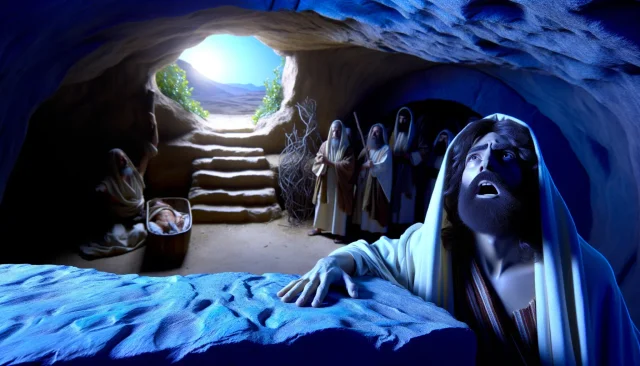
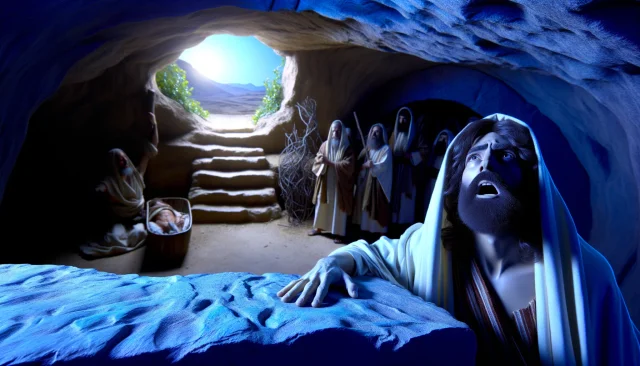
Jesus made a point of showing the power of prayer through His actions. When He raised Lazarus from the dead, He prayed to the Father before the miracle, illustrating that prayer is a channel to God, not to those who've passed. John 11:41-42 states, “Then they took away the stone from the place where the dead man was lying. And Jesus lifted up His eyes and said, ‘Father, I thank You that You have heard Me. And I know that You always hear Me...’” This reinforces the idea that praying to God is where our faith and expectations should lie, not in those who are no longer with us.
Apostolic practice further confirms this kingdom reversal. The early church, as depicted in Acts, was marked by prayer directed to God alone. They prayed for boldness, healing, and wisdom directly from the Holy Spirit. Acts 4:31 tells us, “And when they had prayed, the place where they were assembled together was shaken; and they were all filled with the Holy Spirit and spoke the word of God with boldness.” This demonstrates a direct line of communication—no saints or loved ones needed to intercede on their behalf. God is the one who moves, shakes, and answers prayers.
Everything changes when we embrace this kingdom reality. Instead of looking to the dead for answers, we can approach our heavenly Father with the trust that He listens and responds. In this way, God's kingdom subverts the worldly practices surrounding prayer and loss.
The Beautiful Scandal
The offense of the gospel runs deep. The kingdom way often seems foolish to the world. Why rely on an unseen God when you can turn to someone you once knew? The cross, a symbol of defeat, becomes the very means of victory. This paradox challenges the notion that strength comes from the living. Paul reminds us in 1 Corinthians 1:18, “For the message of the cross is foolishness to those who are perishing, but to us who are being saved it is the power of God.”
The world measures success by who you know and the connections you can leverage. The kingdom flips that idea on its head. We find strength in weakness, hope in despair, and life in death. This is where the beauty of the gospel shines. Jesus showed us that in surrendering our lives—laying down our desires, including the urge to seek answers from the dead—we find true life. In Matthew 16:25, He states, “For whoever desires to save his life will lose it, but whoever loses his life for My sake will find it.”
This kingdom perspective can feel like scandal in a world that demands results and visible connections. The idea that we can approach God directly, bypassing earthly intermediaries, challenges deep-seated beliefs and practices. Yet, it’s precisely in this tension that the gospel calls us to something radically different. It invites us to trust in God’s sovereignty rather than in our ability to reach across the veil of death.
Subversive Saints
The revoluti
Continue Your Bible Study
Explore more lessons and deepen your understanding of scripture
View All Lessons Ask AI a Question