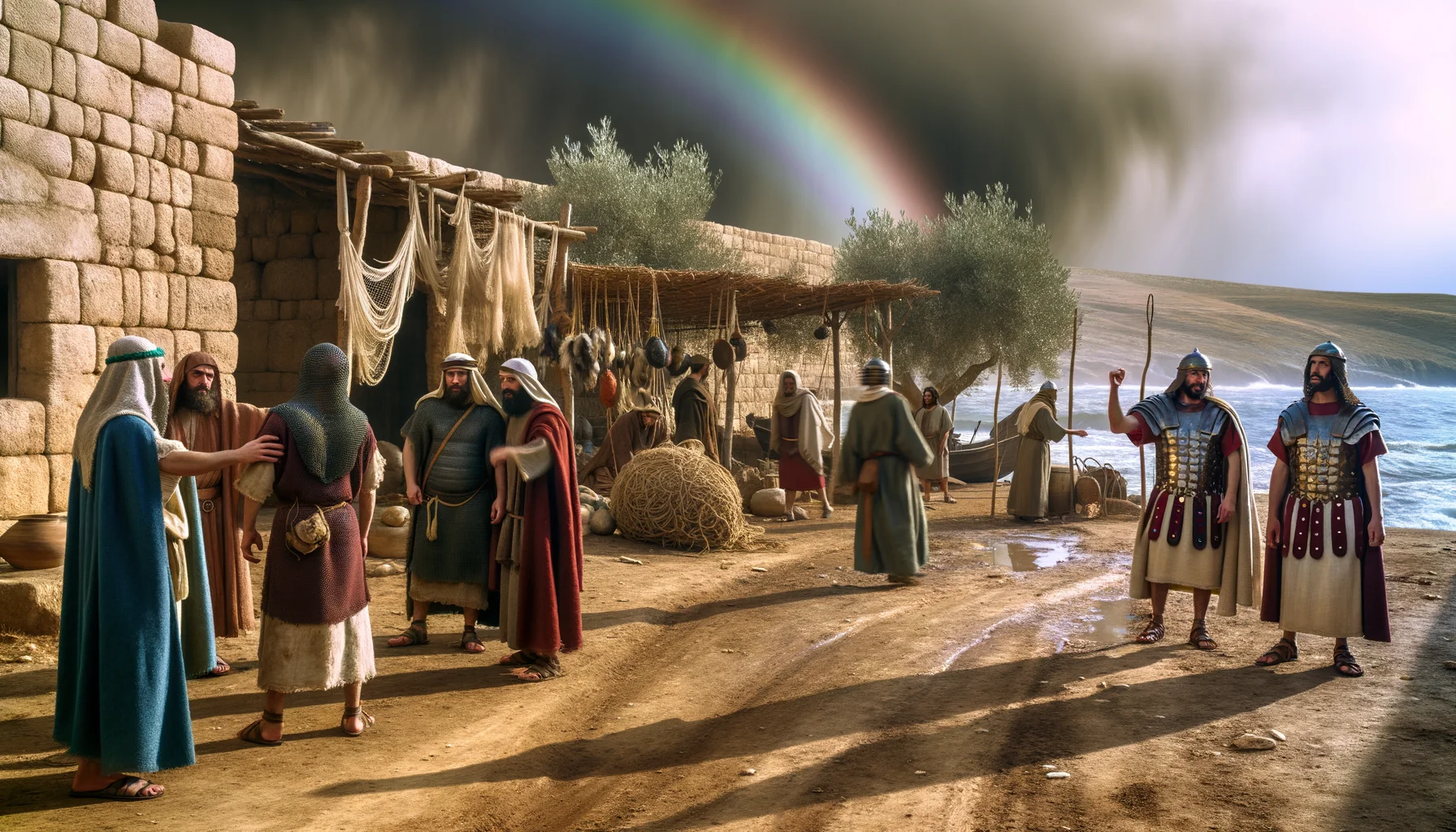
Strengthening Church Unity Through Effective Communication

Healthy Church
In the heart of every community lies a church, a sacred space where the weary and the hopeful gather. Yet, what does it mean for a church to be healthy? The term "healthy church" often conjures images of vibrant gatherings, uplifting sermons, and community outreach programs that flourish. However, beneath the surface, complexities abound. As an ER nurse, I witness daily the myriad challenges individuals face—financial stress, relationship strains, and health issues. This reality is mirrored within our church communities, where the very fabric of congregational life is often strained under the weight of expectations, conflict, and the pressing demands of modern life. We grapple with questions of how to foster genuine discipleship, maintain unity amidst diversity, and ensure our relational dynamics embody the grace and truth we proclaim. How do we harmonize these threads to cultivate a community that not only thrives in numbers but also flourishes in spirit?
The challenges are multifaceted. For instance, consider a scenario where a church is experiencing rapid growth. While this may seem like a blessing, it can lead to tension as long-standing members feel overshadowed, and newcomers struggle to find their place. Alternatively, a struggling church may grapple with burnout among its leaders, causing them to question their calling and effectiveness. These are not mere administrative hurdles; they are deeply spiritual concerns that require wisdom, discernment, and a commitment to both truth and love. Each voice in our faith community—whether a seasoned elder, a newcomer, or a child—holds unique perspectives that can guide us toward a healthier church. Navigating these complexities demands more than mere strategies; it requires us to lean into the presence of the Holy Spirit and seek divine wisdom together.
The Crossroads Moment
Imagine a church facing the dilemma of how to engage with social issues in their community. On one hand, they feel compelled to respond to pressing matters such as poverty, racial injustice, and homelessness. Yet, there is fear—fear of alienating members who may hold differing views or fear of overstepping their spiritual mandate. This church stands at a crossroads: should they prioritize social engagement or focus solely on spiritual growth through teaching and worship? The voices within the congregation are divided.
Some members advocate for a more active role, citing James 1:27, which challenges the faithful to care for orphans and widows in their distress. They argue that a healthy church should reflect the heart of Christ, standing alongside those who are marginalized. Others, however, emphasize the importance of doctrinal purity, warning that too much focus on social issues might dilute the gospel message. They might reference Paul’s letters to Timothy, where he stresses the importance of sound doctrine and the need for the church to remain steadfast in its teaching.
As tensions rise, a group of youth begins to voice their concerns. They feel unheard, yearning for a church that not only preaches love but demonstrates it through action. They reference Matthew 25:40, where Jesus speaks of serving "the least of these" as a direct service to Him. Their passionate call for action further complicates the landscape, creating a rich tapestry of perspectives that the church must navigate.
In this scenario, we see how the complexities of a healthy church extend beyond mere attendance numbers or financial health. The very essence of what it means to be a church—a body of believers united in Christ—hangs in the balance. Each tension represents a facet of a deeper struggle to embody the fullness of Christ’s love and truth amidst the societal challenges we face today. This crossroads moment calls for profound discernment and wisdom, as the church seeks to balance its mission with the various voices of its congregation.
Voices from the Cloud
From the depths of Scripture, we can glean wisdom that speaks to our current realities. Proverbs, with its rich tapestry of insights, offers foundational guidance. Proverbs 11:14 reminds us, "Where there is no counsel, the people fall; but in the multitude of counselors there is safety." This speaks to the importance of diversity in voices within the church, emphasizing that navigating conflict and challenges requires collective wisdom. It invites the church to hold space for differing opinions and to engage in respectful dialogue that honors each member’s experience.
James, in his epistle, adds another layer of wisdom, urging the church to be "quick to hear, slow to speak, and slow to anger" (James 1:19). This directive emphasizes the importance of listening deeply before taking action. In a polarized society, the practice of active listening could serve as a balm to the wounds of division, fostering an environment where love and grace can thrive. When we l
Continue Your Bible Study
Explore more lessons and deepen your understanding of scripture
View All Lessons Ask AI a Question