Micah's Vision of Justice and Compassion in Today's World

Micah's Vision of Social Justice Today
As we stand at the crossroads of our reality, one cannot help but lament the state of our world. The air is thick with the cries of the marginalized, the oppressed, the silenced. All around us, the specter of systemic injustice looms large, casting shadows on the lives of the vulnerable. We see how power corrupts, how communities fracture, and how cultural idolatry takes root even in the heart of our churches. The pursuit of wealth and status breeds a toxic compromise, dulling our prophetic voice as we bow to the idols of comfort and convenience. We know the statistics: poverty levels are climbing, racial inequality is entrenched, and political corruption runs rampant. It’s as if the very fabric of our society is unraveling at the seams. The elephant in the room is screaming for our attention, urging us to look beyond our complacency. In the words of Micah, “What does the Lord require of you? To act justly and to love mercy and to walk humbly with your God” (Micah 6:8, NIV). It’s time to confront these injustices with prophetic clarity, to name what is broken and to seek restoration.
The Righteous Rage
As we reflect on Micah's prophetic declaration, we must acknowledge the righteous rage that God feels toward the injustices of our day. Picture yourself walking through the streets of your city, witnessing the stark divide between the affluent and the impoverished. The gentrified neighborhoods, with their sleek coffee shops and luxury condos, stand in stark contrast to the decaying buildings and littered sidewalks of those left behind. It’s a vivid image of our societal imbalance—a reflection of our collective failure to uphold justice. Micah's words echo through the ages, demanding that we confront the systemic injustices that plague our communities. Is it not a tragedy that the church, the very body called to be a beacon of hope, often compromises its mission? We find ourselves entangled in cultural idolatry, where prosperity gospel has blinded us to the suffering of the poor, and where social status overshadows our call to serve. The injustice is not just external; it seeps into our hearts, leading us to prioritize comfort over compassion.
As we engage with these issues, we must be specific about the injustices we face. Systemic racism continues to rear its ugly head, manifesting in discriminatory practices that deny opportunities to people of color. The wealth gap widens, pushing families into despair as they struggle to make ends meet. We witness the fallout of a healthcare system that prioritizes profit over people, where the sick are left untreated and the hungry go unfed. This is the brokenness that Micah cried out against, and it is the same brokenness that we must confront today. The call to act justly is not merely a suggestion; it is a divine mandate that compels us to be the change we wish to see—a prophetic critique of the status quo that implores us to rise up and take action.
God's Alternative Reality
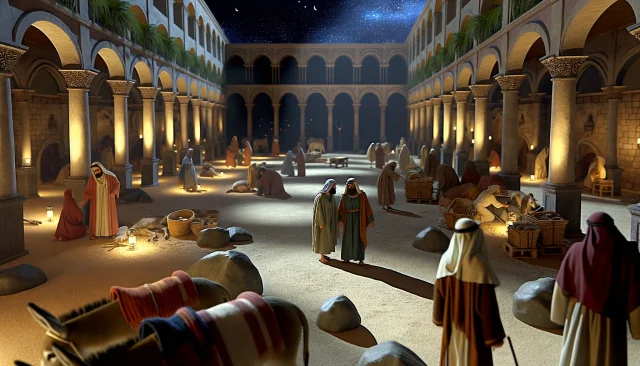
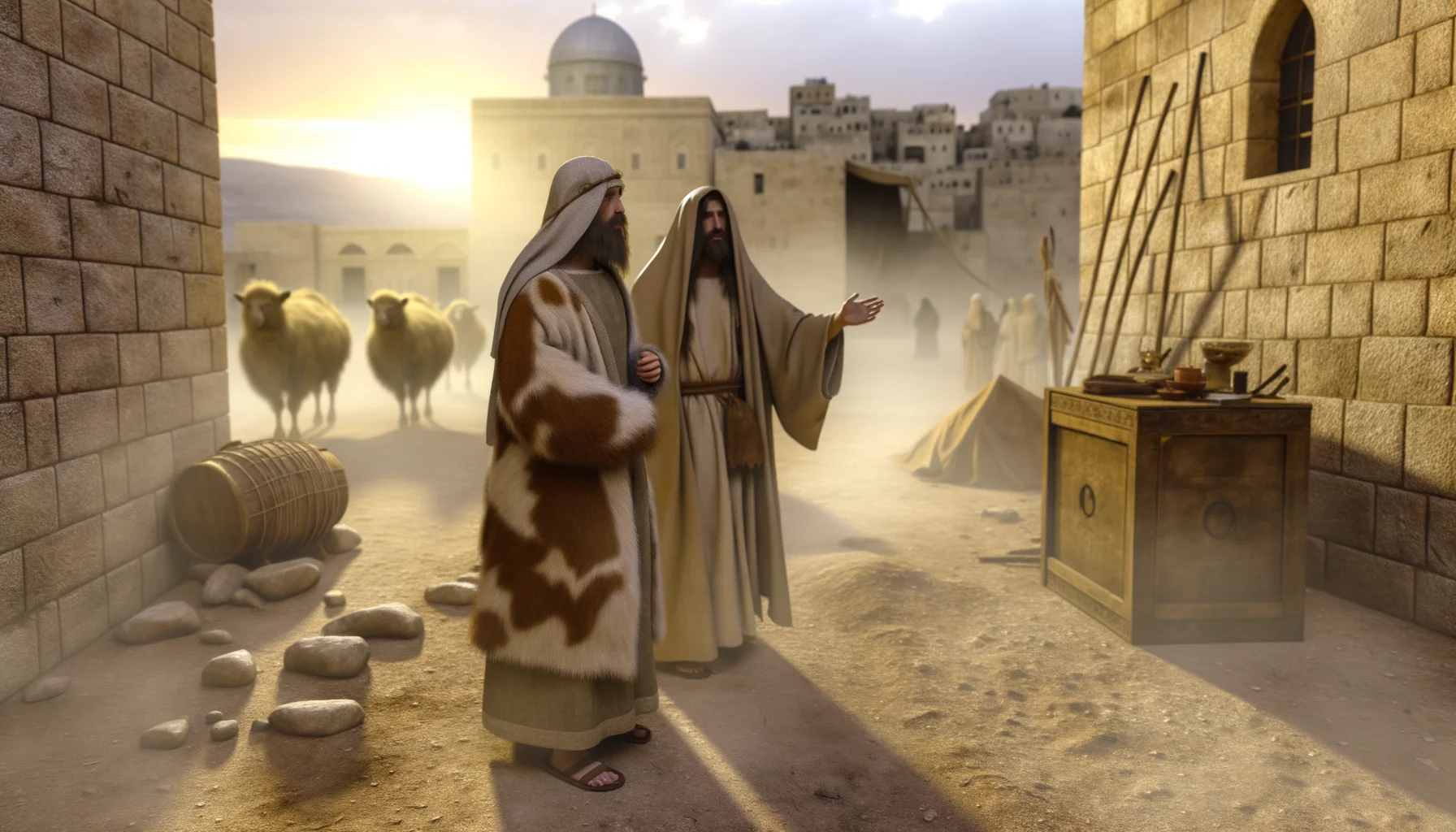
But God! Even amidst the chaos, His vision for justice shines brightly, illuminating the darkness with hope. Imagine a world where justice flows like a river, where the oppressed are lifted up and the weary find rest. Picture yourself walking through ancient Jerusalem, where the streets echo with the sounds of laughter and community, where the poor are cared for, and every need is met in love. Micah’s vision transcends time, inviting us to envision a kingdom reality that breaks into our present. Isaiah’s prophetic utterance of the “peaceable kingdom” where “the wolf will live with the lamb” (Isaiah 11:6, NIV) beckons us to imagine a place where all creation thrives in harmony.
In the New Testament, Jesus paints a beautiful picture of His kingdom, where the last shall be first and the first shall be last (Matthew 20:16, NIV). His parables challenge our understanding of power and privilege, flipping our societal norms upside down. When He speaks of the Good Samaritan (Luke 10:25-37, NIV), He calls us to love our neighbor, regardless of societal boundaries. This is the alternative reality God invites us into—a reality filled with love, compassion, and relentless justice. It’s a radical reimagining of how we interact with one another, urging us to dismantle the barriers that divide us.
Imagine the church as a community of justice seekers, united in a common purpose. The Spirit is moving: envision small groups gathering around tables, sharing meals with those in need, listening intently to their stories, and providing tangible support. Imagine a community where compassion is not optional but essential—a reflection of the very heart of God. As we embody Micah’s vision, we embrace our role as agents of change, heralding the dawn of a new reality where justice prevails and mercy reigns.
When Heaven Invaded Earth
Can you see it? There have been moments in history when the vision o
Continue Your Bible Study
Explore more lessons and deepen your understanding of scripture
View All Lessons Ask AI a Question