Jesus and the Samaritan Woman in Breaking Social Barriers

The Samaritan Woman: Understanding True Worship
There comes a time in every believer’s life when they must confront the uncomfortable realities of faith. For many, this might mean acknowledging patterns of worship that are more about tradition than true connection with God. The story of the Samaritan Woman at the well in John 4 isn’t just about a conversation; it’s a paradigm shift that challenges the very foundation of cultural worship practices. In recognizing the depth of this encounter, we must first name what must die in our false understandings of worship.
Naming What Must Die
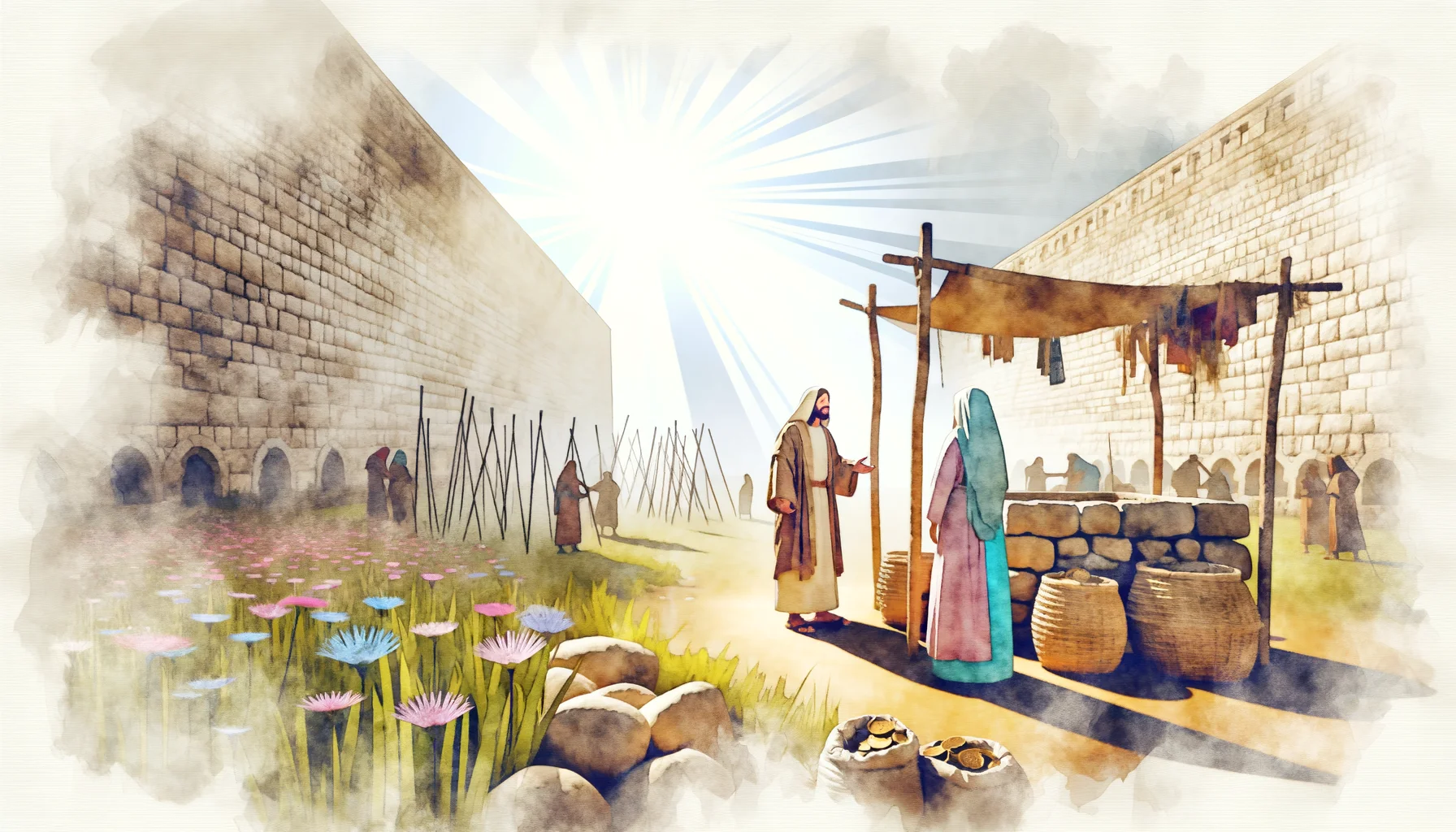
What needs to die is the misconception that worship is confined to a place or a specific ritual. The Samaritan Woman exemplifies this struggle. When Jesus met her at Jacob's well, He initiated a conversation that shattered existing taboos. Here was a Jewish man speaking to a Samaritan woman—two groups that had deep-seated hostilities towards one another. This moment calls into question our own boundaries regarding who we deem worthy of worship or even conversation.
Moreover, it forces us to confront our own biases. Are we more concerned about our comfort zones than the gospel? The old ways of thinking—where worship is a performance or merely a social gathering—must die. In John 4:20-24, the woman expressed her belief that worship was tied to geography: “Our fathers worshiped on this mountain, but you say that in Jerusalem is the place where people ought to worship.” Jesus’ response was radical: “Woman, believe me, the hour is coming when neither on this mountain nor in Jerusalem will you worship the Father.”
This statement dismantles the notion that worship has to happen in a specific location or in a specific manner. Instead, it invites us to reconsider what worship truly means. We must lay to rest the idea that our rituals or traditions are the only valid expressions of worship. Worship must evolve beyond mere formality; it must embody authenticity and connection.
The Descent into Death
As we begin to strip away these false securities, we descend into a painful realization. The Samaritan Woman’s life was marked by relational turmoil—five husbands and a current partner she wasn’t married to (John 4:18). This reality speaks volumes about her social status and the shame she carried. Engaging with Jesus was not just an encounter; it was a confrontation with her own failures and brokenness.
Let’s get real here: our descent into the death of those false securities can feel unbearable. We resist the idea of letting go of what we’ve always known. In the construction world, when you’re remodeling a space, you often have to tear down walls you thought were essential. The sounds of hammers and saws echo the noise of our inner struggle as we confront what needs to be dismantled in our own lives.
In this case, the Samaritan Woman represents more than just an individual; she embodies the community of those who are marginalized. Her willingness to engage with Jesus was her Gethsemane moment—a moment of decision that would pull her away from her past and into a new understanding of worship. It’s a painful stripping away of identity, a painful confrontation with what dying to self looks like. She didn’t just have to accept who she had been but who she could become.
Holy Saturday Waiting
In the waiting that follows, we see a parallel with the disciples. They had been with Jesus, yet they were clueless about His radical mission. In John 4:31-34, they urged Him to eat, but He replied, “I have food to eat that you do not know about.” They were still entrenched in their traditions, unable to recognize the significance of what was unfolding before them. While the Woman became the first evangelist, they were lost in their old ways.
In our own lives, this experience can often feel like a Holy Saturday—a liminal space, devoid of clarity. We might find ourselves wondering why we’re stuck, why we can’t seem to move forward. During these moments, it’s crucial to acknowledge that we’re not alone. The disciples were in the same boat, struggling to adapt to the new reality that Jesus was painting for them.
This waiting period is not just a passive state; it’s a time for discernment. The Samaritan Woman, in her conversations with Jesus, began to embrace a new identity. She moved from being an outcast to becoming a carrier of the gospel. This shift didn’t occur overnight but required deep introspection and a willingness to embrace the unknown. Just like the disciples, we can remain in our comfort zones, confused and resistant to the change that God is inviting us into.
The Unexpected Morning
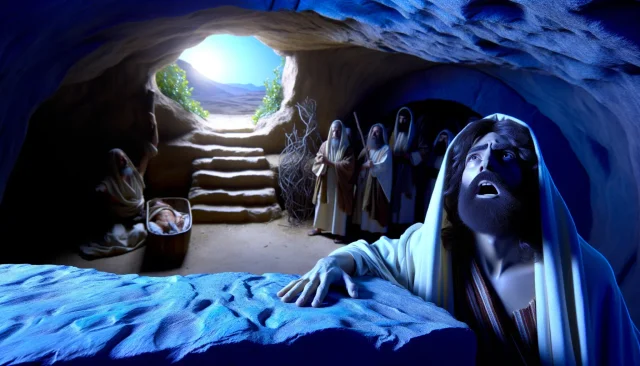
But Sunday is coming. For the Woman at the well, that unexpected morning came when she recognized Jesus as the Messiah. In John 4:25-26, she expressed her hope: “I know that Messiah is coming...When He comes, He will tell us all things.” Jesu
Continue Your Bible Study
Explore more lessons and deepen your understanding of scripture
View All Lessons Ask AI a Question