Henna Tattoos and their Cultural Significance in Scripture

Henna Tattoos in the Light of Faith
Honest grief surrounds us in many forms, and the world of body art is no exception. Many individuals seek meaning and expression through henna tattoos, a practice steeped in history and culture. Yet, within the church, there may be hesitance or outright disapproval regarding such forms of self-expression. The loss here is the opportunity to see these expressions as avenues for connection and storytelling, rather than mere decoration on skin. We must acknowledge this reality: body art can be a medium through which we communicate our journeys, our heritage, and even our pain.
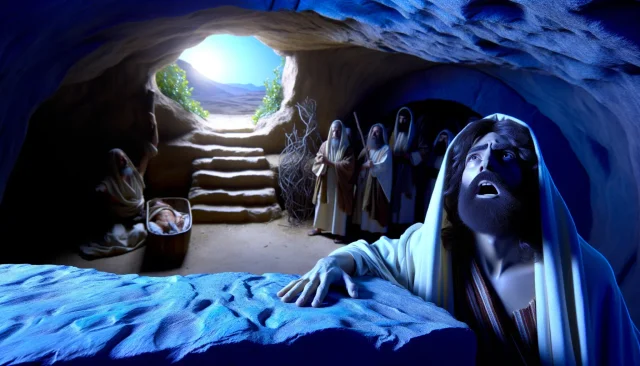
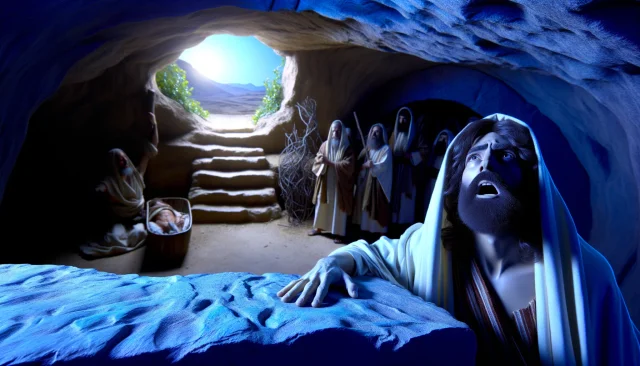
As we face the tension between societal norms and personal expression, we can look to the biblical narrative for validation. The Psalms, particularly those of lament, give voice to our struggles and desires, inviting us to cry out in authenticity. When we see Jesus weeping at Lazarus' tomb (John 11:35), we witness a divine acknowledgment of human grief and loss. Embracing our struggles, including the societal pushback against henna tattoos, can lead us into deeper conversations about faith, identity, and the sacredness of our stories.
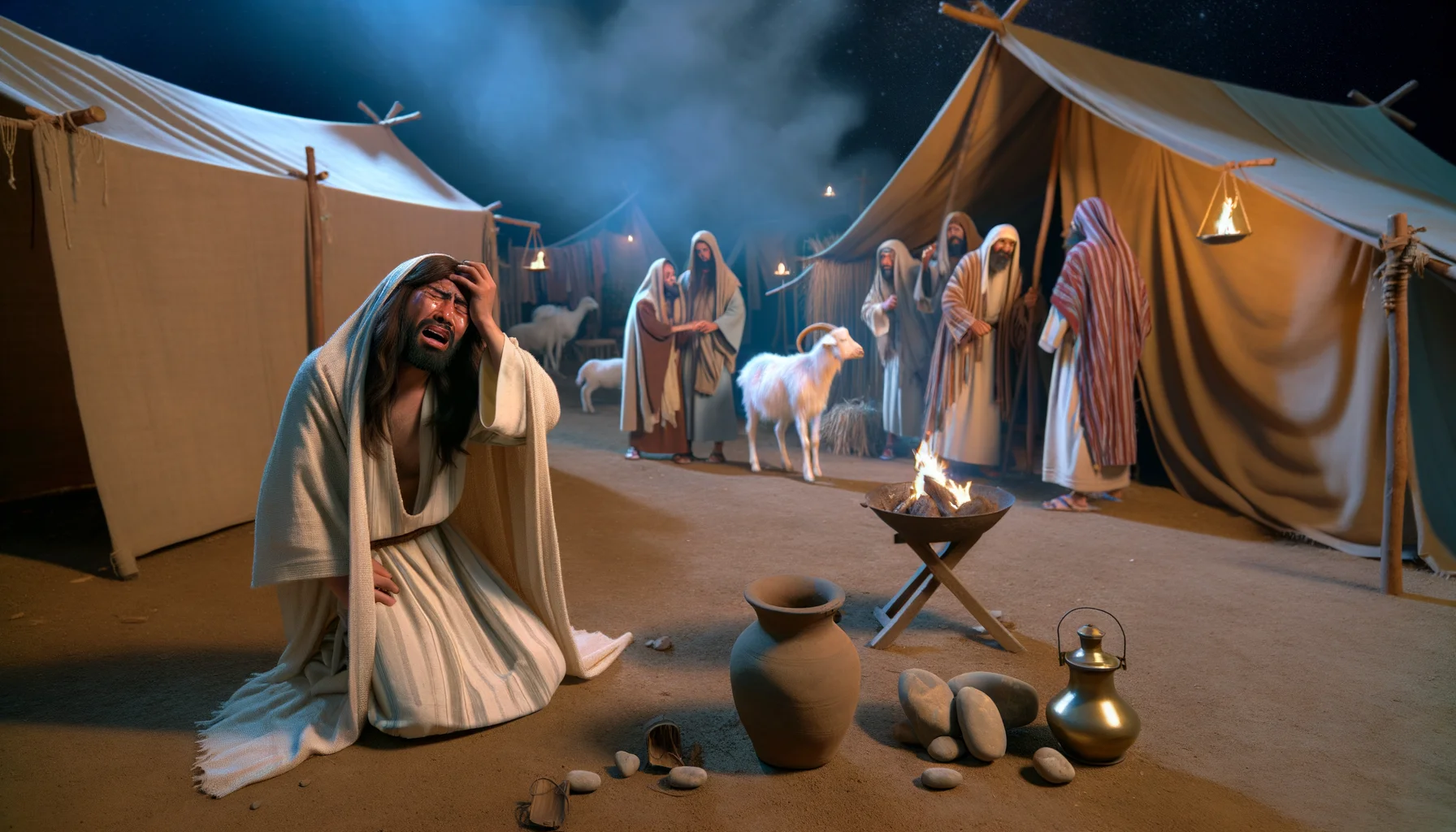
Even in the midst of turmoil over body art, we can affirm the sacred right to cry. We can reclaim the beauty of these expressions, understanding that they reflect both our joys and our tribulations. Just as the ancient Israelites adorned themselves with symbols of their covenant with God, so can we find ways to express our faith and our journeys through the artistry of henna tattoos.
The Language of Loss
To engage with lament, we must first understand its language—a language rich with structure and emotion. The biblical laments often follow a familiar pattern: a cry for help, a recounting of past faithfulness, and ultimately, a plea for divine intervention. Take, for instance, Psalm 13:1-2: "How long, O Lord? Will you forget me forever? How long will you hide your face from me? How long must I wrestle with my thoughts and day after day have sorrow in my heart?" Here, we find a voice of deep anguish, an honest expression of feeling forsaken.
Henna tattoos can serve as personal laments, where the design chosen may symbolize loss, healing, or transformation. Imagine a pattern that represents a significant loss—an intricate design that mirrors the journey of grief. This allows us to articulate our experiences visually, creating tangible reminders of our stories. Just as the laments in Scripture invite us to articulate our pain, so can henna serve as a canvas for our life events.
In the prophetic laments found throughout the Old Testament, we witness a framework that encourages an honest recounting of suffering while simultaneously calling the people back to faithfulness. This model invites us to reflect on how our expressions of pain and loss can point us toward a deeper understanding of God’s presence amid our struggles. When adorned with henna, we wear our stories and, in doing so, open pathways for dialogue about faith, identity, and the human condition.
Meeting God in the Darkness
In the depths of lament, we often feel isolated and alone, yet these moments are where God meets us most profoundly. The divine presence does not shy away from our pain; rather, it enters into our suffering. As we lament through body art, perhaps seen in the delicate lines of a henna tattoo that weeps for our wounds, we create a landscape where we can encounter the sacred. God's responses to our lament can be subtly woven into the very fabric of our pain.
Consider the image of the Suffering Servant in Isaiah 53, who bears our sorrows and carries our grief. This connection provides us with assurance that Jesus understands our pain intimately. The act of getting a henna tattoo can then become a sacred moment—an embodiment of the emotional and spiritual truths we carry. When we sit in the chair, feeling the cool paste applied to our skin, we may find ourselves reflecting on our experiences, recognizing that God is present even in our darkest moments.
As we express ourselves through henna, we create spaces where the divine can interweave with our reality. This communal aspect of body art can also foster conversations about faith, healing, and vulnerability, reminding us that God is indeed present in our lament, offering companionship and comfort as we navigate the complexities of life.
The Mysterious Turn
Yet even here, a mysterious transformation begins to take shape. Lament is not meant to remain stagnant; it naturally leads us toward a point of trust and hope. Take a moment to reflect on how the psalmists often pivot from despair to praise. In Psalm 30:11-12, we hear the cry of the afflicted turn into a song of joy: "You turned my wailing into dancing; you removed my sackcloth and clothed me with joy, that my heart may sing your praises and not be silent." This passage reveals the po
Continue Your Bible Study
Explore more lessons and deepen your understanding of scripture
View All Lessons Ask AI a Question