Freedom in Christ Exploring the Depth of True Liberty

Free Indeed
Freedom. It’s a concept that resonates deeply within the human soul. Yet, it's a term often misunderstood and misappropriated. In the biblical context, freedom extends beyond mere absence of restraint—it embodies liberation from sin, fear, and the confines of legalism. As we delve into what being "Free Indeed" truly signifies, we'll navigate a journey through the death and resurrection pattern, exploring how letting go can ultimately usher in the profound liberty offered through Christ.
Naming What Must Die
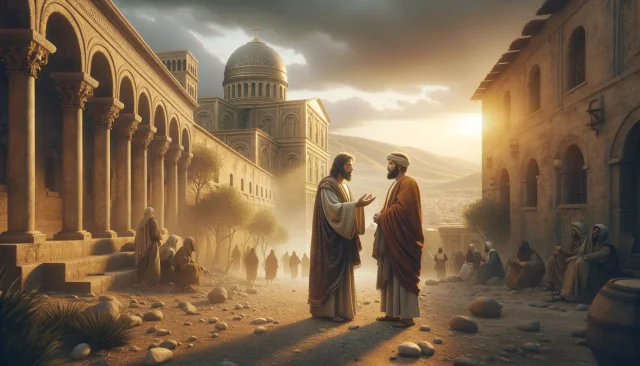
Let’s name what needs to be laid to rest. The old identity, those destructive patterns we cling to, and the false securities that camouflage themselves as freedom. The Apostle Paul addresses this in Galatians 5:1: "It is for freedom that Christ has set us free. Stand firm, then, and do not let yourselves be burdened again by a yoke of slavery." Here, the "yoke of slavery" symbolizes the legalistic rituals and the bondage of sin that entrap us, convincing us we are living freely when, in reality, we are shackled.
Consider the metaphorical chains of perfectionism, often disguised as diligence in the tech industry. The relentless pursuit of success can become a form of bondage, driving individuals to the brink of exhaustion, believing their worth is tied to their accomplishments. This is a false identity that must die for true freedom to emerge. It’s akin to living in a virtual reality where the parameters of existence are defined by external validation, rather than intrinsic value.
Then, there are the destructive habits—those seemingly innocuous patterns that quietly erode our spiritual vitality. Perhaps it's the constant scroll through social media, a subconscious comparison that breeds discontent. These habits need to die because they tether us to a superficial understanding of freedom, one that is contingent upon the approval or admiration of others. Jonathan, a man who finds solace in endless coding sprints, realizes his habitual neglect of family is a chain, whispering false promises of satisfaction.
False securities are another aspect requiring burial. These are often the dependencies we form with material possessions or even relationships that we assume define us. In truth, they offer no more security than a sandcastle against a rising tide. These securities delude us into believing we have control, when in reality, they are distractions keeping us from embracing the freedom Christ promises.
Thus, the first step toward being free indeed involves identifying and naming these elements in our lives that must be relinquished. It demands an honest assessment and a willingness to confront the uncomfortable truths about what truly holds us captive.
The Descent into Death
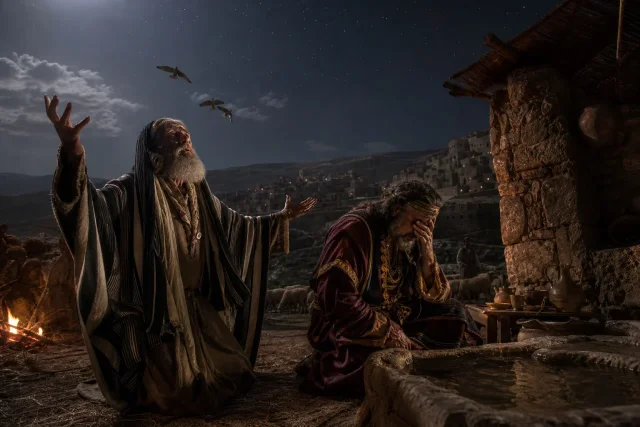
Then comes the dying: the process of letting go. It’s a journey fraught with resistance, as the familiar grips us with the comfort of stability. We face our personal Gethsemane, a place of inner turmoil where the decision to release control becomes a battle against our own ego. These are the moments where our desires to hold on clash with the call to surrender.
This descent is not without pain. It’s in the stripping away that we encounter the rawness of vulnerability. Like a coder faced with a blank screen after a system crash, there is fear in the unknown, a discomfort in the void that follows the dismantling of old structures. The ego falters, clinging to remnants of past identities, reluctant to embrace change.
Jesus’s cry in the Garden of Gethsemane reverberates here: "My soul is overwhelmed with sorrow to the point of death" (Matthew 26:38). It’s a poignant reminder that even the path to freedom involves moments of despair. The death we embrace is not a physical one but a relinquishing of self—the self that is bound by fear of inadequacy, the self that resists transformation.
Consider the tech enthusiast faced with the choice to step back from the relentless grind. There’s a stripping away of the identity tied to productivity, a painful process that feels like losing a part of oneself. Yet, it’s precisely in this release that the potential for true freedom emerges.
The descent into death is a liminal space, where the old fades, and the new has yet to fully appear. It is marked by a series of small deaths—each a step toward liberation. This journey is not for the faint of heart; it requires courage and faith to trust that what lies beyond is worth the sacrifice.
Holy Saturday Waiting
In the darkness: Holy Saturday encapsulates the waiting period, a time of uncertainty and in-betweens. It’s the space where the disciples sat, confused and disheartened, between the crucifixion and the resurrection. For us, it represents the wilderness seasons, those dark night experiences where clarity is elusive, and the path forward remains obscured.
This waiting is neither passive nor purposeless. It is a period of gestation, where the seeds of transformation are planted. It’s as if you're in a game loading screen, waiting for the next level to reveal itself, not knowing what challenges or victories await. The waiting refines, teaching us patience and trust in the unfolding of divine plans.
In this space, the silence can be deafening, yet it is filled with potential. As 2 Corinthians 3:17 affirms, "Now the Lord is the Spirit, and where the Spirit of the Lord is, there is freedom." The Holy Saturday waiting invites us to dwell in the Spirit, in the anticipation of the new life that is to come.
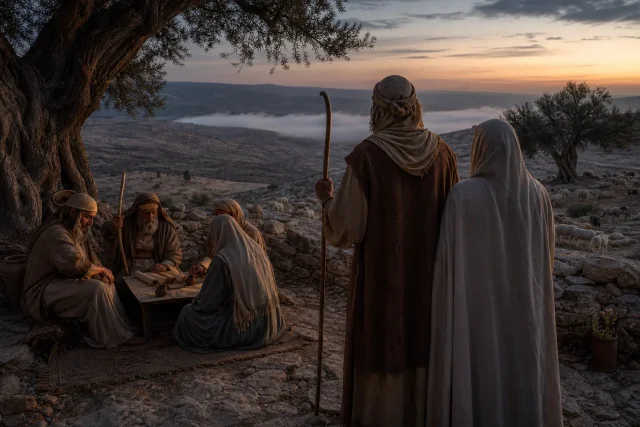
During this time, community and scripture become lifelines, anchoring us as we navigate the ambiguity. The isolation felt by the disciples is mirrored in our own lives when we await the unknown, yet it is in these moments that faith is stretched and deepened. It’s a period of introspection, where we confront the remnants of what was and prepare for what will be.
Holy Saturday reminds us that waiting is not void of purpose. It is a sacred pause, allowing us to process the grief of what has passed and ready ourselves for the birth of something new. It is a time to embrace the "not yet," with hope that the waiting itself is part of the journey to freedom.
The Unexpected Morning
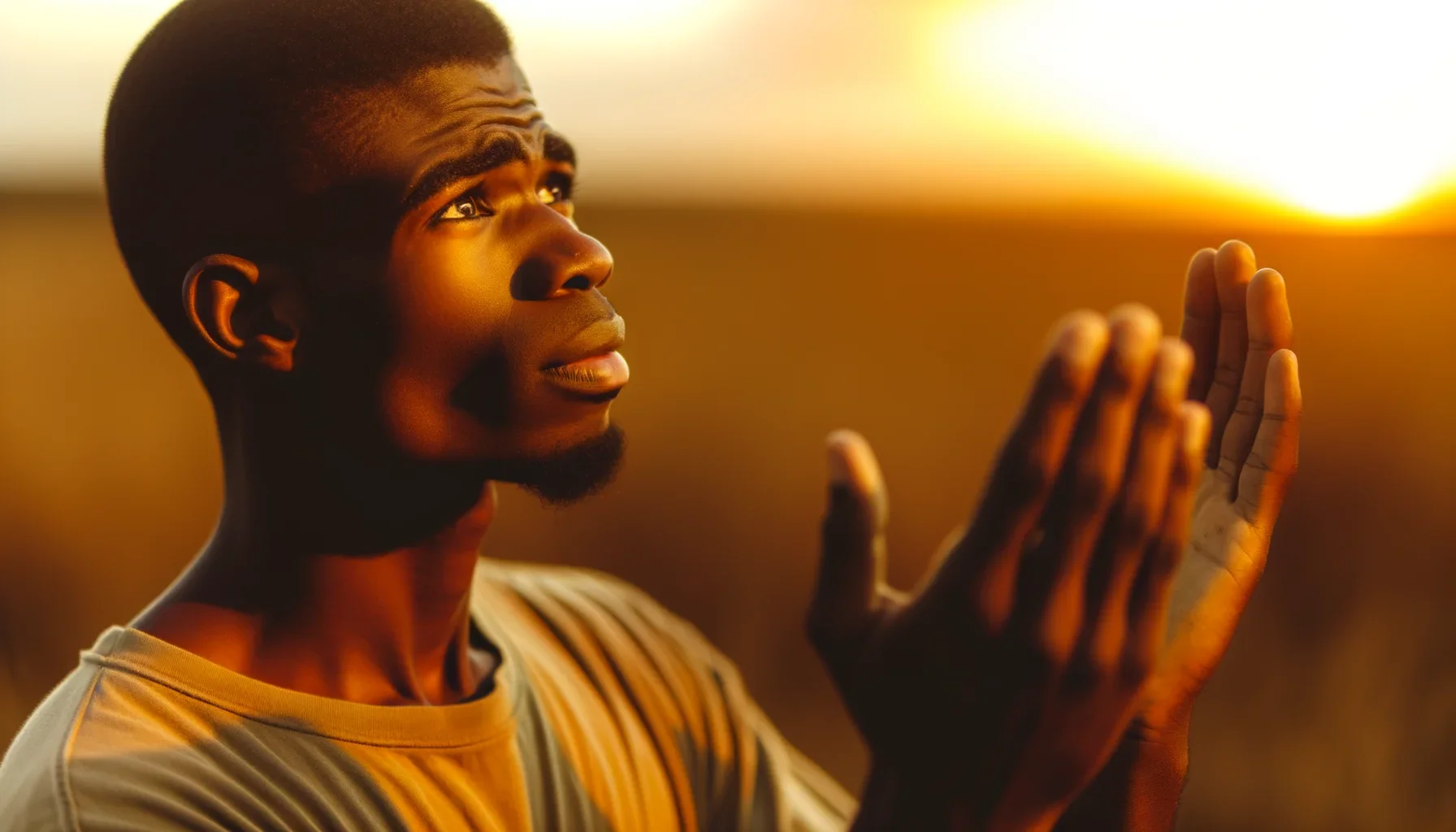
But Sunday is coming: The morning of resurrection dawns, often in the most unexpected ways. It’s the moment when new life bursts forth, sometimes without fanfare but with profound significance. The resurrection of Christ is emblematic of this surprise, an event that defied expectations and redefined reality for His followers.
Easter morning is not just a historical event but a living testament to the power of renewal. It’s like waking up to a fresh system update that enhances functionality and breathes new life into your device. Suddenly, the landscape changes, and the possibilities seem endless.
For Jonathan, our tech enthusiast, the resurrection moment came when he discovered the joy in simplicity, in spending time with his family rather than chasing endless lines of code. His priorities shifted, and with it, a sense of freedom emerged—one not bound by career achievements but enriched by meaningful connections.
The resurrection morning invites us all to witness the unexpected, where old limitations are shattered, and new horizons beckon. John 8:36 declares, "So if the Son sets you free, you will be free indeed." This freedom is not only spiritual but practical, offering a new perspective on life, relationships, and purpose.
As we embrace this new life, we are often surprised by the gradual recognition of change within us. It’s not an overnight transformation but an unfolding revelation of what has been made new. The resurrection morning is both a culmination and a commencement, a celebration of what has been and a launch into what will be.
Learning to Live Again
Now comes the time for learning to live again, embodying the resurrection power in everyday life. It involves a reorientation, where old habits are replaced with new practices that align with this newfound freedom.
Living in resurrection power means prioritizing relationships over accomplishments, valuing presence over productivity. It’s about cultivating gratitude, recognizing the beauty in the mundane, and cherishing the present moment. For the coder, it’s the freedom to step away from the screen and engage with the world beyond the digital realm.
This new life requires intentionality. It’s about setting boundaries, finding balance, and pursuing passions that invigorate rather than deplete. Resurrection life is not without its challenges, as the remnants of the old sometimes linger, tempting us to revert to familiar patterns.
Yet, in living this new life, we experience the fulfillment of Christ's promise. As Romans 6:4 reminds us, "We were therefore buried with him through baptism into death in order that, just as Christ was raised from the dead through the glory of the Father, we too may live a new life." This is a call to action, to embody the freedom that has been gifted to us, spreading it to those around us.
Resurrection life is a journey of continual growth and renewal, where each step forward is a testament to the freedom we have embraced in Christ. It’s an invitation to participate in the divine dance of redemption, to live boldly and freely in the truth of who we are in Him.
Reflection Questions
Introspective: Where in your life are you resisting this death, clinging to old identities or patterns that need to be released?
Contemplative: Sit with this paradox: where do you feel the tension between the freedom Christ offers and the constraints you impose upon yourself?
Action: What practical steps can you take this week to live more fully in the freedom Christ has given you?
Continue Your Bible Study
Explore more lessons and deepen your understanding of scripture
View All Lessons Ask AI a Question