Embracing Radical Hospitality in the Early Church Community

Radical Hospitality in the Early Church
From head to hands, the concept of radical hospitality within the early church offers a theological truth that transcends time and culture. At its core, radical hospitality reflects the love of Christ, compelling believers to welcome others as extensions of God’s grace. It aligns with the creedal statement of the church that professes a God who does not merely create distant relationships but actively engages with humanity through the person of Jesus. This divine hospitality is not just a principle; it’s a way of life, rooted in the very nature of God.
Consider the powerful biblical principle found in Matthew 25:35-40 (ESV): “For I was hungry and you gave me food, I was thirsty and you gave me drink, I was a stranger and you welcomed me.” In this passage, Jesus identifies with the marginalized, challenging His followers to embody this radical hospitality. This is not just about offering a meal or a place to stay; it is about recognizing the inherent value in every person, especially those who are often overlooked or cast aside. This truth draws us to an understanding of community that is inclusive, loving, and transformative.
In the early church, this hospitality was not a mere doctrine but a lived experience. Take Acts 2:44-47 (ESV), where it states, “And all who believed were together and had all things in common.” Here, we see the community sharing their resources, breaking bread together, and praising God. This radical hospitality was a testament to the work of the Holy Spirit, who united them in a bond of love that manifested in tangible acts of kindness. It was revolutionary for its time and serves as a model for us today.
The church’s radical hospitality also reflects the fulfillment of the Old Testament laws concerning care for the stranger and the marginalized. Deuteronomy 10:18-19 (ESV) exhorts the people of Israel, “He executes justice for the fatherless and the widow, and loves the sojourner, giving him food and clothing. Love the sojourner, therefore, for you were sojourners in the land of Egypt.” As we confess this theological truth, we recognize that God’s character invites us to embrace the same radical hospitality.
Truth in Flesh and Blood
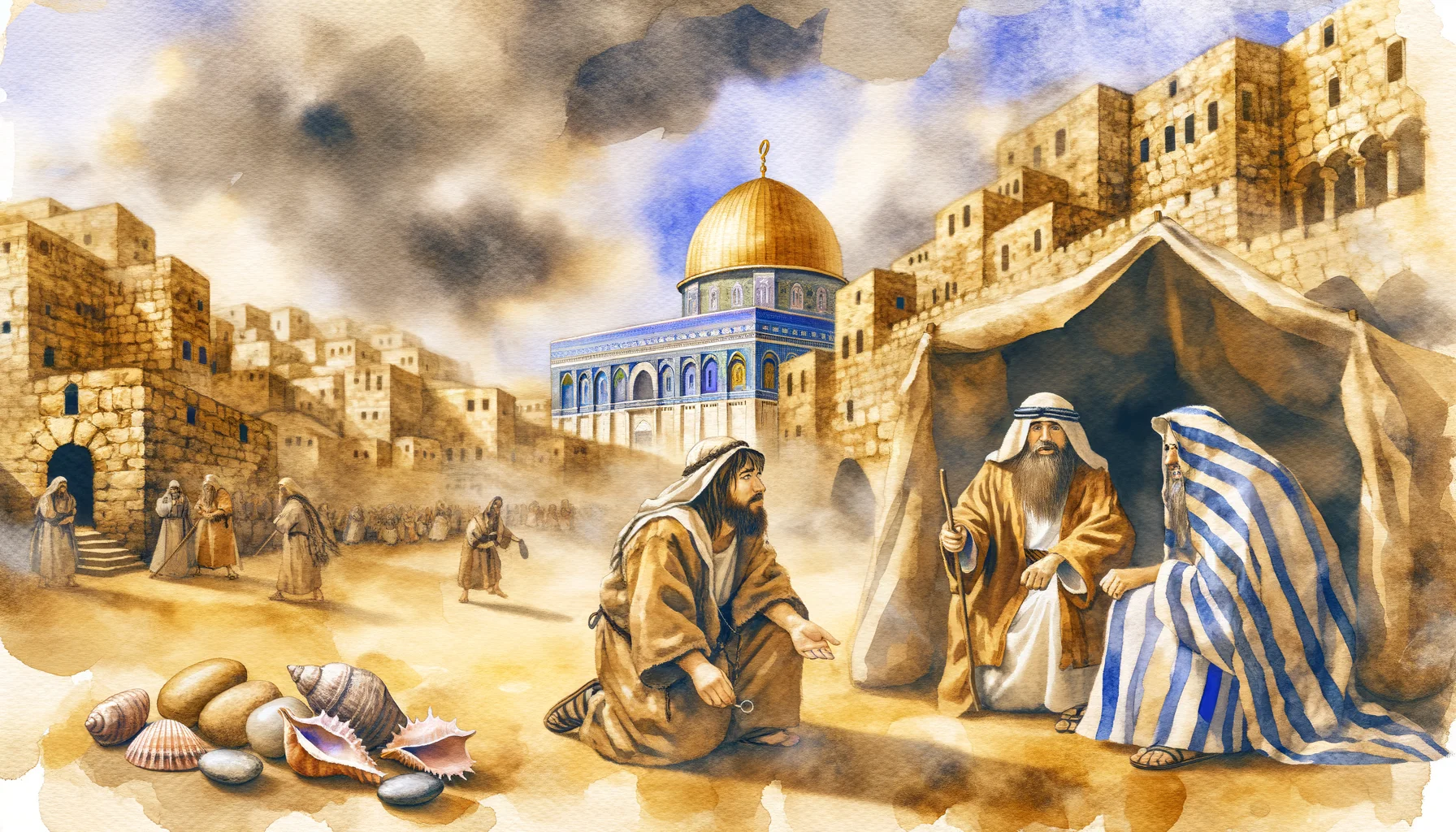
But bodies complicate things: embodying radical hospitality is not as simple as it sounds. In our physical world, we face limitations — financial constraints, time commitments, and the complexities of our own emotional lives. The early church navigated these challenges with grace, reminding us that it is through our physical experiences that theology comes to life. Imagine a bustling first-century Jerusalem, where early Christians gathered in homes, sharing meals, stories, and support. The aroma of freshly baked bread mingles with the sound of laughter and conversation, creating an atmosphere that reflects the love of Christ.
We must acknowledge the weight of what it means to invite others into our lives. In a contemporary context, think about your own home. How often do you feel the pull of exhaustion after a long day, only to be reminded of a friend in need? The call for radical hospitality may urge you to set aside your weariness and offer a listening ear or a warm meal. Picture the moment when you sit across from someone, fully present, as they share their struggles and joys. This physical embodiment of hospitality can heal wounds and build bridges.
Yet, it’s not just about physical location or resources. It’s about embodying an attitude of openness, even when it feels risky. The early Christians often risked persecution for their radical inclusivity. When someone from a different background or faith walked through their door, they had to confront their biases and fears. This is embodied theology in action — facing our discomfort and extending love anyway. Radical hospitality requires us to engage with our bodies, showing up even when it feels inconvenient.
Consider the health implications as well. If someone struggles with health issues, inviting them into your space might mean making accommodations that challenge your own comforts. How do you balance your health with the call to welcome others? This is where the beauty of radical hospitality shines through our limitations. It encourages creativity and intentionality, as we find unique ways to serve and connect with one another.
Truth in Relationship
In real life: relationships are where radical hospitality truly comes alive. This truth unfolds within the intricate dynamics of family, friendships, and community. Think of the early church’s gatherings, where relationships were formed through shared meals and collective worship. Within those walls, the bonds of kinship transcended bloodlines, creating a new family marked by love and support. In our modern context, we often struggle with the challenges of maintaining relationships amidst busy schedules and personal con
Continue Your Bible Study
Explore more lessons and deepen your understanding of scripture
View All Lessons Ask AI a Question