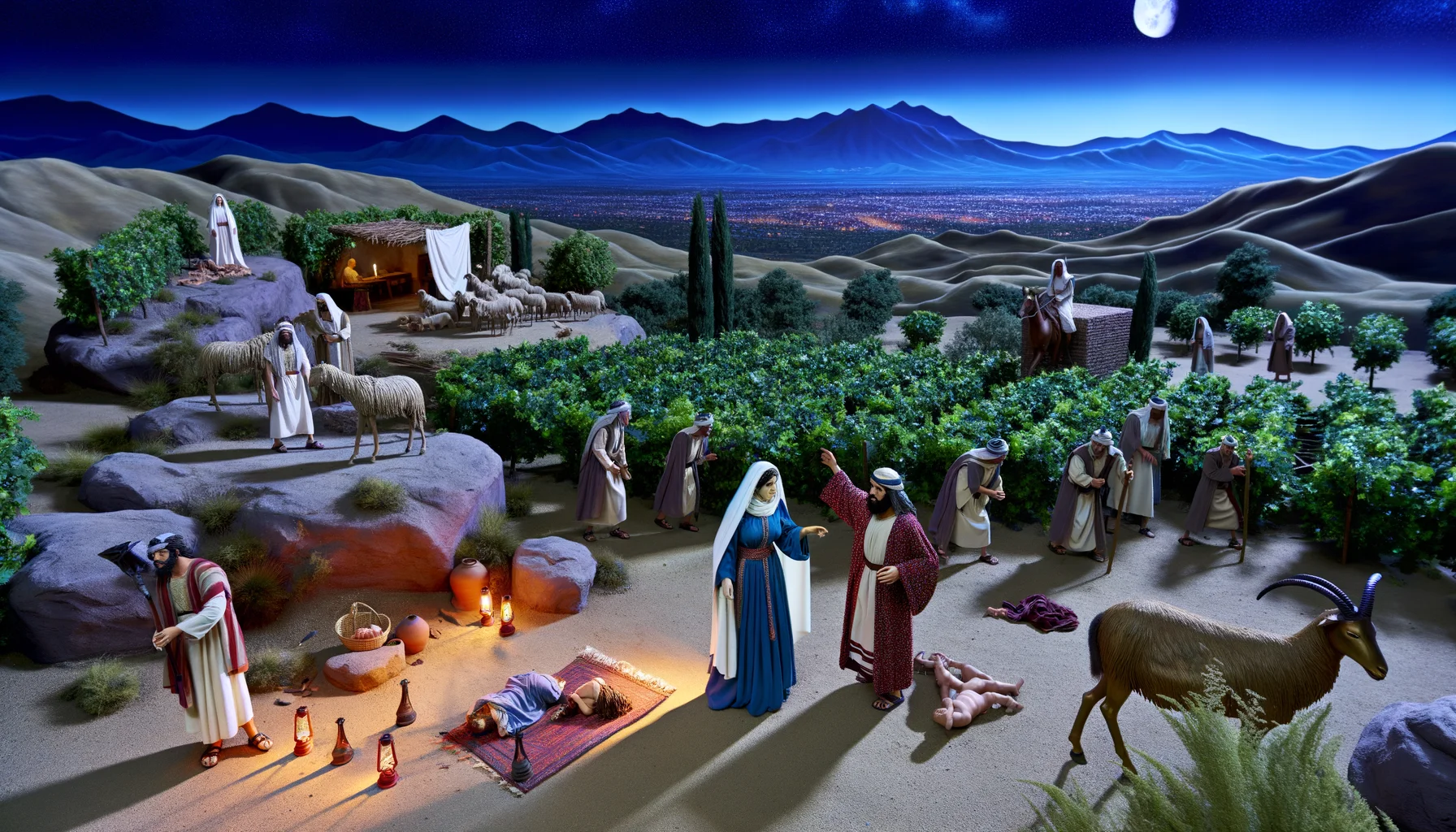
Deborah's Leadership and Courage in Challenging Times

Deborah's Leadership and Courage
From head to hands. Let's get real here: Leadership is a biblical concept that calls for both courage and practical action. In the book of Judges, we see a vibrant example of a woman named Deborah who embodies these qualities. The doctrine of leadership in Scripture isn’t just about authority; it's about responsibility and service. Deborah isn't just a judge; she’s a prophetess who leads Israel at a crucial time. The theological truth of her story teaches us that God raises leaders to fulfill His purposes, regardless of societal norms.
This is a significant doctrine. The Bible is filled with creedal statements reflecting God's intention for leadership. For example, Matthew 20:26-28 states, “Whoever wants to become great among you must be your servant, and whoever wants to be first must be your slave.” This verse underscores that leadership in the Kingdom of God is rooted in service. Deborah’s role as a servant leader illustrates that God can and does empower women in positions of authority to bring about His plans. In a culture that often overlooks female leadership, her story stands as a testament to God's inclusive call.
The biblical principle of courage is tightly woven into the fabric of Deborah’s story. In Judges 4, when she calls on Barak to lead the military charge against Sisera, she doesn’t hesitate. She embodies the truth that courage isn’t the absence of fear; it’s moving forward despite it. We often think of courage as a grand act, but Deborah’s courage was displayed in the simple yet powerful act of standing up for her people in a time of desperation. Her willingness to lead demonstrates that true courage comes from trusting God’s plan. This theological truth reinforces our understanding of who God uses to fulfill His mission.
So, when we talk about Deborah’s leadership and courage, we’re not just discussing abstract theology. We’re evaluating a real, lived experience that reflects God’s call on our lives today. She challenges us to step up and embrace our roles, wherever we find ourselves.
Truth in Flesh and Blood
But bodies complicate things: Leadership is one thing when we study it in a vacuum, but putting it into practice as a physical embodiment can feel overwhelming. Deborah faced tangible limitations—she was a woman in a male-dominated society, and yet she stepped into her role with confidence. This teaches us that our bodies, with all their limitations, can still be vessels for God's purpose. Many of us struggle with health issues, family responsibilities, or financial stress that can weigh us down and make us hesitant to lead.
Imagine Deborah, sitting under the palm tree, surrounded by her people. The sun filters through the leaves, casting dappled light on her face as she listens to the concerns of her community. Her leadership wasn’t about power; it was about being present and engaged. In our own lives, we might find ourselves at our kitchen tables, juggling work and family, feeling the tension of expectations. It’s easy to think of leadership as something lofty, but Deborah's example shows us that it can be as simple as being there for others.
When we embody God's truth in our physical lives, we acknowledge our limitations while also recognizing the strength He gives us. As a construction company owner, I face daily challenges—be it the stress of meeting deadlines or dealing with a team that needs guidance. But it's in these moments that I find my Deborah-like courage. Whether it’s making tough calls on a job site or mentoring a young worker, it's about embodying leadership in the dirt and grit of daily life.
Leadership is also about our health and well-being. When Deborah led, she didn’t do so in isolation. She was part of a community. Our physical practices—how we care for our bodies, what we eat, how we rest—can greatly impact our ability to lead. I know that when I’m burned out from projects or overwhelmed at home, it’s hard to lead with the courage and clarity that God calls me to. Deborah reminds us that we can lead effectively only when we’re physically and mentally strong.
Truth in Relationship
In real life: Deborah’s courage wasn’t just a solo act. It played out in the dynamic relationships she had with those around her. In Judges 4, we see her calling upon Barak to lead the army against Sisera. This wasn’t a simple command; it was a partnership. Deborah’s leadership involved rallying others and empowering them to act. Real relationships require vulnerability, trust, and collaboration. Deborah faced Barak's hesitance, and instead of pushing him away, she encouraged him to step into battle with her support.
This dynamic plays out in our families and communities. As a father of teenagers, I often find myself navigating the complexities of their developing independence. I want to be a leader in their lives, but that requires listening and in
Continue Your Bible Study
Explore more lessons and deepen your understanding of scripture
View All Lessons Ask AI a Question