Building Unity and Division with Technology and Babel

Technology and the Tower of Babel: A Modern Reflection
Let's get real here. Technology is a double-edged sword. It has the power to connect us, but it also has the potential to divide us in ways we might not even realize. Picture this: a father sitting at the dinner table, staring at his phone, while his teenagers are scrolling through their own devices, lost in a digital world. The family is together, but are they really connecting? This scenario isn’t just about being distracted. It’s a complex web of relationships, expectations, and the ever-looming pressure of technology to stay relevant.
Now, consider the workplace. You’re juggling deadlines, notifications are constantly pinging, and your team seems more connected online than in the break room. Decisions are harder than ever. You’re trying to encourage communication, but the technology that’s supposed to help is often causing more headaches. Real-life dilemmas like these can make us question the very tools we rely on. Are we building a solid foundation, or are we just stacking bricks without a plan? Technology might speed things up, but it can also lead us to a Tower of Babel situation where we’re all speaking different languages.
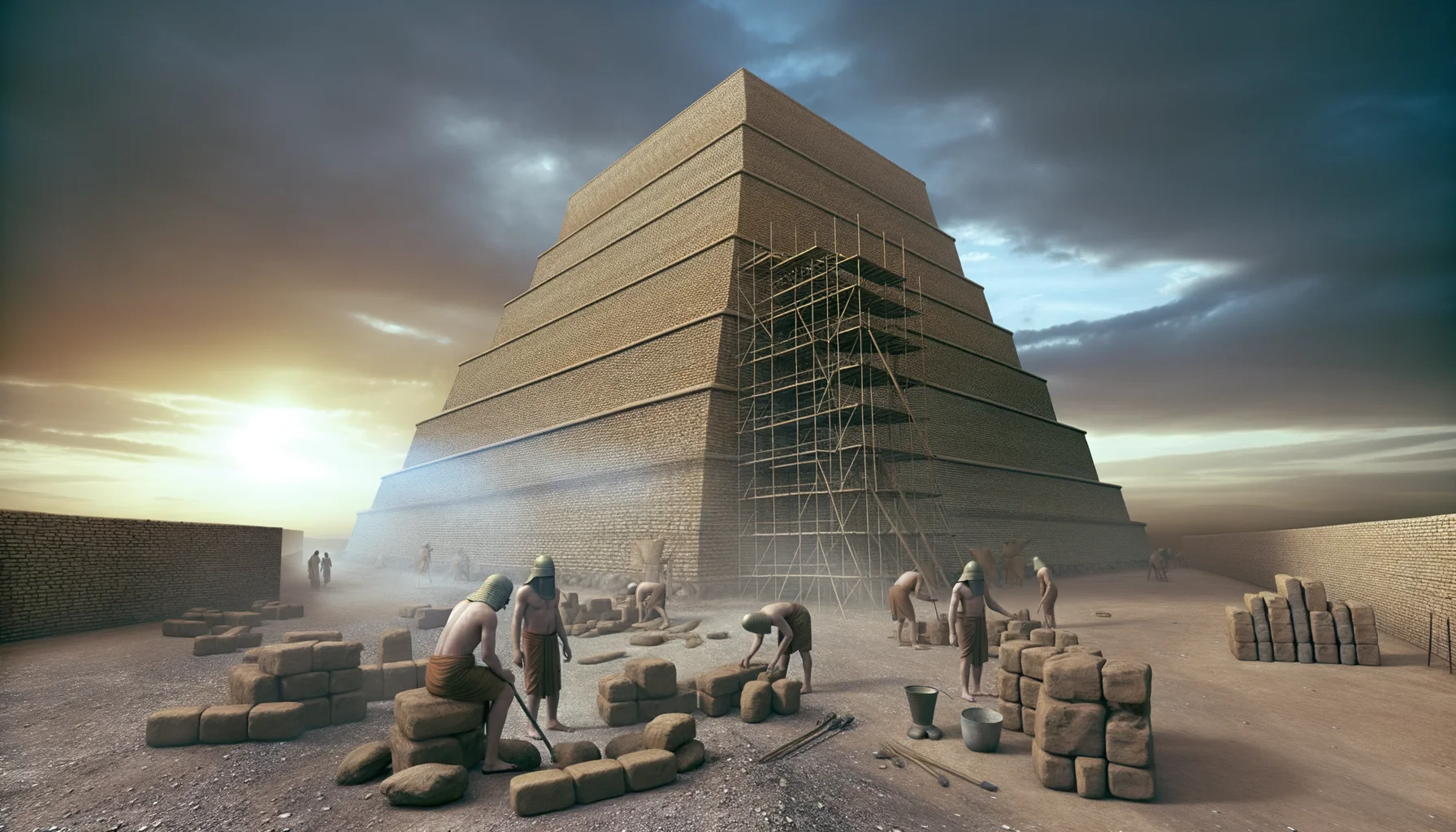
This complexity isn’t new. The Tower of Babel narrative in Genesis 11 shows us a society united by a single language and ambition, yet their desire to reach the heavens ended in chaos and confusion when God intervened. Today, we face a similar crossroads. Our advancements in technology can either enhance our lives and relationships or lead to division and misunderstanding. How do we navigate these waters? That’s the complexity we have to acknowledge.
The Crossroads Moment
In our modern lives, we stand at a crossroads that mirrors the dilemma faced by the builders of Babel. The ambition to achieve great things through technological advancements is ever-present. Yet, just like those ancient builders, we must consider: what happens when we prioritize progress over unity?
Take, for example, a contractor trying to manage a construction project with various stakeholders: clients, subcontractors, suppliers, and the city council. Each has its own set of priorities, and communication often breaks down. The contractor's phone buzzes with messages about schedule changes, payment disputes, and safety concerns, making it hard to focus. The technology meant to streamline the process can lead to confusion, much like the builders of Babel faced when their languages were confused.
Now, add a layer of personal challenge. Imagine a father who is also a business owner. He’s trying to balance work with being present for his teenagers. They’ve got their own ambitions, extracurricular activities, and social lives. When they do sit down for dinner, he finds himself checking emails instead of engaging with them. This reflects the struggle of many families today. The tools meant to enhance our lives sometimes pull us away from what matters most.
A third layer is the moral dilemma that unfolds in our reliance on technology. Consider a scenario where a young couple debates the impact of social media on their relationship. They see how easily misunderstandings can arise from a seemingly innocent post. Should they limit their online presence to protect their relationship? Just like the builders of Babel, they face the choice of whether to prioritize connection or ambition.
In these scenarios, the wisdom of God’s Word becomes essential. When the rubber meets the road, how do we take practical steps to build a foundation that honors God while navigating the complexities of modern life? The choices we make at this crossroads will influence not only our personal lives but also our broader communities.
Voices from the Cloud
Another voice speaks: Proverbs is rich with insights that can guide us through the confusion of modern technology and its impact on our lives. Proverbs 1:7 states, “The fear of the Lord is the beginning of knowledge; fools despise wisdom and instruction.” This verse reminds us that seeking God’s wisdom is the first step toward making wise decisions. In the age of instant information, we must discern what is truly beneficial for us and our families.
James gives us another angle with a straightforward admonition: “If any of you lacks wisdom, let him ask of God, who gives to all liberally and without reproach, and it will be given to him” (James 1:5). This is a practical approach; when facing tough decisions about technology’s role in our lives, we can—and should—ask God for guidance. It’s not about having all the answers; it’s about seeking the right questions.
Then, we have Jesus’ teachings. In Matthew 7:24-25, He speaks of building on a solid foundation. He says, “Therefore, everyone who hears these words of mine and puts them into practice is like a wise man who built his house on the rock.” As we consider our use of technol
Continue Your Bible Study
Explore more lessons and deepen your understanding of scripture
View All Lessons Ask AI a Question