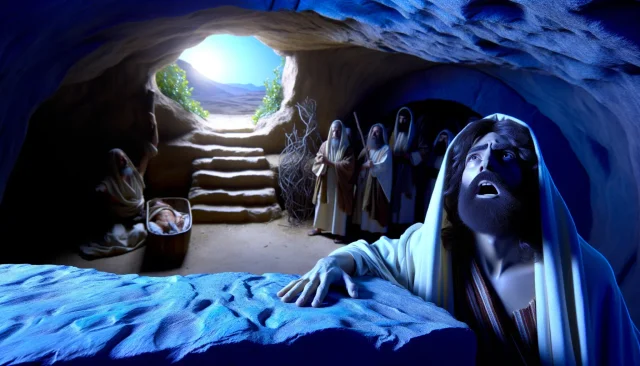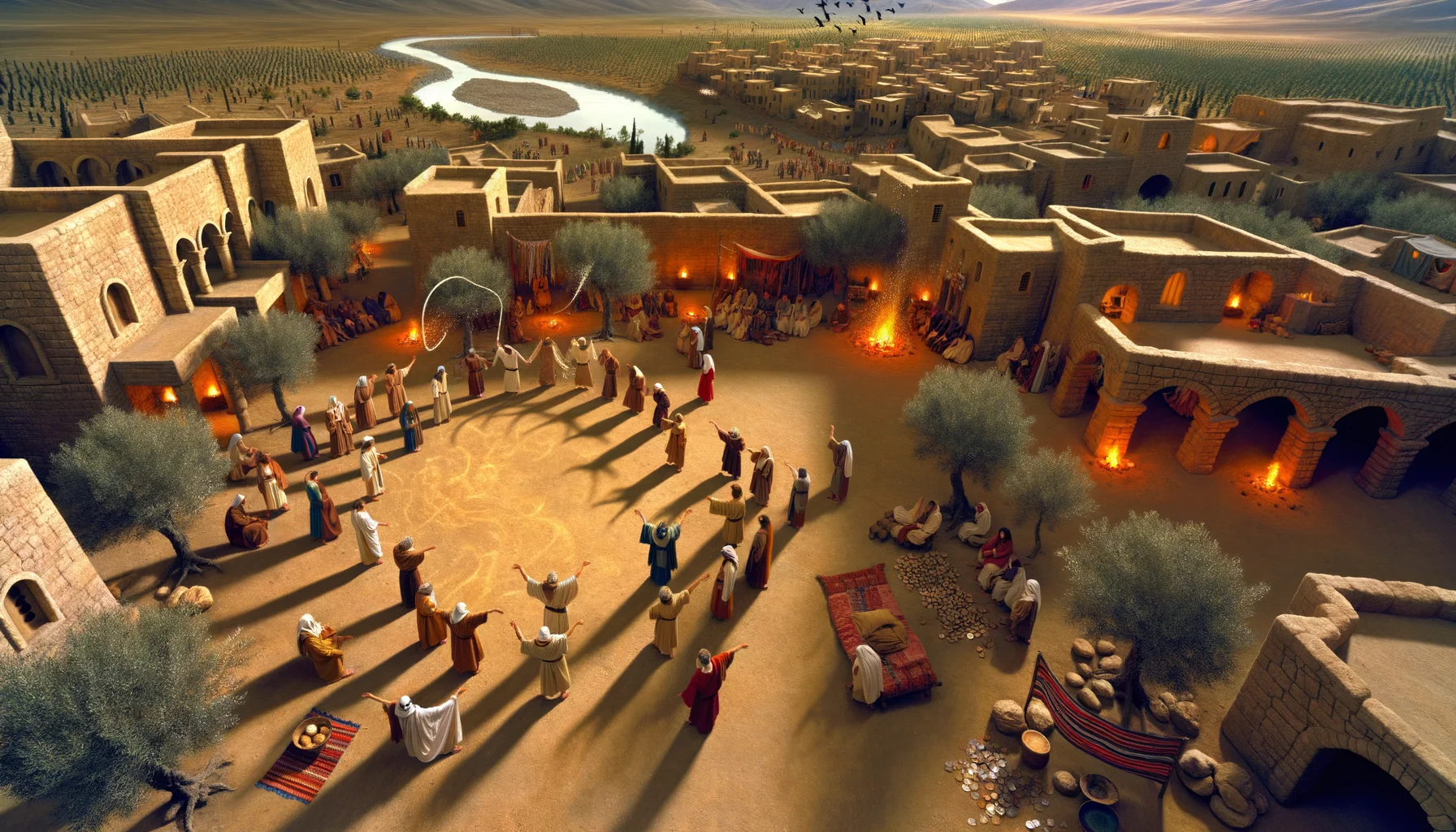
Athaliah's Reign of Fear and Her Fall from Power

Athaliah in the Bible: Embracing the Mystery of a Queen's Paradox
Present the paradox boldly: How can a woman, driven by ambition and betrayal, serve as a striking example of God’s intricate plan? Athaliah, a queen steeped in darkness, casts a long shadow over the kingdom of Judah, yet her story unveils truths about power, identity, and redemption. This tension is palpable, pulling us into a world where evil and divine purpose intertwine, leaving us grappling with the question: can God’s grace extend even to those who seem irredeemable? The beautiful contradiction of Athaliah’s reign challenges us to reflect on the complexities of our faith, where the darkest moments can give rise to the most profound revelations.
The Beautiful Contradiction
In the annals of the Bible, we encounter paradoxes that defy human logic. The last shall be first, losing life to save it, and finding strength in weakness serve as potent reminders of the divine economy. Athaliah’s story embodies this tension—her relentless pursuit of power ultimately led to destruction, yet through her chaos, God's sovereignty was revealed. How thrilling it is to consider that even amidst betrayal, God’s plan unfolds, weaving a thread of hope through the fabric of despair.
Imagine Athaliah, crowned in the lavishness of her palace, orchestrating the demise of her own kin to secure her rule. In stark contrast, we find stories of humility and surrender, where the meek inherit the earth and the poor in spirit are blessed. This tension between power and vulnerability leaves us unsettled, yet there is a beauty in the contradiction. God meets us in our breaking, seeking the hearts of those lost in darkness, just as He sought the heart of Athaliah amidst her reign of terror.
The juxtaposition of Athaliah’s character and actions challenges us to confront our own hearts. Are we not, at times, caught in cycles of ambition that overshadow our calling? Her story beckons us to a deeper reflection on the nature of power and the intricate dance between our choices and God's overarching desire for restoration and healing. Athaliah’s paradox reminds us that God’s grace is not limited by our actions; rather, it exists to transform even the most broken souls, inviting us to embrace the tension within our own lives.
Our Struggle with Mystery
But here's where it gets interesting: as humans, we resist the comfort of paradox. Our minds crave resolution, neatly tying up loose ends and providing clear paths forward. Yet, Athaliah’s narrative challenges this instinct. How do we reconcile the notion of a God who operates outside the constraints of our understanding? Take a moment to consider the last time you faced a situation that felt impossible to reconcile. Perhaps it was a family conflict, a job loss, or the heart-wrenching decision to let go of a loved one. We wrestle with questions that leave us feeling unmoored, yearning for clarity.
In the quiet moments of night, when the weight of our struggles bears down, we search for answers. We seek to comprehend why life unfolds as it does—the financial stress, the relational conflicts, the illness that leaves us feeling vulnerable. Just as I hold space for pain in the ER, I find myself wrestling with divine mysteries, feeling the tension of wanting to resolve what seems irreconcilable. Like Athaliah, we often forge paths driven by fear or ambition, only to find ourselves lost in the chaos.
Cultural narratives often romanticize resolution, teaching us to strive for clarity in the midst of confusion. Yet, our journey of faith invites us to lean into the mystery, to find solace in the acceptance of the unknown. What if the very act of wrestling with paradox is where God draws near? In my own life, I’ve felt the tug of competing desires—wanting to be in control while recognizing the beauty of surrender. Athaliah's story serves as a mirror, reflecting our struggles with identity, ambition, and the search for meaning.
Living the Paradox
Now watch this: the lives of biblical figures reveal how paradox breathes life into our faith. Consider Paul, who bore a thorn in his flesh—a reminder that weakness can coexist with divine strength. He writes in 2 Corinthians 12:9, “But he said to me, ‘My grace is sufficient for you, for my power is made perfect in weakness.’ Therefore I will boast all the more gladly about my weaknesses, so that Christ
Continue Your Bible Study
Explore more lessons and deepen your understanding of scripture
View All Lessons Ask AI a Question